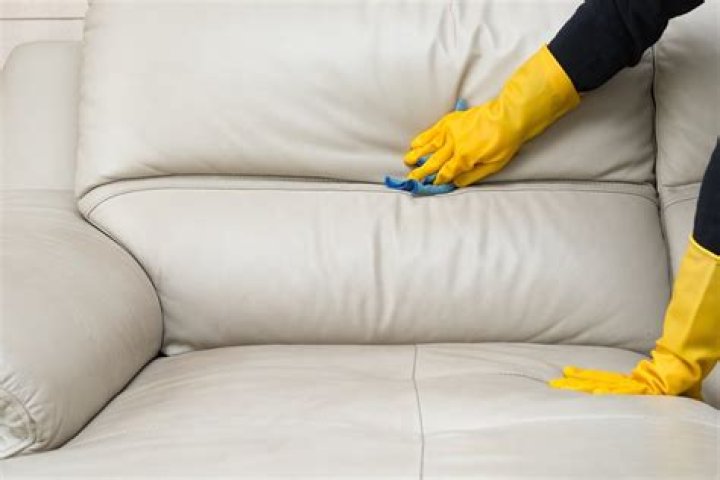
The consideration of how to clean leather comes up not that often in our house. Mostly when we got to get stains out of a leather bag or furniture, we are looking into this. That’s how we got first started on trying to find some homemade leather cleaner recipe instead of spending money on some commercial product.
When you have to clean leather, the main thing to avoid is drying out the leather material. If you are working with finished leather, you can generally use products and leather care solutions that you already have on hand.
Unfinished leather requires more attention, so be careful when working with leather that lacks the sheen of finished leather.
- How to Clean Leather
- How to Clean a Leather Bag or Purse
- Homemade Leather Cleaner and Conditioner
- Get Stains Out of Leather
- Removing Very Old Stains
- How to Get Ink Out or Pen Stains off of Leather
- Cleaning White Leather
How to Clean Leather
The first step in cleaning leather is to use olive oil, soap, and a towel. Try out the cleaning method on a small spot first to make sure that it does not change the color of the fabric. Afterward, use a damp towel with a little soap to clean the leather. Squeeze the towel of any excess water because it should only be damp. Wipe down the leather gently until the spots are removed.
Alternatively, you could use a conventional leather cleaner and leather conditioner . (Read our review of one of the best leather cleaners here .)
Once you cleaned the leather, rinse the towel before using it to wipe away any soap residue. The leather is not entirely water resistant, so you cannot clean the material like you usually would. Instead, use the clean, damp towel to remove the residue.
Next, use a dry towel to remove any of the excess water that remains. If you have specific oils for leather, you can use them to recondition the material. For an at-home option, olive oil can help to recondition the material and prevent it from drying out.
It’s important to realize that if you are cleaning a suede jacket, the treatment is not the same as cleaning leather. Suede is a specialty fabric that does not respond well to getting overly wet. A suede brush is the first line of defense to tackling dirt and stains.
How to Clean a Leather Bag or Purse
Leather purses or bags are prone to stains because they get a lot of use. Soap prevents the material from breathing, so a mild soap or facial soap is best.
Banish stains and scratches with these tried-and-tested cleaners and conditioners.
Between inevitable spills, stains, and pulls, fabric couches are truly a recipe for disaster. Leather couches, on the other hand, are fairly easy to care for — as long as you act fast. Of course, sometimes you won’t notice a spill, scratch, or tear quick enough. That’s where this guide on how to clean a leather couch from the Good Housekeeping Institute Cleaning Lab comes in handy.
While it’s best to keep your couch away from direct sunlight and sharp objects (ahem, your dog’s claws) on a daily basis to prevent extensive damage, these easy-to-follow instructions are helpful when you need to tackle tricky stains, scuffs, and anything else that has made your furniture lose its natural shine.
How to Clean a Leather Couch
You should regularly wipe down your couch with a microfiber cloth to get rid of crumbs or dirt, but follow this step-by-step guide on an as-needed basis—a.k.a. when you notice any glaring stains or scratches.
- One small area at a time, work a leather cleaner, like GH Seal star Weiman Leather Cleaner and Conditioner or Furniture Clinic Leather Care Kit, or mild soap into the leather with a soft, damp cloth.
- Rinse with another damp cloth until all soap or cleaner is removed. Buff with a dry cloth. Go over arms and headrests multiple times, if necessary.
- Apply a protectant to condition the leather, making it easier to remove future stains.
How to Remove Ink Stains
General rule of thumb: Try your best to not use markers or pens on the couch — and tell your kids to do the same. But when your couch eventually becomes the go-to spot for crossword puzzles or homework assignments, then arm yourself with this step-by-step.
- For finished leather (upholstery leather), lightly dab a cloth or cotton swab with rubbing alcohol and blot with a clean cloth. Once dry, treat with a leather conditioner.
- For unfinished leather, call a professional to handle the job.
How to Remove Grease Stains
Similar to ink, some grease stains are past the point of repair (sorry but true). If you regularly treat your leather couch with a protectant, you’ll up your chances of getting rid of any hard-to-remove grease stains. While there are no guarantees, give these methods a try:
- Use Furniture Clinic Leather DeGreaser on any areas that have been darkened from natural hair and hand oils.
- For food stains, blot the stain immediately and sprinkle the area with talcum powder, cornstarch, or flour to draw the oil out. Let it sit for several hours — overnight, if possible — until the powder looks saturated and wipe. If the stain remains, wash it out with Weiman Leather Cleaner and Conditioner or Furniture Clinic Leather Care Kit.
Leather whether genuine or faux leather is one of the easiest Upholstery types to keep clean, although you do need to perform some maintenance and conditioning, particularly on genuine leather.
Leather, in general, need to be cleaned, and then well conditioned to keep it soft, supple and in good shape for a long time.
Leather Upholstery Types
Unprotected Leather
Unprotected, or Aniline leather which is basically an unfinished form of leather has a very soft and luxurious velvety feel to it.
This is leather in one of its most raw forms, dyed with Aniline dye with no other surface pigment, and no added protective layer. You may see some natural grains and markings still visible on the leather.
This type of leather is extremely sensitive to staining, and damage by harsh chemicals and abrasive cleaning substances.
Some Unprotected leather types are injected with conditioning oils and wax to improve its appearance or is in the form of Nubuck leather which is buffed to create this effect.
Protected Leather
Protected leather is much more durable and stain resistant than an unprotected leather type, and you will see that it has a very uniform appearance and a stiffer feel to it. This type of leather is much easier to clean and can withstand wear and tear much easier.
What to Use on Your Leather Recliner
The best option is to purchase a leather cleaning agent that is specifically designed for your genuine leather type, or for Faux leather. As both these are different materials types they require different cleaning products.
The same will go for your conditioning products, which is your second step after cleaning your leather recliner, and an important step to keep it in good shape.
Other than that, these are some safe materials and tools to use on most forms of leather;
- A Vacuum cleaner with a brush attachment or smaller attachment.
- Tarp or drop cloth.
- Soft Microfiber cloths.
- Distilled or boiled and cooled off water.
- A mild PH neutral liquid soap such as dove or Neutrogena can be used, try to avoid detergents, or rather opt for a specialized commercial soap.
- A commercial conditioning agent, or flax, or coconut oil for genuine leather only.
Cleaning Protected and Unprotected Leather Types
Unprotected Leather
Protected Leather
Cleaning Steps
These Cleaning steps are specific to protected Leathers, which is usually the type of leather used for Recliners;
- Vacuum your entire recliner, making sure to get in between the crevices, if you can, using the brush attachment.
- Make sure to remove all large solid pieces stuck in the crevices by hand first.
- Use distilled or cooled down boiled water with a non-detergent soap or specialized commercial soap, and clean the entire recliner with a soft microfiber cloth.
- Use gentle wipes working from one area to the next.
- Now you can take a damp cloth and wipe off the excess soap and water.
- Dry your Recliner with a clean towel.
Conditioning Leather
Although I would highly urge you rather to use a proper commercial conditioner specific to the type of leather that your recliner is, there are some other household options. Most commercial conditioners come with a hefty price tag, and I understand that this can be an issue, but would still encourage using them rather. Other options you can try are Organic cold pressed flaxseed oil, beeswax and coconut oils.
It is very simple to oil or conditions your leather recliner, simply use a soft rag and rub the oil into all the areas of the recliner thoroughly, and use an extra coat of oil on dry areas. You may need to leave the recliner to soak in oils overnight.
As a rule, always AVOID oils such as olive oil, baby oil, mineral oils and Neatsfoot oil especially!
Cleaning and Maintenance Steps for Faux Leather
Most Faux leather types are made from either a Plastic or Vinyl material, which is not as sensitive to cleaning agents as genuine leathers although you should always avoid cleaning agents with abrasives and strong chemicals in them.
- Make sure to remove all large and solid bits in the crevices, and vacuum the entire Recliner thoroughly, particularly in folds and crevices.
- Use a mild soap with warm water, or a Vinyl cleaner and a soft brush to clean the entire recliner.
- Wipe away excess dirt and soap with a damp cloth.
- Dry the entire Recliner with a clean towel.
- You can use a PVC moisturizer or Vinyl protectant spray, which can be purchased from shoe and clothing stores that have faux leather items.
In Conclusion
Six monthly thoroughly cleaning and conditioning should suffice, with in between, weekly spot cleaning.
Use proper products and conditioning agents on your recliner, and it will stay soft supple, and last longer!
The Spruce / Danielle Holstein
- Total Time: 10 mins
The best way to clean leather furniture is to do it gently. The gentler your cleaning method the better. Leather is a very forgiving material, and just a small amount of regular care goes a long way.
Stains happen, and so does dust and dirt. However, using harsh cleansers on leather can leave stubborn stains that are hard to remove. This is especially true for aniline leather which can become stained easily as it does not have a protective layer on top.
How Often to Clean Leather
Clean any stains immediately so they do not have a chance to set. Older stains that have had time to dry and set may be harder to remove, and these gentler methods of cleaning may not work so well.
It is best to clean your leather furniture regularly to prevent dirt buildup. Save your furniture manufacturer’s instructions, and follow them for the care and cleaning of your leather furniture. Those instructions are targeted towards the specific type of leather that was used in your furniture.
If the instructions have gotten lost, just send for them. Ask your furniture retailer, or contact the manufacturer. It is very helpful to have them when there are difficult stains on your upholstery.
What You’ll Need
Equipment / Tools
- Microfiber cloth
Materials
- Mild soap
Instructions
When there are no instructions, the single best and simplest way to clean leather is with a very small amount of very mild soap, such as Dove or Ivory. Always remember to test first in an inconspicuous spot and allow to dry. This works on most stains as well as for general cleaning and upkeep.
Use a Microfiber Cloth First
Before you clean it with soap and water, go over it with a dry microfiber cloth. It will get most of the dirt.
Moisten Cloth Slightly
Once you are done with that, moisten a cloth very slightly; wipe it across a bar of mild soap. If you are using liquid soap, use a very slight amount. Now, clean the surface of your furniture with this damp cloth.
Do Not Rinse; Instead, Buff with a Dry Cloth
Never let the leather get overly wet, and remember to not rinse after cleaning with the soap. Simply buffing with a soft cloth is all you need. The moisture from the soap will condition the leather as it cleans. Polish if you need to, but just using this method by itself is enough.
Remove any Stains, if Applicable
When treating a stain, your best bet is to try a gentle method first. Most stains respond well to gentle treatment. A tougher stain may need a more heavy duty approach.
Use a clean, soft, absorbent cloth. Have several rags on hand as you will need some for wet wiping and some for drying it later. If the stain comes from a liquid, blot up as much as you can. Do not wipe it, as that can make the stain bigger and more difficult to manage. Dampen the cloth with water. Do not over wet the cloth, because doing that can leave water stains on your leather furniture. The cloth just needs to be damp. Sometimes spraying water onto the rag with a spray bottle is enough, otherwise, wring out the excess before using.
Apply a small amount of soap to the damp cloth and work it into a lather. Simply wiping it across a bar of soap may be all that is required. Apply a small amount of soap to the damp cloth and work it into a lather. Simply wiping it across a bar of soap may be all that is required. Using the cloth, work the cleaner into the leather very gently. Gentle circular motions work well. You do not need to rinse. Simply absorb any excess moisture with a clean, dry cloth.
Leather has come of age in the realm of dining chairs, and whether you are furnishing your own home or an up-market restaurant, leather is certainly a material to seriously consider. Not only do leather dining room chairs look stylish and attractive, they are also considerably easier to clean and care for than many other chairs used for the same function. And they last longer than those upholstered with fabric.
So let’s assume you have decided to go the leather route, here are some really useful tips that will teach you how to protect, condition, clean and care for leather dining room chairs with minimum effort.
Top Tips to Help you Keep your Leather Dining Chairs Top Class
- Maintenance is key. If you keep your chairs spotlessly clean, they will always look good and be sure to last longer. Dust and vacuum them regularly and don’t allow any sort of muck and dirt to accumulate in crevices and corners. Over time any sort of dirt will wear away at, and ultimately damage the leather.
- Regularly condition your leather dining chairs to prevent the leather from cracking, but be sure that the treatment you use is suitable for the type and color leather used for your chairs.
- When somebody spills something on your leather chairs (and it will happen), clean it immediately, but avoid flushing it with water because this encourages cracking. If you act fast, a damp cloth or sponge should do the trick. Staining may call for some professional assistance.
- Even if your gorgeous leather dining room chairs haven’t been the victim of spillages, be sure to clean them regularly. Saddle soap, which is manufactured specifically for cleaning leather saddles, is particularly good product to use. It is simple to use, and cleans and conditions at the same time. It is also remarkably inexpensive.
- If you are flummoxed about dirt and stains, don’t fiddle and experiment; rather take your chair to a professional. It might cost you more to sort out initially, but you will save your investment long term.
Some Cool Conditioning Tricks for Your Leather Chairs
Many people who buy leather furniture for the first time are overly concerned about the possibility that the leather will crack over time. Well of course it can, but wood can also crack, and materials like vinyl (which is basically fake leather), and other less hardy upholstery fabrics, all tear reasonably easily. Even if they don’t tear, they don’t wear particularly well when compared to good quality leather, and most are considerably more difficult to clean than leather when food, wine and other substances are spilled on them.
The really brilliant thing about leather is that you can take steps to condition it and make it more hardwearing over time. Often this process will also improve the look of the leather, though you must be careful not to inadvertently change its color, which is what would happen if you were to apply something like castor oil to a light-colored leather surface.
The good news is that there are loads of quality leather-conditioning products on the market. Just be sure to check out the product you are interested in, and be aware of what it promises.
When it comes to doing the cleaning or maintenance work, first and foremost you need to be sure that your leather is totally clean before you try and condition it. You should also be aware of the fact that as it gets older, leather WILL become more susceptible to various types of damage, including UV exposure, oil and ordinary old dirt and dust.
Also, before you decide which specific products to use to condition your leather, check what these are made from. Lots of products leave a residue on the surface of leather, so it is often best to choose a water-based product that has a balanced pH. This will be a lot easier to clean later on down the line, if it becomes necessary.
Conditioning Products and Recipes
Anybody who has owned leather furniture for any length of time will be able to give you really good advice on how to clean and care for your leather dining room chairs. But you need to be sure for yourself, and you need to try products and recipes.
A traditional way to care for any leather is to use dubbin, which is a product that has been produced for centuries. A number of companies produce dubbin, and all you do is to apply it to the leather and run it in so that it penetrates the material. Then you basically wait until it dries… and then you polish. But dubbin, as opposed to ordinary polish, penetrates the leather and feeds it. So remember this benefit when deciding which conditioning product to choose.
At the other end of the scale, one of the cheapest, most effective conditioning materials that you can use for leather of all colors is good-old petroleum jelly. You can see that it is colorless, which is why it doesn’t affect the intensity of the original hue. All you have to do is apply the jelly all over and then wipe it off and polish firmly – providing of course the leather is already clean. If it’s a bit grubby, the dust and dirt could affect the color finish; so clean thoroughly first. It can cause a build-up tough, and it won’t feed the leather.
You could also treat the leather with a linseed oil and vinegar mix which will feed the leather which petroleum jelly (or Vaseline) can’t do. A really simple recipe that you could use to clean and condition your leather dining room chairs involves mixing about two fluid ounces of warm water with about a tablespoon and a bit of vinegar and a splash of household ammonia. Apply this all over the leather upholstery and then let it dry a bit. Then take a rag with some castor oil on it and apply the oil over your homemade mix. Leave for a while and then rub off and polish. It’s cheap, easy and remarkably effective.
At the end of the day, if you buy a good quality dining room chair that is made from leather, provided you keep it clean and care for it over time, you will have an investment. If you don’t bother to care for it, you are going to risk wasting your money, although leather will survive the tests of time, even without much human help!
A handsome leather couch is luxurious—and if you want to make sure it stays that way, you have to know how to clean leather. Wear and tear, of course, is inevitable—we’d never tell you to stop with the Netflix binges—but as long as you clean and care for leather properly, the material will only improve with age. You know, like a fine wine.
“The best way to think of leather is that it is like your skin. Good-quality aniline leather is a natural, breathable material; it changes over time,” says furniture designer Timothy Oulton. And just like skin, leather requires regular care to look its best. Leather couches and all other leather furniture need to be dusted with a dry cloth and receive a monthly application of a leather cream to keep the material soft and moisturized—and, actually, leather cream is also what you use to clean up any dirt or stains that crop up.
We asked Oulton and Christophe Pourny, a New York–based restoration expert and the author of The Furniture Bible, to share their top tips on how to clean leather sofas and other furniture, plus the secrets to bringing those seen-better-days pieces back to life.
1. Gather Your Materials
These are the cleaning supplies you’ll need to tidy up your leather surfaces:
- Saddle soap
- Water
- Leather cream
- Soft cloth
- Rubbing alcohol
- Cotton swab
2. Start With Soap and Water
To tackle mild stains, dip a clean, damp washcloth in warm soapy water and use it to wipe away the stain on your leather. “Specific leather soaps exist, usually called saddle soaps,” says Pourny. Darker stains, like those from an ink pen, are another story. According to Pourny, “a cotton swab dipped in rubbing alcohol can do the trick.” Just be careful to apply it directly on the stain spot, so the alcohol doesn’t spread the stain onto more of the leather.
3. Dry the Leather Thoroughly
“Be sure to carefully dry the leather with another clean, dry cloth to avoid any mildew,” Pourny notes. For best results, leave the spot alone overnight.
4. Apply Leather Cream
Re-moisturize the material by applying the leather cream with a clean cloth. Let it sink in, then buff to a shine if you’d like.
Tips on How to Care for Leather
Now that you know how to clean leather like a pro, here are a few more tips on how to care for leather furniture so that it lasts a lifetime.
Aniline-dyed leather furniture, where the dye penetrates the entire material, is not only durable but is actually meant to look lived-in, says Oulton. “Rather than covering and sealing the surface with a colored coating, we work dyes and waxes into the leather by hand. As a result, we feel like the furniture wears in and not out. It’s very easy to live with, and it develops a rich patina over time.”
“In most cases, it is ambient conditions that will lead to the cracking of leather—extreme temperatures and lack of moisture,” says Oulton. “Placing a sofa right under your air-conditioning or next to a radiator or in front of a roaring fire is going to dry out the leather.” Sunlight can also have this effect, says Pourney, so avoid putting furniture right next to a window or glass door, or hang light-blocking curtains.
Cats, and sometimes dogs, will use leather as a (very expensive) scratching post, so teach them to stay off the sofa. “I think this is the biggest cause of damage we hear of from customers calling the studio,” says Pourny.
To treat specific distressed areas, find a treatment made for your type of leather. Pourny sells an Old World–inspired leather serum and cream, which can be applied with a cloth to soften the leather and smooth scratches, while Oulton recommends Leather Masters. Regardless, use a light hand. “Less is more when applying any product to leather. Test a small area first,” says Pourny. “For colored leather, be extra careful and know in advance that any product will most likely darken the leather.”
Don’t run the risk of damaging the leather further by trying to fix it—cleaning leather is a DIY job, but repairing it is not. “For large cuts, we recommend contacting a professional who can mix color and texture by applying heat, and make repairs to the leather,” says Pourny.
If that doesn’t work, go to a respected shoe repair shop or leather care expert for help. “Even if it’s a bit controversial, avoid bringing your garment to your local cleaner, even if they advertise suede and leather care,” says Pourny. “I do not know anybody that had great luck with them, and the damage will be irreversible.”
Leather is a surprisingly durable, easy-care upholstery material, but it does require occasional cleaning and triage. If your leather furniture is looking tired, follow our suggestions for perking it right up.
With its rich color and supple feel, leather furniture invites an element of luxury into your room decor. Fortunately, despite its opulence, leather doesn’t require the kind of painstaking maintenance you might associate with other refinements. Inevitably, however, there comes a time in the life of all leather chairs, chaises, or sofas when a little care is called for. Rest assured that it’s not difficult to learn how to clean leather furniture, and the process involves only supplies that most homeowners keep readily at hand.
STEP 1: Vacuum thoroughly
When you set out to clean leather furniture, the first step is to remove all dust and loose debris from the piece. You can do so easily by means of a vacuum cleaner outfitted with a brush attachment. Don’t forget to clean between the cushions of the furniture, if there are any. Once finished, wipe the whole thing down with a cotton or microfiber cloth.
STEP 2: Inspect the furniture
Having inspected the furniture in the course of dusting and wiping it down, you now understand which parts of the piece look the worse for wear. These are the areas on which you’re going to focus the lion’s share of your cleaning efforts.
STEP 3: Apply diluted vinegar
To address the problem areas, you can use a simple but effective homemade cleaner, comprising equal parts vinegar and water. Mix the two in a small bucket, then dip in the corner of a cloth. Wring out the cloth so that it’s damp but not wet, then proceed to wipe down the soiled parts of the leather. Rinse the cloth after every few strokes to avoid spreading any dirt.
STEP 4: Wipe down the leather
Next, follow up with a dry cloth, making sure to go over every area that you treated with the water-and-vinegar solution. At no point during the process should you let the leather become soaking wet; saturation is one of the material’s enemies.
DOS AND DON’TS
Has a careless guest spilled something, and you’re wondering how to clean leather furniture to banish the stain? Don’t despair—you can probably prevent the accident from leaving a permanent stain, but to be successful, you’ll need to work quickly. Different stains demand different remedies:
- Wipe away grease stains with a clean, dry cloth. Do not add water, because the fluid could help the grease soak into the leather. If the grease has dried by the time you notice it, try sprinkling baking soda onto the area in order to draw out the grease. Leave the baking soda on for a few hours, then brush it off with a rag.
- If there are ink stains on your leather furniture, rubbing alcohol may be the key to removing them. Dab alcohol onto a cotton swab, then wipe the stain until it clears. Keep in mind for the future that many homeowners have reported luck using rubbing alcohol to remove pesky patches of either mold or mildew on furniture.
- White and beige leather are notoriously vulnerable to stains. To remove dark-colored spots from such pieces, opt for a mixture of equal parts lemon juice and cream of tartar. Combine the two into a paste, apply it to the stain, then leave it in place for 10 minutes. Wipe it away with a damp cloth.
Generally speaking, be wary of experimenting with stain removal products on leather; some may do more harm than good. Always first try a cleaning agent on an inconspicuous part of the furniture. That way, if things go awry, nobody is likely to notice!
If none of the above tips or tricks prove helpful, consider seeking the assistance of a pro.
The consideration of how to clean leather comes up not that often in our house. Mostly when we got to get stains out of a leather bag or furniture, we are looking into this. That’s how we got first started on trying to find some homemade leather cleaner recipe instead of spending money on some commercial product.
When you have to clean leather, the main thing to avoid is drying out the leather material. If you are working with finished leather, you can generally use products and leather care solutions that you already have on hand.
Unfinished leather requires more attention, so be careful when working with leather that lacks the sheen of finished leather.
- How to Clean Leather
- How to Clean a Leather Bag or Purse
- Homemade Leather Cleaner and Conditioner
- Get Stains Out of Leather
- Removing Very Old Stains
- How to Get Ink Out or Pen Stains off of Leather
- Cleaning White Leather
How to Clean Leather
The first step in cleaning leather is to use olive oil, soap, and a towel. Try out the cleaning method on a small spot first to make sure that it does not change the color of the fabric. Afterward, use a damp towel with a little soap to clean the leather. Squeeze the towel of any excess water because it should only be damp. Wipe down the leather gently until the spots are removed.
Alternatively, you could use a conventional leather cleaner and leather conditioner . (Read our review of one of the best leather cleaners here .)
Once you cleaned the leather, rinse the towel before using it to wipe away any soap residue. The leather is not entirely water resistant, so you cannot clean the material like you usually would. Instead, use the clean, damp towel to remove the residue.
Next, use a dry towel to remove any of the excess water that remains. If you have specific oils for leather, you can use them to recondition the material. For an at-home option, olive oil can help to recondition the material and prevent it from drying out.
It’s important to realize that if you are cleaning a suede jacket, the treatment is not the same as cleaning leather. Suede is a specialty fabric that does not respond well to getting overly wet. A suede brush is the first line of defense to tackling dirt and stains.
How to Clean a Leather Bag or Purse
Leather purses or bags are prone to stains because they get a lot of use. Soap prevents the material from breathing, so a mild soap or facial soap is best.
Related Articles
- Weight of a Typical Sectional Sofa
- How to Remove PVC Solvent From Vinyl Floors
- How to Get Rid of Sour Smells in a Couch
- The Best Way to Clean Microsuede Furniture
- How to Deodorize a Sofa
Faux-leather couches can provide the look of expensive leather for a fraction of the cost, but they do require different care than true leather. The upholstery material is sometimes called pleather, which means plastic leather and can refer to a variety of different man-made fabrics. Most pleather does contain some plastic materials, such as polyvinyl chloride, or vinyl. Chemical cleaners can damage pleather or make it stiff, so it’s vital to care properly for the couch upholstery to keep it looking and feeling its best.
Vacuum the couch weekly or as needed with the brush attachment on your vacuum cleaner. Vacuum inside any cracks or crevices to remove all dirt particles, removing the cushions if possible to vacuum beneath them. Abrasive dirt particles can scratch pleather, but regular vacuuming prevents abrasion.
Combine a mild household detergent or liquid dish soap with warm water. Use about 2 tablespoons of detergent per gallon of water.
Wipe the pleather down with a clean rag dampened with the detergent solution as needed to remove surface residue and dirt. Avoid chemical cleaners or those that contain bleach, because this can discolor the pleather or remove the surface plasticizer coating, resulting in stiffness.
Rinse the rag in clear water and wring it out. Wipe down the pleather a second time to remove the detergent residue. Wipe up the excess moisture with a dry cloth.
Dip a cotton ball in a vinyl stain remover or rubbing alcohol to remove stains. Dab the stain with the remover until it’s gone, then immediately flush the area with clear water to prevent permanent damage to the pleather. Only use stain-remover solvents when regular cleaning methods don’t work, because solvents can easily damage the upholstery.
Things You Will Need
Vacuum with brush attachment
Vinyl stain remover or rubbing alcohol
Upholstery pleather sometimes comes treated with a stain preventer. You can also purchase protective-finish sprays that you apply yourself if the upholstery isn’t pretreated.
Warning
The materials used to make pleather can vary. Refer to the upholstery care tag, usually located on the bottom of the couch, to verify proper cleaning and care methods for your specific piece.
How to Clean a Leather Sofa
(How to Disinfect Leather Sofas)
Follow these steps for general spills and messes.
- Make a cleaning solution by mixing equal parts water and vinegar in a bowl.
- Remove dust, dirt and loose particles from the surface of the leather sofa with a vacuum cleaner.
- In case of separation, mix the solution a few times more, and dip a soft cloth into the solution.
- Wring out the cloth so that it is damp (and not soaking), and begin wiping the dirty areas of the leather.
- Once you have wiped down the problem spots, wipe any damp areas with a dry cloth.
How to Remove Ink Stains from a Leather Sofa
(Ink) accidents happen. Get to them quickly – and follow these steps to help reduce their effects.
- Apply rubbing alcohol to a cotton ball.
- Gently dab (don’t rub) the ink stain with the cotton ball until it begins to lift. Apply more rubbing alcohol to a fresh cotton ball and repeat.
- Pat the area dry with a soft cloth.
How to Remove Grease Stains from a Leather Sofa
More than you probably realize, grease stains happen – because, more than you probably realize, it’s in most of the food you eat! Here’s how to zap them when they just won’t budge.
- Sprinkle a pinch of baking soda over the stain.
- Let the baking soda sit for a couple hours or until the oil is absorbed.
- Wipe away the remains with a soft cloth.
- Wring out the cloth so that it is damp (and not soaking), and begin wiping the dirty areas of the leather.
How to Condition a Leather Sofa
Cleaning is only half the process. Keep your piece feeling and looking new with some deep conditioning.
- In a bowl, mix equal parts vinegar and a natural oil – lemon oil or flaxseed oil tend to work the best.
- Dip a soft cloth into the solution. Wring it out (so that it is damp and not soaking), and begin gently wiping down the surface of the sofa.
- The next day, wipe down the sofa with a fresh, dry cloth.
Tips for Preventing Stains
- When a stain occurs, get to it immediately. This will increase your chances of getting it out.
- Clean regularly. Ironically, in order to avoid the hassle that comes with cleaning stains, the best thing to do is to keep cleaning regularly! This is because most of the “stains” you see on leather are actually the setting-in of dirt over a long period of time. Taking a few seconds to wipe down your leather couch with a soft cloth once a week will help to prevent tough buildup.
- Condition after cleaning. Cleaning with a water-based cleaner can lead to drying of natural oils found in the leather, which in turn can lead to cracking and even destroy the leather’s soft sheen. The solution? Conditioning after cleaning. Whether it’s coconut, lemon or other, a mild oil will help to replenish any lost softness.
- Remember to limit the water usage. If you want to stick to a cleaning solution that’s all-organic, you can easily make one at home by mixing equal parts natural ingredients and water. Once you’ve created the solution, it can be easy to get excited about all the good you’re doing (i.e., avoiding harsh chemicals!), and even easier to overdo it by applying too much solution. Remember that as great, all-natural, all-organic water is, it still shouldn’t be considered a “friend” to your sofa. Limit the amount of solution you use to treat stains, or else risk unsightly water damage!
- Finally and most importantly, always check the cleaning codes on your leather piece, or look for a care manual you may have received with it at the time of purchase. If you do not have access to a manual or are not sure about how to properly clean a particular type of leather, you can always call the manufacturer, who will be able to provide recommendations for safe cleaning products.
What about Scratches?
Leather is one of the most luxe materials for a sofa. It’s buttery-soft feel makes it timeless and inviting. Like any natural material, though, it can also be easily susceptible to scratches – especially if you live with pets. Follow these measures to help extend the life of your favorite leather sofa.
- Clean the scratch. Use a mild cleaning solution (any of the ones outlined in the steps above will work) to thoroughly clean the scratch.
- Apply a mild oil like baby oil to a cotton ball. Rub the scratch using circular movements.
- Wipe off the oil, after letting it air dry.
It’s easier than you think.
Leather lasts forever with the right amount of care and upkeep, so why not get the most bang for your buck and learn how to clean a leather couch to keep it looking shiny and brand new. To learn the proper technique, we reached out to John Mahdessian, president of world-renowned dry-cleaning service Madame Paulette, who walked us through the leather cleaning process. Leather maintenance tip number one? “Keep it away from the sun,” Mahdessian says, so it won’t fade. “Use home furniture polish on leather once a month to give it a nice finish,” he adds.
Once your leather is refreshed and renewed, it will last for years with regular maintenance. So how often do you need to clean a leather couch? Mahdessian recommends cleaning light-colored leather every six months and dark-colored leather once a year. Once you’ve learned the steps below, cleaning your leather couch will become a painless part of your regular cleaning routine.
What You’ll Need:
- Leather conditioner/cleaner (such as Chamberlain’s Leather Milk, $17, amazon.com)
- Mild dish soap
- Microfiber cloths
- Baking soda
Follow These Steps:
- Start by vacuuming the leather couch to get rid of any crumbs. Then dust it, if necessary, to remove any lingering dirt. Luckily, a leather couch isn’t as porous as an upholstered sofa, so it’s easier to clean. If your couch cushions can be removed, don’t forget to vacuum the undersides. Recliners tend to collect dirt in the crevice where the bottom reclines.
- Time to tackle the stains: dip a clean cloth in a bowl of warm water mixed with dish soap, then wring it out so it’s damp (not wet!). Dab or rub in small circles around the stain until it’s buffed out. Don’t rub back and forth, as it causes more wear and tear and harms the leather’s surface. If it’s a grease stain, use a dry cloth and a little bit of baking soda to absorb it.
- Dry the sofa—don’t skip this step! Water tends to weaken leather if left to dry on its own, so it’s important to get a dry rag and dry the couch from top to bottom.
- Now it’s time to get down to business and use cleaners. Leather cleaners can help break down the dirt and stains to make your leather couch look like new. Some products are 2-in-1 and contain both the cleaner and conditioner. Spray the cleaner onto a cloth, rather than directly onto the furniture, to prevent it from leaving spray marks. Swipe lightly all around, making sure to clean the edges, nooks, and crannies. Work from top to bottom to avoid any uneven polish marks.
- After you’ve cleaned, make sure to wipe away any excess cleaner before conditioning the couch. Grab your favorite conditioner, either in spray or bottle form, and apply a small amount onto a clean cloth. Conditioners are great because they contain healthy oils to make your furniture look fresh, smell phenomenal, and stay moisturized.
- Once you’ve finished buffing in the conditioner, allow the leather to dry for an hour or so to let the product seep in and avoid getting the oil on your clothing. Once dry, voila!—your leather couch will look like you just got it from the store.
Note: Avoid applying harsh chemicals, like alcohol or leather shoe polish, which aren’t intended for leather couches and can actually harm your furniture.