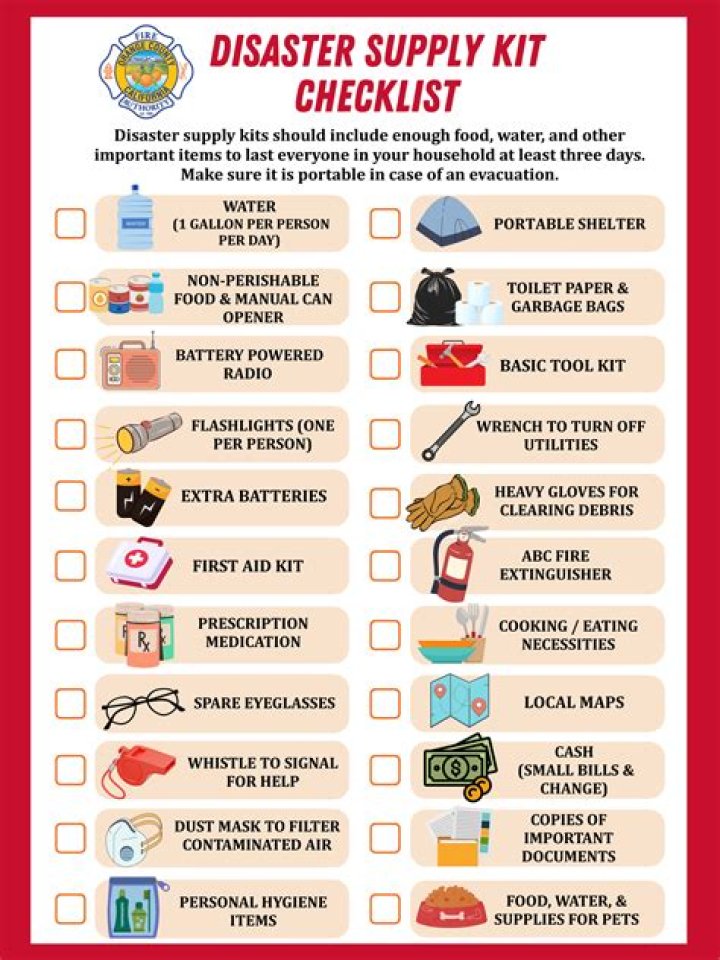
The devastation and destruction hurricanes can wreak is undoubtedly heartbreaking. For people in Florida, Texas, Louisiana and more, hurricanes are all too familiar, ruthless and entirely unpredictable. That is why it is so important to have a disaster preparedness plan ready during the months of June through November.
If you’re a pet parent, your plan needs to account for your pets as well. Remember that your pets rely on you to get them ready for the next big storm. Follow these pet safety tips on how to prepare your pets for the hurricane.
Have an Evacuation Plan
• We all create a disaster preparedness plan in case of an evacuation. Pet parents must make sure that pets are allowed wherever they are headed. Many motels, hotels and shelters do not allow for pets. Be prepared and make sure your evacuation plan includes your pets.
• If your evacuation location does not allow for pets, choose designated caregivers who can care for your pets. Keep a list of friends, relatives, boarding facilities, animal shelters and veterinarians who you know can care for your animals in an emergency. Be prepared with a list of phone numbers.
• Many times in emergencies, we need to separate pets. Be prepared to designate more than one place for your pets to go.
• Include your pets in evacuation drills so that they become accustomed to traveling in their carriers comfortably.
Have Emergency Supplies and Travel Kits Ready
• Have leashes, dog harnesses and/or carriers ready to transport pets safely and ensure that they cannot escape.
• Make sure to have enough supply of food, drinking water, bowls and cat litter. Don’t forget a can opener if your pet eats canned food.
• Remember all medications and keep copies of medical records stored in a waterproof container.
• Make a hurricane first aid kit that includes the following:
• Identification (current color photo of your pet, ID tag that includes the owner’s name, current address, contact phone number).
• Keep medical records and information of any medical conditions, or behavioral problems handy.
• Keep information on feeding schedules, and the name and number of your veterinarian in case you have to foster or board your pets.
• Always keep a list of veterinarians and 24-hour emergency animal hospitals that are close to your destination if you need to evacuate.
• Make sure to include pet beds and toys, or something that provides your pet with comfort during what can be a difficult time.
Pet Safety Tips for Traveling
• Make sure that your pet’s vaccinations are current and that they are wearing collars with up-to-date identification (many pet shelters require proof of current vaccinations).
• Stock up on any medications your pet requires, along with a copy of their medical records.
• Many pets get lost or displaced during natural disasters. Make sure your pet is microchipped and that their microchip is registered and current.
• If your pet exhibits anxiety and stress during storms or travel, have your veterinarian prescribe a sedative if needed. Always consult with your veterinarian before giving your pet any medications.
Display a Rescue Sticker in Your Front Window
• The ASPCA recommends this sticker be displayed so that people know there are pets inside your home. You can order it from the ASPCA website.
• Make sure your sticker is visible and includes the number of and type of pets in your household.
With all the nervousness and busy preparations for hurricanes, please make sure to keep these cat and dog safety tips in mind when you create your hurricane preparedness plan. They rely on us to ensure their safety and well-being. Stay safe!
Oregon Humane Society encourages pet owners to keep their pets in mind when preparing for disaster or an emergency. Having a plan and a kit ready to go will help keep pets safe in a disaster or emergency situation.
Assemble a pet survival kit and be prepared to evacuate with your pets
In order to contain and control your pets during an evacuation, you’ll need a sturdy harness and leash for each dog and a carrier for each cat. In choosing a cat carrier, choose one that is large enough to serve as a temporary apartment for your cat.
Pre-pack your pet’s kit in a backpack for ease in transportation and include supplies for at least one week. Include current photos of your pets in case they get lost.
Include dry food, a manual can opener for any canned food, clumping cat litter, drinkable water, serving dishes, small litter box, litter scoop, and plastic bags for waste disposal.
A pet first aid kit is essential. Include any medications and medical records (stored in a waterproof container). Include information on feeding schedules, medical conditions, behavior problems, and the name and number of your veterinarian in case you have to foster or board your pets.
You can also include pet beds or favorite toys, if easily transportable.
Tag, microchip, and photograph your pets
Current pet identification is the single most important thing you can do to help ensure that you will be reunited with a lost pet. Make certain your pet (even an indoors-only cat) is wearing a collar with visible identification tags with your phone number. A microchip implant is a secure form of identification that can’t be lost. Be sure to carry a photograph with you to increase the likelihood of finding a missing pet.
TIP: if your mobile phone has a camera, take and store photos of your pets on your mobile phone.
Get to know your neighbors
Your neighbors may be home when a disaster hits and may be your best resource for evacuating your pets if you are at the office or away from the area and unable to reach your home.
Have an alternative-shelter plan for your pets
If you must evacuate your home, do not leave your pets behind. If it is unsafe for you to remain, then it is unsafe for your pets as well. In a widespread emergency, the Red Cross sets up shelters to deal with human needs, but only service dogs are permitted inside. Therefore, you will need to have a separate shelter plan for your pets.
Friends and family residing outside your immediate area are a possibility. Check with them to see if they would be willing to help shelter your pets.
Contact hotels and motels outside your local area to check their policies on accepting pets and restrictions on number, size and species. Ask if “no pet” policies can be waived in an emergency. Keep a list of “pet friendly” places, including phone numbers, with your disaster supplies.
Make a list of boarding facilities and veterinarians who could shelter animals in an emergency; include 24-hour phone numbers.
Most of us expect to outlive our beloved animals. But, what if — faced with the unexpected — you are no longer able to care for them? You can make provisions for your surviving pets through your will or other estate documents. Ensure the welfare of your pet with the unique Friends Forever Program.
Be prepared to shelter pets in need
Giving temporary shelter to misplaced pets during a disaster saves lives. If you do take in a lost dog or cat, make sure to let rescue organizations know so that the animal can be reunited with its family.
Help emergency workers help your pets
The ASPCA recommends using a rescue sticker alert to let emergency responders know that pets are inside your home. Make sure the sticker is visible to rescue workers, and that it includes the types and number of pets in your household and your veterinarian’s phone number.
If you evacuate with your pets, (if time allows) write “EVACUATED” across the stickers so rescue workers don’t delay by looking for pets who have already been evacuated.
Emergency Animal Rescue Service (EARS)
Are you prepared to take care of your cat when a disaster strikes? If not, NOW is the time to stock up on the items that you will need so you will not be unprepared. Listed below is a handy shopping list for you to use. The next time you buy food or supplies for your cat, take this list with you. Don’t put off doing what you should do now – it may just make the difference between being able to keep your cat alive when a disaster strikes.
Here are the supplies that you should have in a disaster kit for cats. Adjust the amounts, depending on the number of cats that you have.
1. FOOD
Have at least a (2) week supply at all times. Use the brand that your cat is used to eating. Buy pop top cans of food small enough to be used at one feeding since you may not have a way to properly refrigerate a partially used can of food – do not feed food that has been left out. Store dry food in an airtight, water proof container. Rotate food at least once every (3) months. Include in your supplies a feeding dish, a spoon to scoop and mix the food, and a hand crank can opener in case you do not have pop top cans.
2. WATER
Have at least a (2) week supply at all times. Store water in plastic containers and keep in a cool, dark place. Rotate water at least once every (2) months.
3. SANITATION
Have a small litter box and litter scoop in your supplies. Have a supply of cat litter to last at least (2) weeks. Have some plastic bags in your supplies for disposing of your cat’s waste.
4. CLEANING SUPPLIES
Have a small container of dish soap for cleaning purposes. Have paper towels for drying dishes and for other cleanup.
5. COLLAR AND TAG Have a proper fitting break away collar and tag on your cat at all times, and keep an extra collar in your supplies in case the permanent one gets lost. Have a spare temporary tag in your supplies that you can write on – if you are going to be living somewhere else temporarily, you should put that address and phone number on the tag. You may want to consider microchipping or tattooing your cat as a more permanent form of identification.
6. HARNESS AND LEASH
You should have a proper fitting harness and leash in your supplies so that if you have to keep your cat confined in a cage for an extended period of time, you have a secure way to take the cat out of the cage to get some exercise.
7. CONFINING YOUR CAT
You should have a wire collapsible cage to transport your cat in should you have to evacuate and/or to keep it in following the disaster (remember that exterior walls can fall down and windows may be broken, so you need a secure way to keep your cat safely confined). Be sure the cage is large enough to give the cat room to spread out, and extra space for a food and water dish, plus a litter box. If your cat plays with toys, include in your supplies some toys to keep your cat entertained.
8. FIRST AID KIT AND FIRST AID BOOK
You should have in your supplies a basic first aid kit, along with a first aid book for cats – here are some basic items to include in that kit:
Being aware of what to do, what to pack and where to go may save your life and the life of your pet. Many people store some disaster supplies or have a general plan for the family but neglect to think ahead concerning what will happen to the family pet.
Some time ago the ASPCA released the results of a poll about how well pet owners are prepared for emergencies. According to the poll, 42 percent of dog and cat owners said they wouldn’t evacuate without their pets. 39 percent said they would leave their pets behind. 19 percent said they didn’t know what they would do in that situation. It’s frightening to think that 39 percent of pet parents would leave without their pets and 19 percent weren’t sure what they’d do. If a situation is too dangerous for you to stay in and you must evacuate, then it’s certainly too dangerous for your dog or cat.
Another very upsetting statistic when it comes to families who leave their pets behind is the fact that according to the ASPCA poll, only 28% of dog owners and 24% of cat owners have their pets microchipped. 21 percent of dog owners and 46% of cat owners don’t have ANY form of identification on their pets at all.
After a hurricane or tornado, pet rescue organizations and shelters frantically try to reunite abandoned pets with their human families. A situation that could be made far less traumatic if all pets were microchipped, and if pet owners had a disaster preparedness plan in place.
Here are some guidelines to get you started:
Arrange for a Safe Place for Your Cat
Red Cross shelters don’t take pets and many other local shelters don’t either. Arrange in advance for a place for your pet. Locate boarding kennels, contact a veterinarian or a shelter beyond the danger zone. Even if they don’t have room they may be able to link you up with a temporary foster home for your pet. Plan ahead to keep your pet in a safe location. This way, your pet will remain safe should the worst happen in your area and your family can not get back to your home for a while. If you can locate a hotel/motel that accepts pets or have relatives or friends in a safe area who would accept your family and your pets, that would be ideal but if you find yourself in a situation where you must separate from your cherished pets, you’ll take great comfort in knowing they’re safe and sound.
Have Your Car Ready
When you know bad weather is coming, don’t let the gas get too low in the tank. Keep it filled up, top off the car’s fluids and make sure the vehicle is in shape for a quick evacuation. Keep a flashlight in your car and make sure the batteries are always fresh.
Keep Pictures
Take pictures with your smart phone so you’ll have current photos of everyone in the family (including all pets) in case someone gets separated. This way you’ll be able to show authorities the most current photo in the event a search is necessary. If it’s a pet that gets separated, you’ll be able to email or text a current photo to shelters and veterinarians in the area.
Have a Feline Emergency Evacuation Kit Ready
In addition to the emergency kit that you should have for yourself and your family, here are some items that should be packed in your feline emergency kit:
(Picture Credit: Getty Images)
Hurricane season generally lasts from June to November but it seems like we see some of the worst storms later in the season. You really just never know. If you live in an area affected by hurricanes, it’s always good to prepare.
Stock your emergency kit at the beginning of the season; that way, if emergency services call for evacuation and the grocery stores empty out, you’ll already have what you need.
When a hurricane is approaching your home, you need to be concerned for the safety of your whole family, including your cat. It’s’ important to have a disaster preparedness plan so you know exactly what to do to protect all of your family members, even the furry ones.
Here are seven ways you can make sure that your cat stays safe and comfortable in the event of a hurricane.
1. Have Your Emergency Contacts Handy
(Picture Credit: Getty Images)
Keep a card with a list of your emergency contacts available at all times. Make sure to include phone numbers for your veterinarian, shelters, disaster relief facilities, emergency services, and family members.
Have this card in a place where you can access it quickly if necessary.
You can also purchase an inexpensive solar phone charger or back up phone charger to keep your phone charged up when the power goes out.
It’s a good idea to have important numbers and addresses on a laminated piece of paper in the event that your phone dies or malfunctions. If you can’t laminate, keep your contacts in a zip lock baggy to prevent water damage, and be sure to use a sharpie or permanent marker that won’t bleed if it does happen to get wet.
2. Make A Disaster Preparedness Kit That Can Travel With You
Use a watertight plastic bin or tub with a secure lid and create a disaster preparedness kit that can be easily moved from one location to another.
This kit should include a week’s worth of food, fresh water, any of your cat’s medication, litter, vet records, grooming supplies, first-aid items and personal comfort items or toys. Your kit should be kept in a place out of any area that might be affected by flooding.
If you know that you may need to evacuate soon, move this tub to your car and have it ready to go in the event of a fast moving evacuation.
3. Stock Up On Supplies If You Take Shelter At Home
(Picture Credit: Getty Images)
If you are going to stay at home, make a trip to your grocery store and stock up on cat food and fresh water. You never know how long you might need to stay in your home until the storm blows over, so make preparations.
You’ll also need to make sure any of your cat’s medications are filled. As with the disaster preparedness kit, it’s important to keep these supplies out of areas subject to flooding.
It’s recommended that you make sure to have at least a two week supply of cat food, fresh water and other supplies in the event of a hurricane and a two month supply of flea, heartworm, and other medications on hand.
4. Make Sure You Know First Aid
(Picture Credit: Getty Images)
It’s no good having a first-aid kit if you don’t know how to use it. Make sure you know how to treat minor injuries by yourself, as you may not be able to get to a vet for some time.
This is an important skill for a cat parent whether you’re preparing for a natural disaster or not, as you never know when your cat may need your help.
5. Know Where To Go
(Picture Credit: NICHOLAS KAMM/AFP/Getty Images)
Have a plan of where to go if something goes wrong. Hurricanes can cause a lot of damage from rain and wind, and if your home suffers damage, you’ll need to find a more secure location.
Contact relatives or friends who live outside of the area affected by the hurricane, and see where shelters have been set up locally. If you live in the state of Florida, you can find local shelters here, but no matter where you live you should have this information handy.
Not all shelters take pets so you should put in the effort to find a pet friendly shelter ahead of time.
6. Update Your Cat’s Tags And Microchip
(Picture Credit: Getty Images)
If the worst should happen and your cat does manage to escape or get lost during the storm, you’ll want the most up-to-date and easily accessible information so you can be reunited quickly.
A microchip is a great way to make sure your cat can be returned to you, but have a collar with tags as a backup. You may not want your cat to wear a collar all the time, but it’s important during a natural disaster. The tags should have your information as well as the information of a relative who lives outside of the area affected by the hurricane.
If you are separated from your cat, be sure you know how to find a lost cat so you can act swiftly to be reunited with your furry family members, and always make sure to have a recent photo of your cat should you have to make posters or posts on social media.
7. Bring A Home Away From Home
(Picture Credit: Getty Images)
If you need to leave home quickly, you’ll need a cat carrier both for transportation and as a shelter for your cat. Make sure it has room for a small litter box, as you never know how long your cat will need to stay in the carrier.
Get your cat familiar with the carrier before you use it to reduce anxiety. The carrier should be a safe space for your cat to feel comfortable and secure.
If your carrier is too small for a litter box, be sure to have a cat harness and leash so that you can safely take your cat out to do their business. Pack newspaper and extra bags or baggies for disposing of waste and trash.
Also, pack your cat’s favorite toys and blanket to provide emotional comfort for your kitty.
Do you have a disaster plan that includes your pets? What other ways can you make sure your cat stays safe during a hurricane? Let us know in the comments below!
Click the bold links in the article to shop for your cat and support our content!
Updated Thu May 28 17:03:15 UTC 2020
Use CareCredit for veterinary procedures financing
More Articles
Share this article
No matter where you live, natural disasters can happen — from floods, fires and blizzards to hurricanes, tornadoes and earthquakes. These unexpected events can put your entire family, including your dog or cat, in danger. Being prepared can go a long way toward protecting your pet, and many essential prep steps are the same regardless of which type of emergency you face. Here’s a pet disaster preparedness guide to help you get ready.
How to keep your cat or dog safe
- Keep a collar with ID tag on your dog or cat at all times. Consider microchipping your dog or cat as a backup ID. Also keep leashes or pet carriers handy.
- Bring your pets inside as soon as you know a natural disaster could be imminent. Then keep your pals contained — in a closed room, pet crate or with a leash on — so you don’t have to spend time finding them later when they may be scared and decide to hide.
- Post a “pets inside” sticker on your front door or window, listing the number and type of pets in your home, as well as your and your vet’s phone number. You can purchase stickers at many pet stores and online.
Make a pet disaster preparedness plan
- Have a plan for sheltering at home — such as knowing the safest places in your home for different types of emergencies — and a plan for evacuating, such as having a family meet-up place. Remember, if it’s not safe for you to stay home, it’s not safe for your pets, either.
- Realize that public emergency shelters for people often don’t accept pets. Create a list of options for your dog or cat, such as veterinary hospitals, animal shelters, boarding facilities, friends and family members outside your immediate area who might be willing to take in your dog or cat in an emergency. Keep this list in your or your pet’s emergency kit.
- Consider working with a local friend or neighbor to be each other’s temporary pet caregiver. This should be someone who can easily access your dog or cat, and who is usually home when you’re not and vice versa.
Create a pet emergency kit
A complete cat or dog emergency kit should include the following:
- At least three days’ and up to two weeks’ worth of food, water and medications. Keep perishable items in your kit fresh by rotating them out to use every couple of months.
- Food and water bowls
- Written instructions for feeding and administering medication
- Your vet’s contact information, plus details on a backup and/or emergency vet
- Pet first aid kit
- Litter box and litter
- Potty pick-up bags
- Trash bags
- Disinfectant and paper towels
- Your pet’s medical records (paper copies or on a USB drive) in a waterproof container
- Extra leash and collar for each pet
- Blanket or pet bed
- Toys and other items that might help your dog or cat feel more comfortable in a crisis
Pet Disaster Preparedness
Pet Disaster Preparedness
In an emergency, your pets will be even more dependent on you for their safety and well-being. Your family’s disaster plans must include your furry family members too. Learn what to do to keep your beloved pets safe!
This guide is primarily about dogs and cats. For tips on disaster planning for livestock, horses, birds, reptiles, or small animals such as gerbils and hamsters, please visit The Humane Society of the United States or Ready.gov.
Top Tips for Keeping Your Pets Safe During a Disaster
If it’s not safe for you to stay in your home during an emergency, it’s not safe for them either!
Include supplies for your pet in your emergency kit, or assemble an emergency kit for your pet.
Make an evacuation plan for you and your pets. Many hotels and shelters do not accept animal guests, other than service animals.
Assemble an Emergency Kit for Your Pet
Keep items in an accessible place and store them in sturdy containers so that they can be carried easily.
Your kit should include:
- Sturdy leashes, harnesses and/or carriers to transport pets safely and ensure that they can’t escape.
- Food, drinking water, bowls, cat litter/pan and a manual can opener if you pet eats canned food.
- Medications and copies of medical records stored in a waterproof container.
- A first aid kit.
- Current photos of you with your pet(s) in case they get lost. Since many pets look alike, this will help to eliminate mistaken identity and confusion.
- Information on feeding schedules, medical conditions, behavior problems, and the name and number of your veterinarian in case you have to foster or board your pets.
- Pet beds and toys, if easily transportable.
Create an Emergency Plan for Your Pet
The best way to protect your household from the effects of a disaster is to have a disaster plan. If you are a pet owner, that plan must include your pets. Being prepared can save their lives.
Know a Safe Place to Take Your Pets
If you have to evacuate your home during a disaster, the best way to protect your pets is to evacuate them too. If it’s not safe for you to stay behind then it’s not safe to leave pets behind either.
- Know which hotels and motels along your evacuation route will accept pets in an emergency. Call ahead for reservations if you know you may need to evacuate. Ask if no pet policies could be waived in an emergency.
- Most American Red Cross shelters cannot accept pets because of health and safety concerns and other considerations. Service animals that assist people with disabilities are allowed in Red Cross shelters.
- Know which friends, relatives, boarding facilities, animal shelters or veterinarians can care for your animals in an emergency. Prepare a list with phone numbers.
- Although your animals may be more comfortable together, be prepared to house them separately.
- Include your pets in evacuation drills so that they become used to entering and traveling in their carriers calmly.
- Make sure that your pet’s vaccinations are current and that all dogs and cats are wearing collars with securely fastened, up-to-date identification. Many pet shelters require proof of current vaccinations to reduce the spread of disease.
- Consider having your pet “microchipped” by your veterinarian.
- Read more about our safety tips for traveling with your pet.
The ASPCA recommends using a rescue sticker alert » to let people know that pets are inside your home. Make sure it is visible to rescue workers, and that it includes the types and number of pets in your household and your veterinarian’s phone number.
If you must evacuate with your pets (and if time allows) write “EVACUATED” across the stickers so rescue workers don’t waste time looking for them.
How to keep your furry or feathery family member safe in an emergency
Disasters + Preparedness
IN THIS ARTICLE
To keep your family safe in a potential disaster, it’s essential to have an evacuation plan—and that plan should include your pet. Since most public shelters exclude pets, keep your beloved animal safe and unharmed with this advice.
Find a safe place for your pet ahead of time
After many disasters, thousands of household animals are left to fend for themselves and are lost, injured or killed. As many emergency shelters (for example, Red Cross shelters) do not allow pets, plan ahead for your household animals and:
- Contact hotels and motels outside your immediate area to check policies on accepting pets. Take these into account when crafting this part of an evacuation plan for your family.
- Make a list of boarding facilities and veterinarians outside your area that might be able to shelter pets in an emergency. Include emergency phone numbers.
- Check your community’s disaster response plans to see if they include pets. Your local humane society or emergency management agency should have that information.
- Make advance arrangements if there’s a possibility you won’t be home when disaster strikes. Ask a willing friend or neighbor pick up your pet and meet you at a specified location. Note that these types of precautions will increase your animal’s chances of survival, but they are not a substitute for evacuating with your pet.
Make a disaster kit for your pets
Just as you have important papers and key items handy and at the ready for your family’s evacuation, so you should prepare a similar kit for your pets. It should contain the following:
- Medication and medical records (including proof of rabies vaccination) in a waterproof container.
- Three days’ worth of food and water, at least. Include a manual can opener.
- A favorite toy or blanket or any comfort item that might help soothe your pet in a strange situation.
- A current photo and description of your pet in case you become separated.
- Your veterinarian’s contact information, including name, phone number and email.
- Pet insurer’s contact information and policy number, if you carry pet insurance.
Your pet’s disaster kit should also include the specific practical items needed. Depending on your type of pet, you might need:
- Leashes, harnesses and carriers for transporting.
- A muzzle, if your pet requires one or if you think he or she might react badly to strangers in unfamiliar and potentially chaotic situations.
- Cat litter and litter box.
- Snakes can be transported in a pillowcase but they must be transferred to more secure housing when they reach the evacuation site. If your snakes require frequent feedings, carry their food with you. Take a water bowl large enough for soaking as well as a heating pad.
- Birds and house lizards should be transported in a secure travel cage or carrier. In cold weather, wrap a blanket over the carrier and warm up the car before placing birds inside. During warm weather, carry a plant mister to mist the birds’ feathers periodically. Do not let the birds or lizards out of the cage or carrier.
- Pocket pets such as small mammals (hamsters, gerbils, etc.) should be transported in secure carriers suitable for maintaining the animals while sheltered. Take bedding materials, food bowls, and water bottles.
If you evacuate, take your pets
- Be prepared to leave early—don’t wait for an official evacuation! If you wait, you might be ordered to leave your pets behind.
- Keep pets on leashes or in carriers at all times. This will minimize the chances of them escaping in unfamiliar or scary circumstances.
- Keep up-to-date identification on your pet at all times. Include the phone number of a friend or relative outside your area in case your pet is lost and you cannot be reached.
Caring for your pet after the disaster
- Don’t allow your pets to roam loose after you return home.Depending on the disaster—say a storm or a fire—familiar landmarks and smells might be gone, and your pet may be disoriented. Pets can easily get lost in these situations.
- Be patient. Try to get your pets back into their normal routines as soon as possible, and be on the lookout for stress-related behavioral problems—if these persist, talk to your veterinarian.
For more preparedness tips, handy checklists (including ones you can personalize yourself) and evacuation planning advice to cover a variety of disasters, get the I.I.I.’s Know Your Plan app. It’s a great tool to help get you and your family—including pets—organized and ready to act more quickly if an emergency strikes.
Additional resources
For more information about pets and disaster planning:
Next steps link: If you haven’t already, create an evacuation plan for the whole family.
Does your household have an emergency preparedness plan? If so, does it
include your pets? If you have pets, be sure to read further and learn how to make a comprehensive emergency contingency plan.
With natural and man-made disasters occurring more frequently, more and more households are now creating their own emergency preparedness plan. People are now aware of the importance of being prepared for such unwanted events. But is your disaster plan comprehensive? Does it include all members of your household? Does it include your pets?
While many families consider pets as part of the household, pets are often left out when planning for emergencies or natural disasters. As a result, there are many pets that are dislocated after disasters. You may have seen dramatic news stories about pets being reunited to their households after a disaster. But this should not happen, in the first place, if households come up with a comprehensive emergency preparedness plan that includes their pets.
When you prepare for disasters such as floods, earthquakes, tornadoes, and severe winter weather, do not forget to include provisions for your pet. As you stock up basic necessities for your family, such as food, water and medicines, you should also prepare a small travelling kit for your canine or feline household member. It does not necessarily have to be as comprehensive as the emergency kit of a child, but the provisions should be good for at least two weeks. Some supplies to include in your pet emergency kit: pet food (canned foods), a first aid kit (with pet-specific medical supplies), clean water, an extra leash or collar, and a blanket. It is also recommended that you stock up a small toy.
Here are other things to include in your emergency preparedness plan:
- Designate caregivers and safe places to leave your pets in case of an emergency. Look for nearby places that will accommodate animals, especially in times of disasters – shelters, kennels, relatives or friends. Write them down along with your emergency contact numbers, so you have easy access to this information.
- Make sure your pet’s identification information is up-to-date. Regularly check collars, tags and badges. Include your pet’s medical needs and your contact info should it get lots during
emergency.
A disaster preparedness plan should not end with the planning stage. Regularly review your plan and rehearse it often so that you can execute it well when time comes. If you love your pet, you must include them in your emergency planning. You definitely don’t want to leave them out locked in the doghouse!
SAN FRANCISCO (KGO) — Are you prepared to take care of your pets during an emergency?
Earthquakes, floods and other disasters can strike without warning. Being prepared ahead of time can reduce stress, save time, and possibly save lives – including your pets.
We turned to Cat Behavior Consultant, Daniel Quagliozzi and San Francisco Animal Care & Control for tips on how to make sure you and your pets are prepared to evacuate, if necessary.
Identify Your Pet
During the stress of an emergency, it is easy for pets to get lost. A collar and ID tag, including your phone number, can provide immediate identification. Since collars can come off easily, especially on cats, getting your cat microchipped is the best form of permanent identification. It is your responsibility to keep the information current. So make sure to double check that you are listed as the contact, not the organization where you got your cat.
Carrier Train Your Pet
Get your pet used to being in the carrier. If you need to evacuate, or even head to the vet, a cat will very likely run and hide. Try leaving the carrier out in your home like a regular piece of furniture so your kitty will get used to it. Next, place treats and toys in the carrier to encourage your them to go inside. You can even feed your cat a few of their regular meals while inside the carrier to reinforce a positive connection. Lastly, practice your evacuation plan with a ‘kitty fire drill’.
Some carriers are specifically designed for emergencies. The Evacsak is an emergency carrier designed for small animals. The larger opening can make it easier to get cats inside. It also has shoulder strap that allows your hands to remain free. always useful to open doors and carry more items.
Prepare a Disaster Kit for Your Pet
Store your pet’s disaster kit along with yours.
Here are the items recommended by San Francisco Animal Care & Control:
- Bottled water for 7 days for each animal and bowls.
- Your pet’s regular food (at least a 7-day supply for each animal).
- Portable carrier or crate.
- A copy of your pet’s vaccine history and medical records for chronic conditions.
- Your pet’s medication and a copy of the prescription.
- Recent photos of your pet (especially with you in the picture).
- Litter boxes and litter.
- Fresh bedding for small animals.
- A leash and collar (dogs) or harness (cats); extra ID tags.
- Plastic bags for litter disposal/dog cleanup.
- A manual can opener and plastic lid for canned food.
- Phone numbers and locations of your vet, the local emergency clinic, and your local shelter.
- Phone numbers for your emergency contacts, relatives, and friends.
- Extra blankets, paper towels.
- A pet first aid kit with large and small bandages, scissors, tweezers, Q-tips, antibiotic ointment, hydrogen peroxide, elastic tape, eyewash, ear cleaning solutions, and K-Y jelly.
- A supply of cash to pay for emergency boarding.
- If you have room, include chew toys, special treats, blankets, bedding, and other items that your pet loves. If your pet can play or stay with something familiar, she or he could feel more relaxed during an emergency.
Evacuation Tips
If it’s not safe for you, it isn’t safe for them. If you must evacuate, take your pets with you if at all possible. Whatever happens, do not leave them inside a carrier, in an evacuated home. They stand a better chance of surviving if they can move around.
Q: We retired last month to Florida, where Hurricane Dorian took us by surprise. We have two cats and evacuating with them was difficult. How can we make the process easier next time?
A: Everyone should plan for disasters, because fires, earthquakes and major chemical spills can happen anywhere.
Tips for pet evacuation preparedness:
1. Start by taking cell phone photos your cats, their vaccination records and microchip certificates, or put these documents in a large envelope. Update the records regularly.
Editor’s Note: The Figo Pet Cloud app helps you keep all your pet’s important records in one place to be accessed anytime, anywhere.
2. If your cats aren’t microchipped, see your veterinarian for this quick procedure. A microchip injected under the skin at the shoulder blades provides lifetime identification in case your cats get lost. If you have to evacuate, each cat should also wear a cat-safe collar with ID tag.
3. Decide on a few evacuation locations, based on how widespread the disaster could be. Compile a list of friends, animal hospitals, boarding kennels and pet-friendly motels now. During a disaster, also consider evacuation shelters that accept pets.
4. Buy a carrier for each cat and tape your contact information to the outside. The carrier should be large enough to hold your cat’s bed, food and water bowls, and a small litter box. Line the carriers with towels and leave them open in your home so your cats snooze in them and feel safe there.
5. Fill a tote bag with a 2-week supply of bottled water, food, medications and litter. Don’t forget bowls, litter pans and Feliway spray, a pheromone that helps cats relax and feel secure. Rotate perishables periodically so they stay fresh.
When there’s a next time, your pre-planning will make the adventure easier.
It is crucial to include pets in your disaster plans. Pets depend on their owners to keep them safe. Please do not wait until the last minute to prepare. Also, if you need to evacuate your home during an emergency, never leave your pets behind.
The following is a list of things you should do to prepare your pet(s) for emergencies:
- Ensure your pet can be identified with a microchip or collar ID tag, and that contact information is up to date.
- Keep health/vaccination records in a safe place and take copies of these if you are leaving your home.
- Prepare a pet emergency supplies kit that is readily accessible when needed. Include toys, treats, food, medications, water, leash, and bedding.
- Display a pet rescue decal on your front door or window to let first responders know there is a pet in the house.
- Bring pets indoors at the first sign or warning of a storm or disaster. Pets can become disoriented and wander away from home in a crisis.
- Learn where your pet likes to hide in your house when frightened. Finding your pet quickly will help you evacuate faster.
- If you need to evacuate, take a pet carrier or crate for transport and safekeeping.
- Identify a location to take your pet if you need to leave your immediate area. Keep in mind that disaster shelters for people may not be open to pets. Find hotels and motels with pet-friendly policies and ask relatives or friends if they can house you and your pet.
- Carry a picture of your pet in the event of separation.
SACRAMENTO, Calif. – Many pets were left behind to fend for themselves during the wildfires in California’s Calaveras and Lake counties resulting in serious injuries, death or disappearance.
This occurred because the fire came so fast many survivors had no time to save the animals.
“Pets are members of the family. You wouldn’t want to leave a family member behind during a disaster would you?” said Deputy State Coordinating Officer Charles Rabamad. “Having a plan and emergency kit for your pets is just as important as having them for your mother, father, sister or brother.”
With predictions of more severe weather and flooding this winter due to El Niño now is a good time to develop both a family and pet emergency plan. Here are some tips on what to include in your pet plan:
- If your pet doesn’t have a microchip, ask your veterinarian about the possibility. Make sure your pet’s tags are up-to-date and fastened to its collar. If possible, attach the address and/or phone number of your evacuation site. If your pet gets lost, its tag is its ticket home.
- Make sure your pet’s immunizations are current and keep a copy of the veterinary records with you.
- Take a photo of your pet and keep it with you for identification purposes.
- Make a pet emergency kit. You should have enough pet food, bottled water and medications for three days. Also, pack cat litter and pan, manual can opener, food dishes, leash and collar, brush, blankets, a first aid kit and other supplies. A full list of items to include can be found online at Information also is available at and
- If you plan to shelter in place, identify a safe area of your home where you can all stay together. Put all emergency supplies in that room ahead of time, including your pet’s crate and supplies.
Include Your Pets in Emergency Planning
- Consider checking with your local animal control agency or emergency management office now to determine if a pet-friendly shelter is available in your area. Make a list of boarding facilities and veterinary offices that might be able to shelter animals in disaster emergencies.
- Make a buddy system with your friends or neighbors as a back-up emergency plan if you cannot care for your animals yourself. The buddy system will assure that someone is available to care for or evacuate your pets if you are unable to do so.
Those with larger animals such as horses, cattle, sheep, goats or pigs should also plan for these animals by:
- Ensuring all animals have some form of identification.
- Evacuating animals whenever possible. Map out primary and secondary routes in advance.
- Making sure vehicles and trailers for transporting animals as well as experienced handlers and drivers are available.
- Ensuring destinations have food, water, veterinary care and handling equipment.
Survivors can register for FEMA assistance online at DisasterAssistance.gov or by calling 800-621-3362; TTY 800-462-7585; 711 or Video Relay Service (VRS), call 800-621-3362. Registration continues through Nov. 23.
For more information on California’s wildfire recovery, visit: caloes.ca.gov or and follow us on Twitter @femaregion9 or @CAL_OES and and at For more information on preparing your pets for a disaster go to The state program CARES also provides information on animal care and control in the event of a disaster or emergency. Find the agency online at
FEMA’s mission is to support our citizens and first responders to ensure that as a nation we work together to build, sustain and improve our capability to prepare for, protect against, respond to, recover from and mitigate all hazards.
Disaster recovery assistance is available without regard to race, color, religion, nationality, sex, age, disability, English proficiency or economic status. If you or someone you know has been discriminated against, call FEMA toll-free at 800-621-FEMA (3362). If you have a speech disability or hearing loss and use a TTY, call 800-462-7585 directly; if you use 711 or Video Relay Service (VRS), call 800-621-3362.
FEMA’s temporary housing assistance and grants for public transportation expenses, medical and dental expenses, and funeral and burial expenses do not require individuals to apply for an SBA loan. However, applicants who are referred to SBA for a disaster loan must apply to be eligible for additional FEMA assistance that covers personal property, vehicle repair or replacement, and moving and storage expenses.
Filed under: News
Like this post? Subscribe to my RSS feed and get loads more!
It’s a good idea to have a pet disaster plan in general, but with the COVID-19, you’ll want to take a few extra precautions. Here’s how to create a pet emergency preparedness plan, what you should always have on hand, and what to do in the instance that you or a family member gets sick.
Preparing your pet for an emergency:
- Check to make sure your pet’s vaccinations are up-to-date and track down their health records
- Make sure your pet wears at least two forms of identification—i.e., a microchip and a tag on his or her collar with your contact information
- Double check that your contact information for your pet is correct and up-to-date
- Take a recent picture of your pet, to have on hand in case your pet unexpectedly gets lost
What to have on hand:
Pack a kit that you can get to easily if needed and is easy to pass along to a friend or family member who may need to care for your pet in the event you get sick during COVID-19. Include the following:
- A two weeks supply of food, water, litter and treats
- Any medications your pet is taking, plus instructions on how to administer
- Vaccine records and your pet’s medical history
- Contact information for your pet’s veterinarian and any emergency contacts
- Proof of ownership—i.e., copies of your pet’s registration, adoption papers or microchip certificate
- Recent photos of your pet, to distribute in the instance your pet gets lost
- Comfy bedding or pet blankets
- Brushes and grooming supplies
- A few favorite toys
- A crate or carrier to transport your pet
- An extra collar or harness and leash
- A pet first aid kid
Caring for your pet during the coronavirus pandemic:
Veterinary visits:
- Avoid unnecessary veterinary visits and reschedule standard appointments
- If your pet needs medical care, reach out to your veterinarian to discuss your options
- Many veterinary offices are offering curbside service to help minimize contact
- Make sure you know your vet’s protocols when it comes to emergency care
Exercise and play:
- Keep your pet’s routine as regular as possible
- Continue to exercise with your pet as best you can
- According to the CDC, walks are still safe, as long as you are practicing current COVID-19 safety guidelines
- If you can’t get outside, try to find ways to play inside and keep your pet stimulated with new games and activities.
General care and feeding:
Most of all, try to continue to love and care for your pet as usual. If you are struggling due to job loss or other issues, there may be pet financial assistance available. You can also reach out to your local shelter or pet welfare organization. Many have food banks or pantries to assist pets and people in need during this time.
What to do if you or someone in your family gets sick
Check the CDC’s current guidelines. Make sure to designate someone in advance to care for your pet in the instance that you get sick, and discuss your care plan ahead of time. Prepare the items your pet needs and make it easy for your designated caregiver to pick things up.
For an effective disaster preparedness plan first we need to identify the type of hazards the area of concern is expected to be exposed to. The process of disaster management is a cyclic process. Following steps are involved in it
- Identification of hazard : identify all hazards involved e.g. fire, burn, slip and trip, flood, earth quack etc.
- Measure to avoid : stay updated for any emergency alerts, place warning signs in area, communicate the hazard and train people to use safe methods, get insurance etc.
- Control measures : Use safe methods e.g. do not use broken or worn out equipment, handle everything safely, don’t go near electric wires with wet hands etc.
- Implementation : implement the plan you have made based on your area requirements
- Restoration : after a disaster has occurred, there is always a need to restore the site.
- Review : review your plan periodically
- Improvement : make changes in the plan with time
Explanation:
For an effective disaster preparedness plan first we need to identify the type of hazards the area of concern is expected to be exposed to. The process of disaster management is a cyclic process. Following steps are involved in it
- Identification of hazard : identify all hazards involved e.g. fire, burn, slip and trip, flood, earth quack etc.
- Measure to avoid : stay updated for any emergency alerts, place warning signs in area, communicate the hazard and train people to use safe methods, get insurance etc.
- Control measures : Use safe methods e.g. do not use broken or worn out equipment, handle everything safely, don’t go near electric wires with wet hands etc.
- Implementation : implement the plan you have made based on your area requirements
- Restoration : after a disaster has occurred, there is always a need to restore the site.
- Review : review your plan periodically
- Improvement : make changes in the plan with time
September was National Preparedness Month. We didn’t write about it at the time — we got to live it. When the Butte Fire broke out on the afternoon of September 10th, mom knew we might have to evacuate. By the next morning, it was becoming a real probability so she started getting some things together like important papers and the computers and camera equipment. Late that morning she learned that we would definitely be evacuated and things got into full swing. We then had about two hours before we would have to leave.
Mom had our carriers ready and handy. She closed us in the family room and put the carriers in there with the doors open. Of course, we each claimed a carrier and went in to take a nap. Echo chose my new carrier that mom got me for BlogPaws (that I didn’t make it to) so I let him stay in it. I picked the biggest hard carrier. Mom finished getting our stuff together while we slept.
There are some important things to do before an emergency happens, like microchipping and making arrangements for a place to stay. If things are ready ahead of time, it will be much less stressful on the humans as well as the kitties.
- Get your kitties used to wearing a collar with ID tags and get them microchipped.
- Make sure your cats are used to being in their carriers.
- Have a plan for where you will go with your cats. Human shelters often will not take pets.
- Have printed copies of medical records or have them on a portable drive. Store them in watertight containers.
- Have your evacuation kit packed and easily accessible.
Cat disaster preparedness checklist
Here’s a handy checklist I made for you of things to include in your cat’s evacuation kit.
So, how did mom do? Was she prepared? Well, she didn’t actually have an evacuation kit packed. The problem with that was we had no food!! She feeds us homemade raw food and we got the last meal she had prepared the morning we had to evacuate. She had planned to make us a new batch that day. This presented a bit of a problem that you can read about here. Mom is still working on finding a canned or freeze dried food that doesn’t give me diarrhea. That would not be a fun thing to contend with in addition to being evacuated. Other than the food issue, she was pretty prepared.
You can learn more about disaster preparedness here.
Hoping you never have to use your evacuation kit!
Table of Contents
Introduction
Pets are important members of many households, and like people, they are affected by disasters. If you have pets, you should add animal supplies to your emergency kit and consider their needs in your Family Emergency Plan.
Emergency Kit
To ensure your pets have necessary supplies during an emergency, your emergency kit should include:
- Collars, leashes, harnesses, cages, and/or carriers to transport and house your pets
- Medications and medical records, stored in a waterproof container
- Food, water, bowls
- Familiar items to make pets feel comfortable (toys, treats, blankets)
- Cat litter, litter pan and litter scoop
- Updated photo of your pet in case you are separated
- Information on feeding schedules, medical conditions, behavior problems, and veterinarian contact information
- Any other important items that your pets regularly use
Family Emergency Plan
Your Family Emergency Plan should outline what you will do with your pets if you have to evacuate. Since you will not know how long you will be gone, you must take your pets with you. When you go, they go! If you are going to a public shelter, pets may not be allowed, so it is important to plan where you will go in advance. Your emergency plan should identify possible pet-friendly locations, including:
- A friend or relative’s home that would be willing to let you and your animals stay.
- Temporary shelter facilities in your community. Consult your local animal control officer and emergency management director about local options.
- Pet-friendly hotels, motels, campgrounds, boarding/kennel facilities both inside and outside your local area. Ask if “no pet” policies can be waived in an emergency
- Veterinarians who could shelter animals in an emergency. Be sure to include the 24-hour phone numbers in your plan.
- Local animal shelters, which may provide emergency shelter or foster care for pets in a disaster. Animal shelters may be overburdened caring for the animals they already have, as well as those displaced by a disaster, so this should be your last resort.
Consider developing a buddy system with neighbors, friends, and relatives to make sure that someone is available to care for or evacuate your pets if you are unable to do so.
If you have time before you evacuate, call ahead to the emergency pet friendly locations you have identified to confirm arrangements for you and your pets.
Other Animals Requiring Additional Planning
If you have large animals (such as horses, cattle, sheep, goats, pigs, etc.) you may need to take additional preparedness steps. If you plan on evacuating, make a plan for having sufficient vehicles, trailers, and personnel needed to transport and support each type of animal. If not evacuating, you should decide whether you will move large animals to sheltered areas or turn them outside depending on the incident.
If you have exotic pets, make sure you have any supplies or equipment that you need to support your pet. If bringing your exotic pets to a new location (friend of family’s home, emergency shelter, etc.) ensure that they are handled, transported, and cared for by trained personnel.
Many pets were left behind to fend for themselves during the wildfires in California’s Calaveras and Lake counties resulting in serious injuries, death or disappearance.
This occurred because the fire came so fast many survivors had no time to save the animals.
“Pets are members of the family. You wouldn’t want to leave a family member behind during a disaster would you?” said Deputy State Coordinating Officer Charles Rabamad. “Having a plan and emergency kit for your pets is just as important as having them for your mother, father, sister or brother.”
With predictions of more severe weather and flooding this winter due to El Niño now is a good time to develop both a family and pet emergency plan. Here are some tips on what to include in your pet plan:
- If your pet doesn’t have a microchip, ask your veterinarian about the possibility. Make sure your pet’s tags are up-to-date and fastened to its collar. If possible, attach the address and/or phone number of your evacuation site. If your pet gets lost, its tag is its ticket home.
- Make sure your pet’s immunizations are current and keep a copy of the veterinary records with you.
- Take a photo of your pet and keep it with you for identification purposes.
- Make a pet emergency kit. You should have enough pet food, bottled water and medications for three days. Also, pack cat litter and pan, manual can opener, food dishes, leash and collar, brush, blankets, a first aid kit and other supplies. A full list of items to include can be found online at Information also is available at and
- If you plan to shelter in place, identify a safe area of your home where you can all stay together. Put all emergency supplies in that room ahead of time, including your pet’s crate and supplies.
Include Your Pets in Emergency Planning
- Consider checking with your local animal control agency or emergency management office now to determine if a pet-friendly shelter is available in your area. Make a list of boarding facilities and veterinary offices that might be able to shelter animals in disaster emergencies.
- Make a buddy system with your friends or neighbors as a back-up emergency plan if you cannot care for your animals yourself. The buddy system will assure that someone is available to care for or evacuate your pets if you are unable to do so.
Those with larger animals such as horses, cattle, sheep, goats or pigs should also plan for these animals by:
- Ensuring all animals have some form of identification.
- Evacuating animals whenever possible. Map out primary and secondary routes in advance.
- Making sure vehicles and trailers for transporting animals as well as experienced handlers and drivers are available.
- Ensuring destinations have food, water, veterinary care and handling equipment.
Like this:
Monica Vargas
Monica is an Information Officer for the California Governor’s Office of Emergency Services (Cal OES). She has been involved in the Aliso Canyon Gas Leak, Valley Fire, Butte Fire, historic drought, Oroville Dam Emergency Spillway Incident, 2017 winter storms, North Bay Fires, Camp Fire, Ridgecrest Earthquake and EMAC PIO support to 2020 Puerto Rico earthquake. She previously served Cal OES as an analyst in international affairs, technology operations and executive staff support.
After Hurricane Katrina, President George W. Bush signed the Pets Evacuation and Transportation Standards Act (aka the PETS Act) into law. The PETS Act ensures that state emergency preparedness plans take individuals with companion and service animals into consideration, and it was passed by Congress in direct response to the study on federal lessons learned in the aftermath of Hurricane Katrina.
The PETS Act is a step in the right direction for keeping families together and safe during a natural disaster, such as a hurricane, wildfire, earthquake or flood, but if your family is also prepared in advance for emergencies you will fare much better still.
Evacuation advice and a pet emergency plan
What’s the number one strategy to keep pets safe if you are in the path of a hurricane? Evacuate early. This includes evacuating family pets as well.
It is best to arrange a plan ahead of time. Make sure you have a good evacuation plan in place as a backup in case you don’t have access to a human/animal shelter. Do your research in advance to confirm logistical details. Confirm that your hotel is pet-friendly. Or if you’re staying with relatives, ensure upfront that they are able to accommodate your whole family, including dogs, cats and/or other pets.
Pet natural disaster preparedness kit and other tips
You should also make plans to care for your pets during a natural disaster and its aftermath. Have pet preparedness kits ready for all animals in your family. Don’t forget your cats and smaller pets. Your whole family should know where the kits are and how to use them.
Here’s a basic checklist, but note each pet preparedness bag should be individualized for your pets and the location where you live:
- Two- to four-week supply of pet food
- Water and food bowls
- Kennel or crate
- Copy of medical records, including vaccination records
- Extra medication for your animal (don’t forget to rotate the medication so it doesn’t expire)
- Reflective or brightly collared leash and collar with identification
- First-aid kit (consult your veterinarian)
- Litter pans and wee-wee pads
- Ziploc bags and trash bags (roll them up and secure with a rubber band for storing)
- Paper towels and washcloths
- Bottled water (rotate periodically)
- One or two emergency blankets (can be purchased at a camping store)
- Regular blanket (chose size to accommodate your pet)
- Flashlight with extra batteries
- Pillowcases or eVAC Dry Sack
- Duct tape
- Lighter
- Permanent marker
- Baby wipes
- Tarp or waterproof poncho
- Fun things for your pet, like toys and treats
You should also have current photos of your pets in case any of your animals become lost in the aftermath of a natural disaster. Dogs and cats should be current on their vaccinations, have properly secured identification tags and be microchipped.
You can help rescue teams do their jobs more efficiently by having a rescue alert sticker with the number and type of animals in your home secured to your front door. If you evacuate with your pets, write that on the sticker so emergency rescuers know everyone is safe.
Evolution of emergency preparation to include animals
Disaster preparedness has come a long way in the last decade. We now live in a society that recognizes the need to include family pets in disaster preparedness. Emergency sheltering for disaster situations now has to have an animal component. Typically, this means there will be an emergency animal shelter set up in conjunction with human shelters.
800.775.6380
Last month Caregiver Connections provided an overview of emergency preparedness and looked at some of the barriers we face in preparing ourselves and our families to respond to natural disasters such as an earthquake, snowstorm, hurricane-force wind, urban or rural wildfire, or flooding. We spoke to Barbara Jensen, a Certified Healthcare Emergency Professional, who told us that lack of preparation is the biggest challenge in emergency management. She said that in the event of a severe emergency, police officers and firefighters will not be able to rescue everyone, so we need to take responsibility for ourselves. This month we will explore how to develop an Emergency Plan and create an Emergency Supply Kit. We will also consider what to do if you are with your older or disabled client or family member when an emergency situation occurs. At the end of the article is a list of helpful resources that will help you become better prepared.
As no one knows when or where a disaster may occur, it is important to prepare for the three different locations you may find yourself: at home, at work, or in your car.
AT HOME
When a disaster strikes, most of us hope that we will be at home with our loved ones. If you have developed a Family Preparedness Plan everyone will know where to find flashlights, batteries, candles and even a propane heater.
Things to Buy – Things to Learn
Understanding that the electricity may be out, and gas main’s broken, you will have stocked your home with enough non-perishable food and water to last for 2 weeks. Plan on one gallon of water per person, per day. And don’t forget food and water for your pets. You should also have enough cash to last you for two weeks. If you have natural gas in your home, have an automatic shut-off, earthquake valve installed by the gas company, or contact them now about where and how to turn off the gas. It is also good to know where the shut-off valve is for your water.
Where are Your Loved Ones?
Even if you are at home, other members of your family may not be. It is recommended that your family choose one designated out-of-state emergency contact that each family member can call to report where they are and if they are okay. Further, the Federal Emergency Management Agency (FEMA) suggests making copies and arranging safe off-site storage for the following important documents:
Vital Personal Records
Includes photocopies of drivers licenses, birth certificates, naturalization or citizenship documents, and Military I.D. cards. Social Security cards, passports, marriage license and divorce papers should also be copied.
Photographs of Family and Pets
To help find each other if separated, keep a recent photograph of family members and pets. Include a copy of your dog or cat’s microchip number.
Insurance Policies
Include copies of all policies including homeowners, automobile, health, and life insurance; car registration and car title.
Financial Information
Record relevant account numbers for all financial matters. Include bank contact information and copies of statements from all bank or credit union accounts as well as investment firms such as brokerages, retirement accounts, and credit card companies. Include a copy of the previous year’s tax return (update annually!).
Property Records
Copy the deed or mortgage documents to your house. If you rent, make a copy of the lease or rental agreement.
Medical Information
For all members of the household, make copies of ongoing prescriptions plus records of immunizations, allergies, health insurance I.D. cards, and names and contact information for primary physicians. Include any crucial medical records about diagnosis and treatments.
Estate Documents
Include a copy of your will, living will, power-of-attorney, and titles and deeds to any property you own.
AT WORK
Those working in health-related services and who are on the job when an emergency occurs must understand that they are on duty. By having prepared your own family and home in advance of a disaster, you will be able to focus on the job and fully attend to the needs of your aged or disabled client, patient or loved one. While it is not the responsibility of the caregiver to prepare a client’s home for emergency situations, it is recommended that water and gas mains be located, and the information posted in a central location. Having extra non-perishable food and water in the home will benefit both you and your client/loved one.
IN YOUR CAR
We spend so much time in our cars, it makes sense to keep a well-stocked disaster bag in the trunk. The bag should contain food and water for three days, a change of clothing, a first aid kit, prescription medication, an extra pair of eyeglasses, personal care items, sturdy, hard-soled shoes, and a warm coat or blanket. It may also be useful to have sanitation supplies such as liquid detergent and disinfectant.
Review & Update Annually
Emergency Preparedness is not something you do once and then forget about it. Children need to be reminded about the emergency contact, and water, medication, and food will expire and will need to be rotated out. Many families choose a day that they annually change the batteries on their smoke and carbon monoxide monitors. As part of your Family Preparedness Plan, get in the habit of updating your Emergency Preparedness Kit at the same time.
Emergency Preparedness Kit
There are numerous useful lists on the internet. See the websites listed below. A well-stocked kit will contain items that fall into the following categories:
- Food and Water
- First Aid and Personal Items
- Clothing and Bedding
- Sanitation Supplies
- Communication & Information
One Step at a Time
We understand that preparing for an emergency can feel overwhelming. For that reason, it is recommended that we take preparedness one step at a time. To that end the following website Prepare in a Year provides instructions for taking one hour each month, for a period of one year, to become fully prepared for an emergency. The following websites provide additional useful information about various types of disasters and how to best prepare for each one. They also include detailed lists and suggestions on what to include in your Emergency Preparedness Kit.
Here are a couple of sobering statistics: 25% of businesses fail to reopen after a major disaster, and yet 74% of business owners don’t have any disaster recovery plan in place.
If you don’t want your business to be added to those statistics, then read on. In this tutorial, we’ll give you a step by step guide to putting together an effective disaster recovery plan, as well as tips on putting it in place and accessing government grants and other resources if the worst does happen.
As we go through the steps, we’ll use the example of a fictional Florida coffee shop chain called Morning Shot. But remember that this is just an example to show what each step involves and how it might work. The same process can be applied for any type of business in any location.
Step 1: Identify Critical Assets
What do you absolutely need to access on a day-to-day basis in order to stay in business? The first step of writing a disaster recovery plan is to identify those critical assets and list them.
Note that “assets” is a broad term. It could be physical assets like buildings and equipment, or it could be important data, or key employees. But it’s important to make sure they’re truly “critical,” meaning that you simply can’t do without them even for a short time.
For example, in our fictional company Morning Shot, its coffee shops are the lifeblood of the business. When the shops are closed, it stops making any revenue. Keeping those shops open, or at least reopening them as quickly as possible, will be a key priority in any emergency.
The company also has a warehouse on the edge of Tampa where it stores all its coffee beans, food supplies and spare equipment. That building and its delivery truck need to stay operational so that the coffee shops can be stocked. The chain’s head office in downtown Tampa, however, is not a critical asset; it’s important, yes, but the staff could work from home if necessary. If it’s inaccessible for a few days, Morning Shot could still keep going.
Key employees are the CEO of the company, the manager of each coffee shop, and the warehouse manager. All employees are important, of course, but the idea is to come up with a skeleton staff that could keep the lights on for a while in an emergency. If the warehouse manager needs to drive the delivery truck and the store managers need to pitch in and make cappuccinos, they can do that.
Many businesses will also have a lot of critical data and software to list, but for Morning Shot it’s more the physical assets and employees that are important.
Step 2: List Possible Disasters
What kinds of emergency could affect your business? Think broad categories, like earthquake, tornado, cyber-attack, political unrest, etc. Try to come up with at least five, approximately ranked in order of likelihood.
The results will mostly be determined by your location. Morning Shot is located in Florida, so hurricanes are an obvious threat. But every area has its own specific risks, so check the Ready.gov site for information on the types of natural disasters to be aware of in each US state.
A public health emergency like a flu pandemic could also affect Morning Shot, and terrorism is a threat for any US business these days. Morning Shot is not an obvious target, so the risk is lower than it would be if its flagship store were located opposite the White House, but it still belongs on the list, along with things like fires and blackouts.
If you really get thinking, of course, you could probably come up with an almost infinite list of possible disasters for your business, from meteor strikes to alien invasion. But the idea is not to scare yourself—it’s just to come up with a few of the most likely threats. Your plan will be flexible enough to deal with other eventualities too.
Step 3: Plan to Protect Your Critical Assets in Each Scenario
Now that you’ve got a list of possible scenarios, think about the effect each one would have on your critical assets. If the warehouse burned down, for example, how would Morning Shot keep its coffee shops supplied? If a hurricane knocked out power to two of its stores, what effect would that have? What can you do to protect the critical assets.
You can structure it in any way that makes sense to you, but it may help to create a detailed table:
Home » News » Disaster Preparedness During Covid 19
The height of hurricane season is still a few weeks away, yet 2020 is already a record-breaking year. Hurricane Hanna, which brought flooding rains to South Texas, was the earliest storm in recorded history to begin with the letter “H”. And with the damage and destruction associated with Tropical Storm Isaias along the eastern US, this year’s hurricane season may complicate the response to the COVID-19 outbreak.
If you don’t already have an Emergency Kit and evacuation plan for you and your pets, now’s the time to make one, before a hurricane makes landfall.
As you prepare an Emergency Kit and your evacuation plan, it’s important to consider the constraints created by the COVID-19 pandemic and plan accordingly. Veterinary clinics may not be operating at full capacity due to the pandemic; expecting to make last minute arrangements to pick up medication or prescription diets is just not realistic. It may be difficult to acquire medication or pet food for days or even weeks after a storm, so be sure that you have supplies to last at least two weeks. Find out if your public shelter is open—the location may be different this year due to COVID-19. And find out if your shelter will accept pets.
If you already have an Emergency Kit for your pet, check it to be sure that the food and water is fresh, update your pet’s health information, and check medication supplies.
Each pet needs his or her own personalized kit. The following are guidelines for preparing emergency kits for cats, dogs, reptiles, birds, rabbits, and small mammals. For more information, check the new guidelines published by CDC and FEMA that consider how best to prepare for a natural disaster during COVID-19.
Items to pack for ALL pets:
- Proof of ownership, identification (if your pet is microchipped, keep a copy of the microchip number in your kit), and a recent photo of your pet.
- Copies of veterinary records (including your pet’s rabies certificate and vaccination history, and heartworm results for dogs).
- Emergency contact list and contact information for your veterinary hospital.
- Non-spill food and/or water bowls (collapsible dishes are a great option for cats and dogs).
- 2-week supply of food and treats. Rotate food and treats to ensure that they are always fresh. Pack food in Ziplock-style bags or water-tight containers or pack canned food. Include feeding instructions.
- 2-week supply of water. Dogs need about 8-17 ounces of water per ten pounds body weight per day, and cats need slightly less. In other words, a 65-pound dog will drink between ¼ – ½ gallon of water daily. Keep in mind that in extreme heat and humidity, these needs may rise.
- 2-week supply of medication and supplements. Include dosing instructions.
- Pet first aid kit.
- List of pet friendly hotels and pet boarding facilities.
- Cleaning supplies including garbage bags, paper towels, disposable gloves, and hand sanitizer.
Additional supplies for cats:
- Crate/carrier
- A favorite blanket for bedding
- Towels
- Collar/harness and leash if your cat uses a leash
- Litter box, litter, garbage bags, and scooper
- Can opener and spoon
- Toys
- Brush or comb
- Flea, tick, and heartworm preventives
Additional supplies for dogs:
- Crate/carrier
- A favorite blanket for bedding
- Towels
- Leash and collar/harness
- Can opener and spoon
- Toys
- Brush or comb
- Flea, tick, and heartworm preventives
Additional supplies for reptiles
- Pillowcase or secure container for transport
- Escape-proof housing
- Bedding material (newspapers or other paper)
- Battery-operated heating source and extra batteries
- Water bowl for soaking
- Water bottle for misting
Additional supplies for amphibians
- Small transport container with ventilation holes
- Escape-proof housing
Additional supplies for birds
- Cage and material to line the cage
- Blankets
- Grit
- Hot water bottle
- Toys and extra cage perches
Additional supplies for rabbits and small mammals
- Cage
- Bedding materials
- Water bottle
The ability to care for your pet during an emergency depends on how well you have prepared for it. If you have already prepared an Emergency Kit, take some time this week to refresh and restock. And if you haven’t prepared one, now’s the time to do it! Be sure to pack masks, soap, hand sanitizer, disinfecting wipes to disinfect surfaces.
Remember! Take your pets with you if you must evacuate! What’s good for you is good for your pets. Once you leave your home, you may not be able to return to get your pets right away. Leaving your pets behind can put pets, pet owners and first responders in danger. Make a plan. Make a kit.
Note: This article, written by LifeLearn Animal Health (LifeLearn Inc.) is licensed to this practice for the personal use of our clients. Any copying, printing or further distribution is prohibited without the express written permission of Lifelearn. Please note that the news information presented here is NOT a substitute for a proper consultation and/or clinical examination of your pet by a veterinarian.
Unfortunately, as we all know, natural and man-made disasters occur each year all across the country. They can take the form of hurricanes, floods, wildfires, house fires, gas leaks and terrorist events. Obviously it would be best if we could prevent all of these disasters from occurring, but that’s not possible. So our next best option is to be thoroughly prepared with necessary items and plans for our family pet.
Disasters have a dramatic impact on our lives as humans, but arguably an even more devastating impact on our pets. The first step when preparing our disaster plan is to have appropriate ID for our cat. This should be in the form of ID tags for our cat’s collar and a microchip. Most veterinarians and animal shelters immediately check for a microchip when they find a lost cat. Consult with your vet about having your cat chipped. Another important component to our disaster plan is a clear and updated photo of your cat. This is an integral component to finding a lost pet. As soon as your cat goes missing, you want to get their clear and up-to-date picture out to as many people as possible. This can be through social media, news outlets and local residents and businesses.
An appropriately equipped emergency kit is important to have on hand and ready to take with you and your cat in case you need to exit your home and/or town in an emergency. Possible items to include are: food and water bowl, collar and carrier, pet first aid kit, at least 72 hours’ worth of food, water and medications, litter and litter pan, and any other items you feel are necessary for your cat.
An information folder containing your cat’s animal hospital’s phone number/address, complete veterinary records (proof of up-to-date vaccinations), and proof of cat ownership should also be packed and ready to go.
It is also advisable for you to have separate housing accommodations in place for your cat. Not all human emergency facilities allow cats. So it is best to have prearrangement with a boarding kennel, pet friendly hotel or a friend/family member’s home. Note : It’s best if your cat is familiar with the friend or family member you are planning on leaving them with. Emergency evacuations are stressful for your cat, so by bringing them to a home they are comfortable with will make things much easier for you and your cat.
Make sure to practice your evacuation plan and have all household members on board. Everyone needs to know what to do in case of an emergency evacuation. No plan can fully prepare you for all situations; so this is a basic guideline to help get you thinking and preparing for an emergency. Proper preparation is essential when trying to keep your pet safe in an emergency disaster.
This article was written for The Catington Post by author and dedicated dog trainer, Steve Reid. Steve is a Certified Dog Trainer and owner of S.R. Dog Training, LLC based in Westchester, NY. Steve’s mission is on “Changing the World for Dogs”. For more information about S. R. Dog Training, send an e-mail to [email protected], call 914-774-7654 or visit
For more training tips, tricks, and advice, become a fan of S.R. Dog Training on Facebook by clicking here.
report this ad
By Jennifer Rader, Strategic Business Communications Specialist
It’s the time of year to prepare your home and family for weather emergencies and natural disasters. As you do, remember to include planning for your pet!
A recent survey from BANFIELD™ Pet Hospital found 91% of pet owners aren’t ready for the next natural disaster. But with a little bit of planning, you can be prepared. The second Saturday of May is National Animal Disaster Preparedness Day, and we’ve gathered some tips to help.
1. Be ready before a disaster strikes.
When pets are microchipped, they are much more likely to be reunited with their owners if they get lost. So, don’t wait for a rainy day (literally!). Make sure your pets are microchipped and that the information on the chip registry is up to date.
The American Veterinary Medical Association (AVMA) has a helpful video about microchipping here.
2. Have a family disaster preparedness and evacuation plan.
Include your whole family in your plan – even the four-legged family members. Make sure everyone knows their role. For example, who gets the pets? Who grabs the pet emergency kits? FEMA offers this booklet (PDF) to help pet owners plan.
3. Make sure each pet has their own items for safe transport.
Have a carrier or crate for each of your pets, and mark it with their name, your name and your contact information. Familiarize them with it ahead of time, so they won’t resist going inside in case of an emergency.
Also, have a leash ready for each pet, to keep them from running away or getting lost in a chaotic situation. Pets should always wear collars so they’re leash-ready when needed. Here are more tips from BANFIELD™ Pet Hospital.
4. Have a pet emergency kit ready to go.
Your kit should be in a waterproof container and include at least a week’s supply of food and water, and any medication your pet may need. You may also want to have a favorite toy, some treats and familiar bedding.
Plus, remember to pack cat litter or dog waste bags. Make a list of items to add at the last minute, such as food bowls and your can opener. Add photos of you with your pet, too, to document ownership.
Here’s a helpful video summary of what you’ll need.
5. Make disaster preparedness plans for when you’re not at home, too.
Don’t let furry friends ride out a storm alone, and never leave pets chained up in the yard.
The Ready.gov site suggests a buddy system for emergency pet care. Have a neighbor or relative who will check on your pets or provide shelter if you’re not close buy when a disaster looms. You can do the same for them.
If you’re traveling, have detailed plans with your pet-sitter for how to handle emergencies. (Make sure you also have pet alert cards to let emergency responders know about your pets in non-weather emergencies.)
6. Be ready with health records and information.
Be sure your pets’ vaccinations are up to date, that you have proof-of-vaccination, and that you have information documenting any medical needs. BLUEPEARL™ Veterinary Partners suggests keeping key pet health documents, like vaccine history and records about illnesses or allergies, where you can easily access them in an emergency. Use a waterproof container.
You should also always have contact information for your veterinarian with you in case of emergency. Program it into your cell phone!
7. Know your pets’ favorite hiding places.
When bad weather is brewing, pets may be scared. BLUEPEARL™ recommends bringing pets inside as bad weather approaches, so you won’t need to search for them if things get worse. Be sure you know where pets typically hide inside the house – for example in a favorite closet or under the bed – so you can find them quickly if you need to evacuate.
8. Have a list of local boarding options for disaster preparedness.
If weather damage is bad enough, you may have to leave your home for a time while repairs are made. Keep in mind that some shelters don’t accept pets. Those that do will likely require collars and rabies tags along with your vaccination records.
Have a list of local boarding facilities and hotels that take pets, as well as friends and family who might be able to help in case of emergency.
9. Make sure your pet is safe when you get home.
Even after the storm has passed, don’t let pets roam around your yard or neighborhood after a natural disaster. There could be debris, electrical lines or other dangers. Familiar landmarks might be gone, leading to a pet getting disoriented or lost. Plus, your pet may still be anxious from the experience of weathering the storm.
Keep pets safe by monitoring them carefully and keeping them leashed while outdoors.
The devastation of a natural disaster can be incredible. During the terrible storms of 2017, Mars worked to help as many pets and pet owners as possible, including donating more than 350,000 pounds of food and providing disaster relief grants.
But the very best thing that all of us can do is be prepared ahead of time, in case disaster strikes.
No one wants to think that their home or family will ever be threatened by a natural disaster but having a plan can help keep you safe. Please share this article to help spread the word!
Our pets enrich our lives in more ways than we can count. In turn, they depend on us for their safety and well-being. The best way to ensure the safety of your family is to be prepared with a disaster plan. If you are a pet owner, that plan includes your pets. And just like any other family member, pets deserve to be cared for and protected. Being prepared can help save lives.
LEARN FIRST AID FOR YOUR PETS
The American Red Cross has developed Dog First Aid and Cat First Aid, comprehensive guides to help keep pets healthy and safe. These guides offer information pet owners can trust like:
- Basic responsibilities, such as spaying/neutering and giving medications
- Tips for preventative care and checking your pet’s vital signs
- More serious skills, such as managing cardiac emergencies, bleeding, and seizure
The skills you’ll learn in the 35-minute online course will allow you to help treat your cat or dog until veterinary care is available. Your first aid knowledge can save your pet’s life.
DOWNLOAD THE PET FIRST AID APP
The award-winning American Red Cross Pet First Aid app is the perfect on-the-go reference guide for pet owners to have on their smartphones. App features include:
- Instant access to expert advice, an animal hospital locator, and pet-friendly hotels
- Signs of what is normal and healthy for your dog or cat
- Step-by-step instructions, videos, and images for more than 25 common first aid and emergency situations for dogs and cats, e.g., CPR techniques
- Programmable ‘click-to-call’ button to quickly contact your veterinarian
- Tips on how to give your pet medications
- Pet profile for storing tag ID, photo, and medical information
- Interactive quizzes to test your pet care knowledge
- Content on how to include your pets in your family’s emergency plans and much more
CREATE AN EMERGENCY PLAN FOR YOUR PET
Having a plan for your pet in place in the event you must leave your home due to an emergency or disaster. Remember to:
- Familiarize yourself with pet-friendly hotels and motels, especially ones that accept pets during emergency evacuations
- Have a list of people (friends, relatives, neighbors, veterinarians) who can help care for pets in case of an emergency
- Keep contact information handy for animal shelters or boarding facilities that can take your pets when the places that you’ll stay at has a no-pet policy
- Socialize and train your pets to help them better adapt to different situations and keep them calm and cooperative during an evacuation
- Be aware of potential hazards for and changes in your pet in any situation but particularly after a disaster (e.g., nose- and ground-level debris, chemicals, toxic plants as well as increased aggression and disorientation). Consult your veterinarian for behavior problems that persist
Things to consider when assembling a portable kit with emergency supplies for your pets:
- Ensure that your pets have up-to-date immunizations and have copies of that vaccination record ready
- Make sure to have current medications and extra food/water for your pets Consider pet beds and toys, if easily transportable
- Pack a first aid kit with all the necessary supplies
- Bring and utilize transport carriers, sturdy leashes, and securely-fastened collars as well as any identification for your pets
Prepare an information sheet with feeding schedules, medical conditions, behavior problems, and the contact information of your veterinarian and yourself in case you have to foster or board your pets
WEATHER SAFETY FOR YOUR PETS
Extreme weather can be dangerous for your pets. The American Red Cross offers these tips you can follow to help keep your pets safe in the summer heat:
- Don’t leave your pets in a hot vehicle, even for a few minutes. Animals can suffer from heatstroke, respiratory problems, and even death
- Make sure your pet has plenty of fresh, cool water
- Provide cool, well-shaded areas for your pets or bring them indoors
ADDITIONAL RESOURCES
- Download the free Red Cross mobile apps and training courses
- Enable the Red Cross skills on Amazon Alexa-enabled devices for valuable first aid information, to schedule a blood donation, receive warnings about an approaching hurricane or make a financial donation to the Red Cross
To learn how you can support American Red Cross safety, preparedness and relief efforts visit:
Prepared by Cecilia Dao, American Red Cross contributor
FEMA’s National Pet Disaster Preparedness Day is May 14. Do you know how to care for your cat(s) if a disaster strikes in your neighborhood? Disaster may come as an act of nature (fires, tornadoes, hurricanes, earthquakes, floods, etc), or it may be due to an act of mankind. None of us are immune to these possibilities. Disaster preparedness is a key to safety and survival for us and the cats we love. Luckily, programs like Hill’s Food, Shelter & Love® are there to help us make it through these difficult times.
Rescuers helping a cat that had suffered burns. Image courtesy of Hill’s Pet Nutrition.
In times of emergency, the programs made to assist humans are not always able to help or accommodate pets. This is where the Hill’s Food, Shelter & Love program® comes in! Operating on the 4 pillars of the Hill’s mission statement (Volunteer, Donate, Choose and Adopt), the Hill’s Food, Shelter & Love program has created a first-of-its-kind network to bring disaster relief to pets. The Hill’s Disaster Relief Network is able to quickly bring much-needed pet food shipments to disaster-stricken areas.
Since its founding in 2013, the Hill’s Disaster Relief Network has been able to help in 25 major disasters including the floods in Colorado, the fertilizers plant explosion in Texas, fires in Idaho and Arizona, the mudslide in Washington and areas hit by tornadoes. They have delivered free pet food to more than 60 different shelters and veterinary clinics across the US to keep pets nourished in their time away from home. To learn more about the Hill’s Food, Shelter & Love Program or the Hill’s Disaster Relief Network please visit their website or follow them on Facebook, Twitter, or Instagram!
The Hill’s Food, Shelter & Love program has donated $280 million worth of pet food to nearly 1,000 shelters.
Infographic courtesy of Hill’s Pet Nutrition.
Knowing what to do and having a pre-determined plan in place can greatly reduce your stress when you have to react to an emergency. The Hill’s Food, Shelter & Love Program has 7 disaster preparedness tips that can help you to create the best plan for your cats.
- Make sure your cat is wearing a collar ID tag or has a microchip with up-to-date contact information.
In an emergency, it is easy for a cat to become frightened and run away. If you and your cat get separated, having a form of ID on the cat that has your correct, up-to-date contact information may be your best chance at getting reconnected. - Place a pet rescue decal on your front window or front door.
Not all emergencies happen when you are at home. If you are not at home or are unable to tell emergency responders about your cat(s), a decal or sign on the front of your home can give them the information they need to rescue your cat. Be sure to include how many cats are in the home and contact information for your veterinarian. - Get to know your cat’s favorite hiding places so you will know where to look for him/her in an emergency.
Part of disaster preparedness is figuring out how to be ready to leave your home at a moment’s notice. Make a note of each cat’s favorite hiding places so you can find them as quickly as possible. - Find some cat-friendly places you can go if you need to evacuate.
It is possible that you won’t be able to return to your home immediately following a disaster. Make a list of shelters, hotels, and friends’ homes that would be willing to accommodate you and your cats in the event of an evacuation. Do not assume that just any place will allow your cats to stay! Ask specifically if cats will be allowed. - Find a clear photo of your cat that you can carry with you.
A good clear photo of your cat can help reunite you with your cat and it can help prove ownership. If your cat has any unique markings, be sure to have photos of those. You may want to have both a hard copy of the photo and a digital copy. Photos on your phone won’t be helpful if your phone’s battery dies. - Make your cat’s carrier easy to access in case of emergency.
A carrier is a must for emergency situations. It will be much easier to keep your cat safe and by your side at all times if they can be placed in carriers. You may also want to have a comfortable cat harness and leash available. - Pack an “Emergency Go-Kit” for your cat.
Read more about this below!
This photo shows Manna’s coloring, markings, and facial features clearly.
What is an Emergency Go-Bag? This is a kit of necessary items for your cat that can be easily picked up and run out of your home in an emergency. The Hill’s Food, Shelter & Love Program suggest that you prepare 3 days worth of items. Make sure to include:
- First aid supplies and guide books.
- A 3 -day supply of your cat’s food in a water-poof container and bottled water.
- A travel litter box, 3-day supply of litter, litter scoop, and poop bags.
- A 3-day supply of your cat’s medications (if necessary).
- Your cat’s medical records (some shelters will require these).
- Contact information for veterinarians and pet care organizations.
- Information on your cat’s feeding routine and behavioral issues in case your cat must be cared for by a shelter.
- A blanket and comfort toys for your cat.
Don’t forget to keep your cat’s carrier, harness, and leash nearby! Keep the contents of your kit in waterproof containers if it is possible.
Do you have any good disaster preparedness tips for cat owners?
Example pet rescue decal for a front window or front door.
This is a sponsored conversation written by me on behalf of Hill’s® Pet Nutrition, Inc. The opinions and text are all mine.
Home » News » Disaster Preparedness During Covid 19
The height of hurricane season is still a few weeks away, yet 2020 is already a record-breaking year. Hurricane Hanna, which brought flooding rains to South Texas, was the earliest storm in recorded history to begin with the letter “H”. And with the damage and destruction associated with Tropical Storm Isaias along the eastern US, this year’s hurricane season may complicate the response to the COVID-19 outbreak.
If you don’t already have an Emergency Kit and evacuation plan for you and your pets, now’s the time to make one, before a hurricane makes landfall.
As you prepare an Emergency Kit and your evacuation plan, it’s important to consider the constraints created by the COVID-19 pandemic and plan accordingly. Veterinary clinics may not be operating at full capacity due to the pandemic; expecting to make last minute arrangements to pick up medication or prescription diets is just not realistic. It may be difficult to acquire medication or pet food for days or even weeks after a storm, so be sure that you have supplies to last at least two weeks. Find out if your public shelter is open—the location may be different this year due to COVID-19. And find out if your shelter will accept pets.
If you already have an Emergency Kit for your pet, check it to be sure that the food and water is fresh, update your pet’s health information, and check medication supplies.
Each pet needs his or her own personalized kit. The following are guidelines for preparing emergency kits for cats, dogs, reptiles, birds, rabbits, and small mammals. For more information, check the new guidelines published by CDC and FEMA that consider how best to prepare for a natural disaster during COVID-19.
Items to pack for ALL pets:
- Proof of ownership, identification (if your pet is microchipped, keep a copy of the microchip number in your kit), and a recent photo of your pet.
- Copies of veterinary records (including your pet’s rabies certificate and vaccination history, and heartworm results for dogs).
- Emergency contact list and contact information for your veterinary hospital.
- Non-spill food and/or water bowls (collapsible dishes are a great option for cats and dogs).
- 2-week supply of food and treats. Rotate food and treats to ensure that they are always fresh. Pack food in Ziplock-style bags or water-tight containers or pack canned food. Include feeding instructions.
- 2-week supply of water. Dogs need about 8-17 ounces of water per ten pounds body weight per day, and cats need slightly less. In other words, a 65-pound dog will drink between ¼ – ½ gallon of water daily. Keep in mind that in extreme heat and humidity, these needs may rise.
- 2-week supply of medication and supplements. Include dosing instructions.
- Pet first aid kit.
- List of pet friendly hotels and pet boarding facilities.
- Cleaning supplies including garbage bags, paper towels, disposable gloves, and hand sanitizer.
Additional supplies for cats:
- Crate/carrier
- A favorite blanket for bedding
- Towels
- Collar/harness and leash if your cat uses a leash
- Litter box, litter, garbage bags, and scooper
- Can opener and spoon
- Toys
- Brush or comb
- Flea, tick, and heartworm preventives
Additional supplies for dogs:
- Crate/carrier
- A favorite blanket for bedding
- Towels
- Leash and collar/harness
- Can opener and spoon
- Toys
- Brush or comb
- Flea, tick, and heartworm preventives
Additional supplies for reptiles
- Pillowcase or secure container for transport
- Escape-proof housing
- Bedding material (newspapers or other paper)
- Battery-operated heating source and extra batteries
- Water bowl for soaking
- Water bottle for misting
Additional supplies for amphibians
- Small transport container with ventilation holes
- Escape-proof housing
Additional supplies for birds
- Cage and material to line the cage
- Blankets
- Grit
- Hot water bottle
- Toys and extra cage perches
Additional supplies for rabbits and small mammals
- Cage
- Bedding materials
- Water bottle
The ability to care for your pet during an emergency depends on how well you have prepared for it. If you have already prepared an Emergency Kit, take some time this week to refresh and restock. And if you haven’t prepared one, now’s the time to do it! Be sure to pack masks, soap, hand sanitizer, disinfecting wipes to disinfect surfaces.
Remember! Take your pets with you if you must evacuate! What’s good for you is good for your pets. Once you leave your home, you may not be able to return to get your pets right away. Leaving your pets behind can put pets, pet owners and first responders in danger. Make a plan. Make a kit.
Note: This article, written by LifeLearn Animal Health (LifeLearn Inc.) is licensed to this practice for the personal use of our clients. Any copying, printing or further distribution is prohibited without the express written permission of Lifelearn. Please note that the news information presented here is NOT a substitute for a proper consultation and/or clinical examination of your pet by a veterinarian.
Working with communities to prepare for disasters and reduce their impact.
IFRC Disaster Response and Preparedness
IFRC Go aims to make all disaster information universally accessible and useful to IFRC responders for better decision making.
Disaster preparedness refers to measures taken to prepare for and reduce the effects of disasters. That is, to predict and, where possible, prevent disasters, mitigate their impact on vulnerable populations, and respond to and effectively cope with their consequences.
Disaster preparedness provides a platform to design effective, realistic and coordinated planning, reduces duplication of efforts and increase the overall effectiveness of National Societies, household and community members disaster preparedness and response efforts. Disaster preparedness activities embedded with risk reduction measures can prevent disaster situations and also result in saving maximum lives and livelihoods during any disaster situation, enabling the affected population to get back to normalcy within a short time period.
Disaster preparedness is a continuous and integrated process resulting from a wide range of risk reduction activities and resources rather than from a distinct sectoral activity by itself. It requires the contributions of many different areas—ranging from training and logistics, to health care, recovery, livelihood to institutional development.