Need to establish an online presence for yourself or your business but have no idea where to start? This primer will teach you how to create a website—small or large—in no time flat.
Stop whatever you’re doing and ask yourself this simple question: “Do I need a website?” If your response was anything other than “yes,” you need to think again. It doesn’t matter if you’re the head of a multinational corporation who employs thousands of people or a local mom-and-pop shop from around the way, you need a website to help potential customers find you online. If you have a business, failure to establish an online home is lost revenue. You don’t want that.
Fortunately, there is a vast number of web hosting services at your disposal. Choosing one is the tricky part, as it depends both on the quality of the service and its ability to match your needs. The Best Web Hosting Services is an excellent place to start, as it highlights our 10 favorite web hosts.
As far as actually doing the nuts and bolts building and design of your site, you also have plenty of options. You can hire someone to design and code a website, or you can try your own hand (if you’re a novice, The Best Courses for Learning How to Build Websites is an excellent starting point). You can use an online service to create web pages, or build it offline using a desktop software tool. Or, if you’re a coding dynamo, use a plain text editor to create a site from scratch. How you mix and match these decisions depends on your skills, time, budget, and gumption.
If you’re ready to get going, this guide will introduce you to the services and software that can get you started building your own website, even if you have no experience. Keep in mind, none of these tools will give you an idea for a winning website—that’s on you. They also won’t make you a web designer, a job that’s distinct from building a site. Still, these services and software will ease some of the headaches that come from a lack of extensive expertise in CSS, FTP, HTML, and PHP. Let’s get started.
WordPress Hosting Services, Tested
A2 Web Hosting Review
Bluehost Web Hosting Review
Blogging For Fun and Profit
A blog, a shortening of the antiquated-on-arrival word “weblog,” is a unique website subset that you may recognize from its familiar layout. Typically, new content resides at top of the page and older posts are revealed as your scroll down. If you need to quickly build a simple website, starting with a blogging service is a great way to go.
The major player in the blog game is WordPress, a content management system (CMS) that powers millions of websites, including The New York Times, Quartz, and Variety. WordPress-powered sites are incredibly easy to set up, customize, and update—ideally on a daily basis. You aren’t required to learn fancy-schmancy FTP tricks (though you can certainly use them if you like), and there are ridiculous numbers of free and paid WordPress themes and WordPress plug-ins to give your website a pretty face and vastly expanded functionality. Check out How to Get Started With WordPress to learn everything you need to know about the CMS, including the differences between WordPress.com and WordPress.org. Though WordPress dominates the blogging space, it isn’t the only blogging CMS of note.
Yahoo’s Tumblr is another incredibly popular blog platform that lends itself to shorter, more visual posts. You can, however, find themes that give your Tumblr site a more traditional website’s look and feel. Google’s Blogger features tight integration with Google AdSense, so making extra pocket change is a snap. Newer blogging services, such as Anchor, Feather, and Medium, stress writing and publishing more than intricate design, but they’re incredibly simple to update.
These services can host your content on their servers free of charge, but in exchange for that zero cost, your online destination will have a less-than-elegant domain, such as jeffreylwilson.tumblr.com. That might be fine for a personal blog, but it will look too low-rent for a business that wants people to trust it enough to pay for whatever it’s selling.
If you prefer a more traditional URL, you’ll need to purchase one from the likes of GoDaddy or Namecheap. Domain name pricing can range from extremely cheap to extremely expensive, depending on whether or not domain squatters are looking to flip a valuable piece of online real estate. You’ll want to get something short, but evocative and catchy. For more, please read How to Register a Domain Name.
Depending on the hosting service, you may need to download the CMS and upload it to your own hosted platform if you wish to use a domain you purchased elsewhere.
If you’re concerned about how your site will look on mobile devices, don’t fret. Sites created on these blogging platforms typically include mobile-friendly responsive design versions, so that they’re well formatted for smartphones and tablets.
Build Your Personal Online #Brand
Blogs are swell, but sometimes you need a simple place to park your persona on the internet for branding purposes. In this case, you can just get a nameplate site, or as we prefer to think of them, a personal webpage (rather than a multipage site). Instead of linking internally to your store or other pages of note as you would with a more traditional web page, a personal site usually has links that go elsewhere—to your social networks, wish lists, playlists, or whatever else is linkable.
About.me is an example of a nameplate service. You simply upload one big photograph as the background for your personal webpage, then artfully overlay information and links to create your digital nameplate. These free sites help you pull images from your social networks or from a hard drive, then provide the tools to make the text and links work unobtrusively, though it really behooves you to check out other personal pages for an idea of what works.
These services typically offer a premium tier that grants more hosting flexibility. For example, About.me’s $8 per month premium package removes the company’s branding and gives you the ability to connect your site to an externally purchased domain.
Artists with major portfolios to show off shouldn’t feel left out. There are a number of personal page/site builders, including BigBlackBag and SmugMug, that display your work just as well, or better, than Flickr or Instagram can.
Most customers will expect to be able to find your business on the internet. Whether you are selling your products online, or simply want to provide some information about your business and your contact details, having a website is almost essential.
It’s a good idea to think about what you hope to achieve with your website before you start creating one. Researching your competitors’ websites can help you get a clear idea of what may work best for you.
To create a website, you need to follow 4 basic steps.
1. Register your domain name
Your domain name should reflect your products or services so that your customers can easily find your business through a search engine. Your customers may also expect your domain name to be similar to your business name.
Your domain name will also be used for your email address. While you can use a free email address such as hotmail, sending emails from a business address looks more professional.
To register your domain name, you will need to find an accredited registrar and pay a fee. Accredited registrars are organisations who are authorised by auDA, the Australian domain name administrator, to provide services to people who want to register a new domain name, renew their existing domain name, or make changes to their domain name record.
Remember to note when your domain name will need renewing so it doesn’t expire. Letting your domain name expire could leave your business vulnerable to cybercriminals. Read more about the risks of abandoned domain names from the Australian Cyber Security Centre.
2. Find a web hosting company
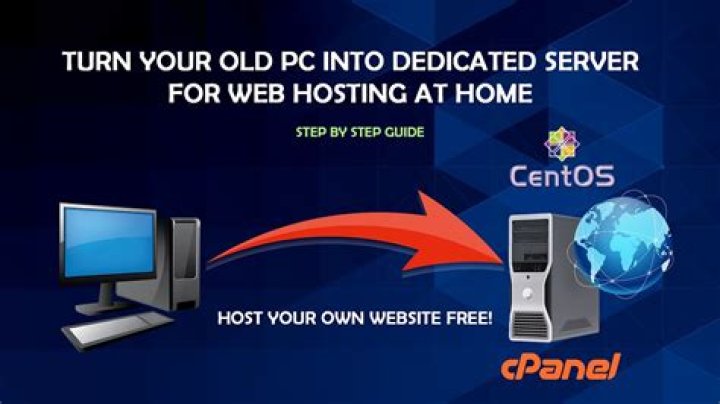
You will need to find a web hosting company to get your domain name on the internet. Most of the major internet service providers offer web hosting services. They can also provide you with multiple email addresses.
Monthly fees for web hosting vary depending on how large your website is and how many visits you get.
3. Prepare your content
Think about what you want your customers to be able to do via your website. This will help you work out what sections or pages you want to include. Consider what information or transactions your customers will want and make sure the site is structured to make it easy for them to find and do the things they need.
Just as you might hire a professional to design your site, you might also want to consider hiring a professional to write and structure your content.
A website that is well designed and easy for customers to use will help your business stand out. Having relevant and appropriate content and images will help customers understand your products and services and will make them feel comfortable with buying from your business.
4. Build your website
You can build your own website or have a professional web developer build it for you. Websites need to be kept up to date, so make sure you plan for ongoing maintenance.
You can use a website publishing package to build your own website. These are similar to word processors, but also have inbuilt features to convert your text and images to web content and send it to your website.
Having someone else build a website for you is a good idea if you’re new to online business. A professional web developer can build your site quickly and provide guidance on successful web design. Hiring a professional can be particularly useful if you are looking at having an online shop or offering other services through your website.
You will need to design your website so it can be easily used on smartphones and other mobile devices. Optimising your website for mobile use means that the growing number of people using phones and tablets to access the internet can use your site while they are out and about.