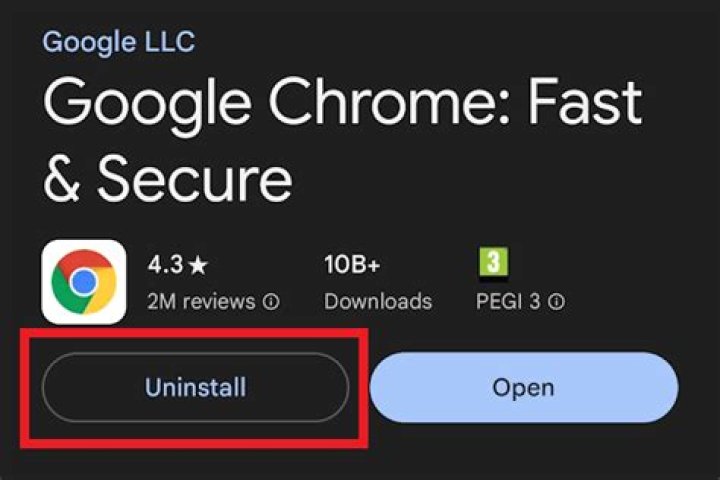
Does your Chrome browser feel like it's running a bit slower than usual? These tips and tricks can help you give Google Chrome a speed boost.
In a way, your web browser has become as important as your PC’s operating system (if not more important). Nearly everything you do, from email to social media—even document editing—happens in your browser. Thanks to Google Stadia and other services, you can even stream games right from a browser window. So if Chrome is feeling a little sluggish, that can hamper the whole experience. Here are a few things you can do to speed it up.
Check Your Internet Speed
Before you blame Chrome for your slowdowns, make sure your internet connection is up to snuff. Run a speed test like Speedtest.net to see how your connection measures up. It’s possible you’re just experiencing a slowdown in your area, or you’re on a crappy public network. (Or maybe you just need to pay for faster internet.)
Update to the Latest Version of Chrome
Each new version of Chrome contains new features, security fixes, and—often—performance improvements, so it’s possible updating to the latest version may help your speed woes. Even if it doesn’t, it’ll keep you safer from online threats.
Chrome updates itself automatically, so chances are you’re already on the latest version, provided you’ve closed the browser recently. If you’re behind, Chrome will display a yellow or red arrow in the upper right-hand corner of the browser.
This means an update is waiting for you, so all you have to do is close out the browser window or click the arrow and choose Update Google Chrome to restart and get the update. It probably won’t make any night-and-day speed differences, but it’s a good place to start nonetheless.
Run a Malware Scan
Before you go digging into Chrome’s settings, you might want to ensure you don’t have any malware on your system. Run a scan with your anti-malware tool of choice and make sure there aren’t any nefarious actors running in the background. These can shove extra advertisements into the pages you visit or track your behavior, which require resources—and thus can slow down your browser and computer.
Run the Chrome Cleanup Tool
Once upon a time, Google developed a program called the Chrome Cleanup Tool, which would detect potentially unwanted programs (PUPs), like toolbars and other automatically installed extensions that your antivirus may not be designed to catch.
Google has since integrated this directly into Chrome, and you can run it by going to Settings > Advanced > Reset and clean up > Clean up computer. Run the tool and it’ll check your computer for any software that might be slowing down your browser.
Uninstall Extensions You Don't Need
If you thought this was going to be easy, I have some bad news for you: sacrifices must be made. While the above tips may help some, the best thing you can do to speed up Chrome is slim it down. Extensions and tabs are the biggest resource hogs, and the fewer you have, the snappier Chrome will feel.
Let’s start with extensions: you can see which ones are taking up the most CPU and RAM by pressing Shift+Esc on your keyboard, which will bring up Chrome’s Task Manager. Check out which ones are hogging the most resources, and which ones aren’t crucial to your workflow.
Uninstall extensions by right-clicking on their icon in the toolbar and selecting Remove from Chrome. Or go to chrome://extensions and remove them from there. The more you get rid of, the more of a speed boost you’ll get (not to mention a security boost, since extensions can be hacked or sold to adware companies).
Close (or Unload) Tabs You Aren't Using
If you’re the kind of person who opens 19 tabs and leaves them running for later, it’s a good bet your slowdown is coming from having so many sites open in the background. Chrome can discard tabs if it runs out of memory, but in my experience, it isn’t very aggressive about it.
Close any tabs you don’t need (once again, Shift+Esc is your friend), and bookmark them for later. You can also grab an extension like Auto Tab Discard, which allows you to automate the “unloading” of certain tabs based on different criteria and keep them in your tab bar, which you can then reload as you need them.
Yes, I realize the irony of installing an extension when we just told you to uninstall as many as possible, but depending on how many tabs you tend to keep open, the result may still be a net positive speed increase for this particular case.
Wipe the Slate Clean
If you still can’t get Chrome to cooperate, it may be time to go nuclear and reset the browser to its original defaults—no extensions, custom search engines, or other saved settings. This can be a pain, but if you discover Chrome goes back to being zippy after resetting, you might be able to keep it tidier and prevent it from building up extra cruft (or at least determine which extension or settings caused things to slow down later).
To perform a reset, head to Settings > Advanced > Reset and clean up > Restore settings to their original defaults > Reset settings. Of course, it may not be Chrome’s fault at all—your computer may just be getting a little long in the tooth. Check out our guide to speeding up your Windows PC to see if any of those tips help. If they don’t, it may be time to bite the bullet and get a new PC.
22 Hidden Chrome Features
Now your browser is up to snuff, make sure you take advantage of Chrome’s best features.
If you’re having problems updating Chrome on your computer, you might see:
- Update failed: Updates are disabled by administrator
- Update failed (Error: 3 or 11) An error occurred while checking for updates: Update server not available
- Update failed (Error: 4 or 10) An error occurred while checking for updates: Update check failed to start
- Update failed (Error: 7 or 12) An error occurred while checking for updates: Download failed
- This computer will no longer receive Chrome updates because Windows XP and Windows Vista are no longer supported
- Google Chrome may not be able to keep itself updated.
- Other errors that mention that “Update failed”
Try the possible fixes below.
Download Chrome again
It’s possible that some files are missing on your computer. To fix, follow these steps:
- .
- Make sure your computer meets the system requirements. and try reinstalling. If you keep seeing an error:
- On Windows, try the standalone installer.
- On Mac, download Google Software Update again and try reinstalling.
If your computer doesn’t let you complete these steps, contact the person who has administrator rights to your computer to complete the Chrome update.
Review antivirus, firewall, or parental control settings
Check the settings for your antivirus, firewall, or parental control software.
- Make sure software updates aren’t blocked from going online.
- Make sure tools.google.com and dl.google.com aren’t blocked.
Reboot your computer
The update might not have completed on your computer. Try rebooting your computer and updating Chrome again.
Check for malware
Unwanted software might stop Chrome from updating correctly.
Chrome can help you find suspicious or unwanted programs on your computer. Learn how to remove unwanted programs from your Windows computer.
Remove bad software and other programs on your computer that you don’t remember installing.
- On your Mac computer, open Finder.
- On the left, click Applications.
- Look for any programs you don’t recognize, then do one of the following:
- Double-click Uninstall or Uninstaller, and follow the on-screen instructions.
- If you don’t see these options, drag the icon from the Applications folder into the Trash.
- Empty your trash when you’re done.
Programs to remove
Here are some common programs that might change your settings and are known to cause problems:
- BrowseFox
- PullUpdate
- Vitruvian
- V-Bates
- SearchProtect
- SupTab
- MySearchDial
- SaveSense
- Price Meter
- Mail.ru Sputnik/Guard
- Conduit Toolbars, Community Alerts & ValueApps
- Wajam
- Multiplug
- Shopper Pro
- Stormwatch
- SmartBar
- Dealply
- SmartWeb
- MySearch123
- AdPea
- Etranslator
- CouponMarvel
- PriceFountain
- Techsnab
- Colisi
- BrApp
- LuckyTab
- OneCall
- Crossrider
- Eorezo
- Consumer Input
- Content Defender
- Movie Dea
Make sure you meet the system requirements
Chrome doesn’t work with the following older platforms:
- Windows XP
- Windows Vista
- Mac OS X 10.6, 10.7, and 10.8
Use a recent operating system to make sure you continue to get the latest Chrome versions and features. Click below to learn more about what your computer needs to use Chrome.
To use Chrome on Windows, you’ll need:
- Windows 7, Windows 8, Windows 8.1, Windows 10 or later
- An Intel Pentium 4 processor or later that’s SSE3 capable
Fix Windows “No longer supported” error
If your computer meets the Windows system requirements above, but Chrome isn’t starting or you see the error message “This computer will no longer receive Google Chrome updates because Windows XP and Windows Vista are no longer supported,” you might have Chrome set to run in Windows’ Compatibility Mode.
Turn off Compatibility Mode:
- On your computer, right-click the Chrome icon.
- Click PropertiesCompatibility.
- Uncheck “Run this program in compatibility mode for.”
To use Chrome on Mac, you’ll need:
- OS X El Capitan 10.11 or later
To use Chrome on Linux, you’ll need:
- 64-bit Ubuntu 14.04+, Debian 8+, openSUSE 13.3+, or Fedora Linux 24+
- An Intel Pentium 4 processor or later that’s SSE3 capable
Still not working? Get more help on the Chrome Help Forum. Or, learn how to fix problems installing Chrome.
If Google Chrome crashes, freezes or won’t start at all, you might see one of these messages:
- Proxy error in Google Chrome:
- err_connection_closed
- err_connection_failed
- Close every tab except for the one that’s showing the error message.
- Quit other apps or programs that are running.
- Pause any app or file downloads.
- Uninstall extensions that you don’t need. Learn how to uninstall extensions.
If a specific page won’t work, you can try to fix page loading problems.
First: Try these common Chrome crash fixes
Your computer may have run out of memory, and can’t load the site whilst also running your apps, extensions and programs.
To free up memory:
On the tab with the error, try reloading.
- Quit Chrome and reopen it:
- Windows: Press Ctrl + q.
- Mac: Press ⌘ + q.
- Try loading the page again.
- Tip: You can reopen any tabs that were open before:
- Windows: Press Ctrl + Shift + t.
- Mac: Press ⌘ + Shift + t.
- Tip: You can reopen any tabs that were open before:
Programs or apps sometimes get in the way of a page loading correctly.
- Restart your computer.
- Try loading the page again.
Next: Troubleshoot Chrome crash problems
To work out whether this is a problem with the web page or with Chrome, try opening the page in another browser. For example, try using Firefox or Safari to load the page.
If it works in another browser, try the steps below:
- Uninstall and reinstall Chrome. There could be something wrong with your Chrome profile that’s causing problems. Uninstall Chrome and make sure that you tick the box to delete browsing data. Then reinstall Chrome.
- Uninstall and reinstall extensions. One of your Chrome extensions could be causing a problem. Uninstall all extensions, then add them back one by one.
- Fix hardware acceleration issues. There could be a problem with how your computer’s hardware works with Chrome. To fix:
- Open More Settings.
- At the bottom, click Advanced.
- Under ‘System’, turn off Use hardware acceleration when available.
- Restart Chrome.
If it doesn’t work in another browser, it could be a problem with your network or the website itself. Learn more below.
If the page didn’t load in another browser, it could be a problem with your network or the website itself.
First, try restarting your modem and router.
If this doesn’t work, contact the website owner and let them know that you’ve been having problems loading the web page.
Some apps might stop Chrome from working properly.
- On your computer, open Chrome.
- At the top right, click More Settings.
- At the bottom, click Advanced.
- Under ‘Reset and clean up’, click Update or remove incompatible applications.
- If you don’t see this option, there isn’t a problem application.
- Decide if you want to update or remove each app in the list.
- Open your computer’s app store and look for an update. If you don’t see an update, check the app’s site for more information.
Fix problems if Chrome won’t open at all
Chrome might already be running in the background on your computer. To see if Chrome’s open and force quit, follow the steps below for your operating system.
Windows
- Press Ctrl + Alt + Delete.
- Click Task manager.
- Under ‘Processes’, look for ‘Google Chrome’ or ‘chrome.exe’.
- Click it, then click End process.
- Press ⌘ + Option + Esc.
- Look for ‘Google Chrome’.
- Click it, then click Force quit.
It’s possible that either your antivirus software or unwanted malware is preventing Chrome from opening.
To fix, check if Chrome was blocked by antivirus or other software on your computer.
Next, learn how to get rid of problematic programs and block similar ones from getting installed in the future.
Still not working? Turn on crash reports to provide more information. Then search for other related issues or post a question in the Chrome Help forum.
Google Chrome is a fast, free web browser. Before you download, you can check if Chrome supports your operating system and you have all the other system requirements.
Install Chrome on Windows
- .
- If prompted, click Run or Save.
- If you chose Save, double-click the download to start installing.
- Start Chrome:
- Windows 7: A Chrome window opens once everything is done.
- Windows 8 & 8.1: A welcome dialog appears. Click Next to select your default browser.
- Windows 10: A Chrome window opens after everything is done. You can make Chrome your default browser.
If you’ve used a different browser, like Internet Explorer or Safari, you can import your settings into Chrome.
Can’t install Chrome because of S mode
If you can’t install Chrome on your Windows computer, your computer might be in S mode. If you want to download and install Chrome, learn more about how to exit S mode. You can also learn how to fix problems installing Chrome.
Install Chrome offline
If you’re having problems downloading Chrome on your Windows computer, you can try the alternate link below to download Chrome on a different computer.
- On a computer connected to the Internet, download the alternate Chrome installer.
- Move the file to the computer where you want to install Chrome.
- Open the file, and follow the onscreen instructions to install.
If you land on the regular download page, that’s normal. Even though the installers look similar, a special tag tells us which one is best for you.
Once you download the file, you can send it to another computer.
Install Chrome on Mac
- .
- Open the file called “googlechrome.dmg.”
- In the window that opens, find Chrome .
- Drag Chrome to the Applications folder.
- You might be asked to enter the admin password.
- If you don’t know the admin password, drag Chrome to a place on your computer where you can make edits, like your desktop.
- Open Chrome.
- Open Finder.
- In the sidebar, to the right of Google Chrome, click Eject .
To check which version of Chrome to install:
- On your Mac, select the Apple icon.
- Select About this Mac.
- In the “Overview” tab, next to “Processor” or “Chip”, check if it says “Intel” or “Apple”.
When downloading the Chrome installation file, select the option that matches your device.
Install Chrome on Linux
Use the same software that installs programs on your computer to install Chrome. You’ll be asked to enter the administrator account password.
- .
- To open the package, click OK.
- Click Install Package.
Google Chrome will be added to your software manager so it stays up-to-date.
Google Chrome is a universal web browser developed by Google in 2008 specifically for Microsoft windows. However, it was later advanced to support other operating systems, including Android, macOS, Linux, and iOS. It is normal for applications to just freeze on your screen and not respond at all. Chrome is also not exempted in that situation.
You shouldn’t worry since it is normal for an application not to respond after some time of use but not every time. There are various ways you can use to solve the problem of Google Chrome not responding.
1. Disable Extensions
These extensions tend to automatically pin on the top right corner of your Google Chrome window with small icons. They are memory intensive, and if they are not your usual add-ons, it is better to disable them to allow more space for Chrome to run. This will therefore reduce the possibility of your Google Chrome hanging. Also, some of the extensions may not be readily available in the top right corner. Hence, you can access them through Chrome://extensions/ and view all the extensions. This allows you to disable and enable some extensions here and there.
2. Safety Check and Clearance
You should first find your Google settings then select the option “Security Check”. It will then check the security of your existing extensions. It will notify you to update the recent version. It is also advisable to set your Security Browser to “Enhanced Protection” to enable safe DNS use. Clearing your browsing history, cookies, and other data would also improve the running speed of your Chrome.
3. Reset and Clean up
This is where you can access the advanced settings in Chrome. You should then select the option “Reset and clean up”. Two options will be displayed. The first is “Restore settings to their original defaults”. If you click that option, it will result in cleaning up all your Chrome extensions and temporary data. However, you will not lose your saved passwords and bookmarks.
The second option is: Clean your computer. In this, it automatically finds harmful software in your computer and prompts you to remove it.
4. Virus Scanning Software
An application’s operation may crash due to the presence of a virus on the respective device. You should therefore use virus killer and detector software to ensure your Chrome operates safely. Some of the virus killer software are Panda cleaner, Kaspersky, AVG Antivirus Free, Avast, and many more.
5. Commands to Shut Down
You should first press the Windows key +R, then type cmd. A command prompt window will appear where you will then type “Taskkill /f/ im chrome.exe” then press Enter. You are then supposed to close Chrome then open it again afresh. It is important to note that the “/f” specifies the process to be terminated, and /”im/” is the image name that specifies the process to be terminated.
6. Install Memory to Get More RAM
Chrome takes up a lot of memory while running. If your motherboard has an extra memory slot, you should make use of it by buying a compatible RAM to expand the capacity. If you need more details about this, please read our “How to Install RAM”.
7. Uninstall and Reinstall or Replace Other Browsers
You can uninstall Chrome browser by going to the control panel then select “Programs where you will be able to uninstall it. After uninstalling, you can then download it again from its official website using another browser. Other alternative browsers can work efficiently, for example, Mozilla Firefox, Microsoft Edge, Opera, and many more. In the case of Mozilla Firefox, it uses less RAM that will let other applications run at top speeds. Microsoft Edge lets you know if your passwords have been compromised on the dark web since it has a Password Monitor. Opera can render pages very fast.
Conclusion
You should clean your computer frequently where it will automatically find harmful software on your computer and prompt you to remove them. If you want an easy way when your Google Chrome is not responding, you can go to the task manager and end Google Chrome’s task, which will automatically close the Chrome window.
The task manager is accessed in two ways: you can right-click on the taskbar, where a list of commands will be displayed, including Task Manager. The second way is by simultaneously pressing the Ctrl key + Alt key + Delete key. Another alternative could also be closing the applications that you are not using then open Google Chrome to enhance its speed.
Update: The Chrome team has now released an official guide to fixing the issue on the Google Chrome Help website. Following these steps should now fix the issue. Interestingly, the team mention fixing the issue on Linux as well as Windows 10 devices, suggesting the issue was more widespread than originally thought.
Original article follows:
Google has just released an update for its Chrome browser, but it seems a bug is causing it to crash repeatedly for some users in Windows 10.
According to Windows Latest, users who installed Chrome 90 in Windows 10 are now experiencing random crashes. Some users are sensing a pattern, with Chrome crashing while loading extensions, but it’s too early to say for definite if that’s causing the issue.
- How to upgrade to Windows 10 for free
- How to speed up Windows 10
- How to uninstall a Windows 10 update
The crashes can end up closing Chrome completely. Other symptoms appear to be pages and tabs not properly loading in Chrome, or extensions crashing (and popping up an error message in Chrome).
We’ve not experienced a crash yet, but Windows Latest claims it has. Looking through comments, it does seem quite a few people are having problems.
It also appears that the crashes are only affecting Windows 10 users – with people using Chrome on Linux, Chrome OS or macOS not experiencing these issues.
How to fix the problem
Google has now officially acknowledged the problem, and on the Google Chrome Help website, it suggests following the following steps for Windows 10:
- Quit any open Chrome windows.
- Re-open Chrome. You will still see the broken behavior.
- Keep Chrome open for about 5 minutes.
- After 5 minutes quit Chrome and then relaunch Chrome. The behavior should be resolved.
Another way to fix the problem appears to be uninstalling Chrome, then reinstalling it again. A reader has also contacted us to tell us that when uninstalling Chrome, make sure the box next to ‘Delete all browsing data’ is checked.
If the issue persists, go to %LOCALAPPDATA%\Google\Chrome\User Data on your hard drive and delete the “Local State” file.
Restarting Chrome should fix it.
The Chrome team have also suggested the following steps for Linux users that are affected by the problem:
- Navigate to the directory containing the Chrome user profile: .config/google-chrome/
- Delete the contents of the [Chrome user profile] \ Origin Trials subdirectory (t his should include a “1.0.0.7” directory)
- Delete the [Chrome user profile] \ Local State file
- Start Chrome, which should load as expected
If it hasn’t then you could try using an early beta version of Chrome, as Google has identified the issue and fixed it there.
Google Chrome has been the web browser market leader for a couple of years now. Despite Edge and Vivaldi browser launches, Google Chrome continues to command the market share.
Google Chrome is perhaps the fastest web browser out there for Windows operating system. Chrome loads web pages quicker than its competitors, and the browser from Google is getting even better with each update.
Make Google Chrome faster
Like any other web browser out there, Google Chrome also slows down with time. After a few weeks of usage, the browser takes a few seconds to launch, and the overall speed goes down.
If you feel that the Google Chrome browser on your Windows 10 is not as fast as it was on day one, you can reinstall the browser to get that missing speed back again. But reinstalling a browser is not an easy job as it will delete browsing history and other important data unless you backup Chrome passwords and other data.
Use SpeedyFox to make Google Chrome faster on Windows
Windows users who would like to speed up their Chrome browser can use a free tool called SpeedyFox. Of course, the name of the program sounds like a program designed to speed up Firefox, but it is fully compatible with Google Chrome as well. The SpeedyFox program was initially released for Firefox, hence the name.
According to the developer of SpeedyFox, this little program helps you boost Chrome startup time up to 3 times and improves the overall speed of the Chrome browser. In addition to Chrome, you can use SpeedyFox to speed up Firefox, Vivaldi, Skype, Mozilla Thunderbird, and Palemoon programs.
SpeedyFox compacts browser database without deleting any data and optimizes the same to operate faster, according to the developer.
The developer recommends you run this tool once in two or three weeks, depending on your usage.
Using SpeedyFox is fairly easy. Once you install and run SpeedyFox on Windows 10 or earlier version of Windows, it automatically detects your Chrome install and profiles. If you have more than one profile, it lists all profiles created in your browser.
Select the profile which you would like to optimize using SpeedyFox and then click Optimize button. As simple as that!
However, depending on the size of the profile and your PC’s configuration, the tool might take up to an hour to complete the optimization.
While SpeedyFox doesn’t delete your browsing history, passwords or bookmarks, we recommend you create a backup of these days before running SpeedyFox.
Visit the following link to download the latest version of SpeedyFox for Windows.
Everyone probably knows, Google Chrome is the world’s most popular web browser, as well as being the most popular, Chrome is also generally considered the most reliable. Sometimes though even the most well looked after machines can have problems. If you are using Chrome and are receiving error: ERR_CERT_COMMON_NAME_INVALID This guide will show you how to fix it and hopefully prevent it reoccurring in the future.
In a nutshell, Error: ERR_Cert_Common_Name_Invalid is an SSL (https) error and can appear on any device running Chrome. From Android, Windows, Ubuntu, Mac, Iphone etc. It can be caused by a variety of different issues as well, simple things such as Misconfigured servers (on the host’s end), firewall/proxy configurations or extensions can also cause the error to occur.
Generally, the error will be displayed with a message that looks something like below.
Your connection is not private. The full error code is this: NET::ERR_CERT_COMMON_NAME_INVALID
If you are seeing errors like this quite frequently, below are some steps you can take to fix the issue and hopefully prevent it from happening in the future.
Fixing ERR_CERT_COMMON_NAME_INVALID:
First up you will need to make sure that your device’s date, time, and region are set correctly.
Windows Users:
Go to Control Panel > Clock, Language, and Region.
Mac Users: Go to Apple menu > System Preferences > Date & Time.
Note: For android and IOS users the process is simple, just enter your device’s settings menu and follow the headings. It’s super easy.
1. Track down the Problematic Extensions or Plugins
Once you have reset your device’s time, date, etc you can continue the process. Open your browser in incognito mode and check if everything is working fine. If you can browse the internet without any issues, you can be pretty sure the error is with an extension or plugin.
Let’s track down the problematic extension.
- Disable all the extensions you are using in your Chrome Browser.
- Now re-enable them one by one and check each of the offending sites. If enabling a specific extension has caused an issue, you have found your problem.
- With the problem isolated, delete the extension from your browser.
Hopefully, this fixes your issue. If it hasn’t continue to option 2.
2. Clear Cache & Data
Issues with your Cache and & Data can also cause error: NET::ERR_CERT_COMMON_NAME_INVALID so it’s best to clear all the data and start fresh, you can do this by:
- Clicking the clicking the 3 dots in the top right-hand corner of your browser, from there select settings, scroll down expand advanced settings and click on Clear Browsing Data.
- Now, check the relevant options for cache, cookies, content license, hosted app data etc.
- Lastly, click Clear browsing data.
- Now browse with Chrome and see if the issue has been fixed.
- Also, open Chrome, go to History > Clear Browsing Data, tick the relevant options, then clear the data.
Your browser should now be working perfectly.
3. Make Sure Everything is up to Date.
If you have tried all of the above things and are still getting the problem, make sure that your device’s Operating System is fully up to date. As well as an up to date system, you should also make sure that your Chrome browser is up to date. Updates are the best and most simple way to fix issues.
4. Clear the SSL Cache:
- Open the Start Menu, type inetcpl.cpl then press Enter, this will open Internet Properties.
- Go to Content tab.
- Click Clear SSL State.
Now test to see if the problem has been fixed. If not you can try to change the same settings in Chrome by:
- Going to Settings > Show Advanced Settings > Change Proxy Settings.
- Here, Select the Content tab and Clear SSL State.
5. Disable Antivirus or Firewall
Sometimes, although not very often, your Antivirus or Firewall can play a part in causing this error message to display. If you have tried all of the above steps and nothing seems to work try disabling your antivirus or firewall. Once they have been disabled, check to see if the error no longer shows. If it doesn’t show, one of these two apps needs to be reconfigured. The reconfiguration will depend on what program you are using. I would suggest reinstalling the problem program from scratch to see if it fixes the issue.
6. Check Proxy Settings:
If you are using a Proxy you might have a misconfiguration, so if the above steps haven’t helped, it’s time to check the Proxy connection.
- Open the Start Menu, type inetcpl.cpl then press Enter, this will open Internet Properties.
- Now go to the Connections tab.
- Here, make sure Only!Automatically detect settings is checked. Everything else needs to stay unchecked. Now click OK.
Hopefully this has removed error: NET::ERR_CERT_COMMON_NAME_INVALID
As good as it is, sometimes Chrome has some problems. Here’s how to fix Chrome extensions that won’t load or keep crashing.
Sometimes, Google Chrome will stop loading extensions without much of a warning. This might happen for all extensions or just some. If it’s all extensions, the issue might be caused by Chrome. But if a single extension stops loading, there might be a conflict.
If your Chrome extensions have stopped working, keep reading. We’ve put together a list of troubleshooting tips that you can use to successfully solve this issue.
1. Restart Chrome
Whenever you’re troubleshooting an issue on your laptop or PC, you should start by trying this quick fix. However, simply closing and opening Google Chrome again might not be enough, so follow these steps for a successful restart:
- Make sure you close Google Chrome completely, including its tray-bar icon.
- On a Windows device, right-click Start and select Task Manager. Or press Ctrl + Shift + Esc. On a Mac device, head into Activity Monitor.
- In the Processes, right-click Google Chrome and select End task.
- Relaunch Chrome and check if you can use the installed extensions.
If restarting the browser didn’t work, you can try resetting Chrome:
- Click the three-dot menu from the top-right corner and select Settings.
- Scroll down and extend the Advanced settings.
- Click Restore settings to their original defaults.
- In the pop-up window, click Reset settings.
Note: Google Chrome might fail to load extensions because of an outdated version, so you should update Chrome to the latest version.
2. Delete Google Chrome Cache
Browsers keep cache data in the background to speed up the loading process. However, a bad cache might cause functioning issues. Here is how you can remove cache data from Google Chrome:
- Open Chrome menu and head to Settings > Privacy and security.
- Select Clear browsing data.
- Set Time range to All time.
- Click Clear data.
3. Search for Harmful Software
Google Chrome has a built-in malware scanner that you can use to find and remove any damaging files from your computer. Here is how you can use it:
- Open the Google Chrome menu and click Settings.
- Scroll down to Advanced > Reset and clean up.
- Click Clean up computer.
- Select the Find button.
4. Reset All Experimental Features
If you’ve changed some of Chrome’s experimental settings, it’s possible these settings are conflicting with the extension manager. To get your extensions working again, you should reset all experimental features.
- Open a new Chrome tab.
- Navigate to chrome://flags.
- Select Reset all to default.
- After Chrome disables all experimental settings, restart Chrome and check if the extensions are working.
5. Check Your Installed Extensions
If none of the solutions listed above help you solve your problem, you should take a look at your installed extensions. This is particularly relevant if some extensions are still working as usual.
Re-enable Malfunctioning Extensions
- Open the three-dot menu from the top-right corner.
- Head to More tools > Extensions.
- Use the toggle for each extension to turn it off.
- Restart Chrome and go back to the extensions list.
- Re-enable the extensions.
Update Your Extensions
Extensions continually update with new functions or bug fixes. Usually, Chrome extensions update automatically when a new version becomes available. If you think an outdated version stops your extensions from working, you can manually update them through the Chrome Web Store.
Reinstall Extension
If disabling and re-enabling the extensions didn’t work, you can take it a step further and reinstall them. Follow these steps to reinstall an extension in Google Chrome:
- Open the Chrome menu.
- Click More tools > Extensions.
- Click the three-dot menu from the extensions that don’t load.
- Select Remove from Chrome.
- Once Chrome uninstalled it, go to the Chrome Web Store and install the same extension.
Get Your Extensions Working Again
While Chrome comes with many functionalities that make it great, it is not perfect. If Chrome doesn’t load your extensions, you can use the tips mentioned above to quickly fix it.
By fixing your extensions, you don’t have to search for a third-party app, and can keep up your productivity.
Google Chrome adds a lot of improvements under the hood in the latest update to improve your browsing experience.
Matthew’s passions lead him to become a technical writer and blogger. Having a Bachelor’s degree in Engineering, he enjoys using his technical knowledge to write informative and useful content.
Subscribe to our newsletter
Join our newsletter for tech tips, reviews, free ebooks, and exclusive deals!