More Articles
Toothache pain is one of the worst types of pain and it seems that when it strikes, all you can think about is the pain. It occupies all your thoughts and you can’t get on with your life. An alternative to pain pills, clove oil is an effective remedy for temporary toothache relief. Instructions on how to apply the clove oil follows in this article.
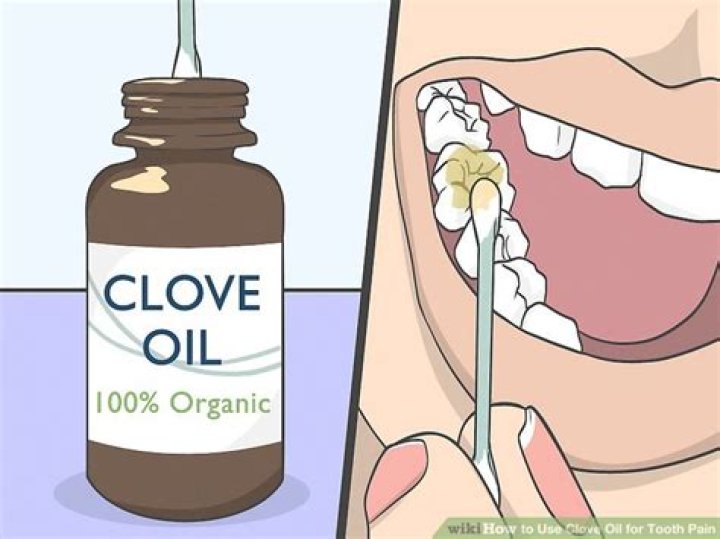
Dip cotton swab into clove oil bottle and remove, wiping any excess oil off on the inside neck of bottle. Clove oil has a strong aroma so don’t be surprised if it smells pungent. Replace cap to clove oil.
How to Treat a Severe Toothache
Apply dipped cotton swab directly onto tooth that hurts. The clove oil will slowly enter the tooth through any cracks or missing fillings and will travel to the nerve. Almost immediately you will feel the clove oil start numbing the pain. A dry, hot feeling may occur after application but this will not have a lasting effect.
Reapply clove oil treatment by following Steps 1 and 2 as soon as the pain starts coming back. Book an appointment with your dentist as soon as it is convenient as clove oil is supposed to be a temporary measure to relieve toothache pain and not a permanent fix.
Quick fixes are no substitute for proper dental care–see your dentist regularly
Warnings
Clove oil, if continually reapplied for any length of time may kill the tooth’s nerve.
When a toothache hits you at lunch or in the middle of the night, you need a quick fix. Clove oil can be the remedy you need, if you can’t get to your dentist right away. Cloves contain an active ingredient that numbs the nerves in your mouth, offering temporary relief.
How Clove Oil Works
When you use clove oil for toothache pain, it’s the eugenol (an ingredient within clove oil) that provides relief. Eugenol is a natural anesthetic and antibacterial, and it works well at reducing inflammation in the mouth. In fact, a study by the British Association of Oral and Maxillofacial Surgeons showed that eugenol is much more effective than using another analgesic and doing nothing else. Researchers examined the symptoms of 270 patients who had a tooth extracted, and found that patients who had received a eugenol-based paste suffered the least pain, inflammation and related aftereffects.
Using Clove Oil for Toothache
You can buy clove oil as a home remedy from most supermarkets, health food stores and drugstores. Sometimes the product is called “oil of cloves.” Keep in mind clove oil has an unpleasant taste and can have unpleasant side effects if eaten, so it should only be used for adults and older children who aren’t likely to swallow it by mistake. For younger children – or teething babies, suggests BabyCenter – cut it with a carrier oil like almond or a similar child-safe preparation that contains clove oil as the active ingredient.
Here’s how to use it:
- To start, you’ll need a piece of clean tissue, or a cotton swab or cotton ball.
- Briefly dip the tissue or cotton in the clove oil so that it soaks up just a few drops.
- Gently wipe the oil over your gums at the point of pain.
- You can also use a whole clove if you don’t have any clove oil handy. Place the clove on the affected area and leave it there until the pain comes down.
- If the effect of clove oil is too strong, use olive oil to dilute it.
You can also take an over-the-counter pain relief medication such as ibuprofen or acetaminophen along with clove oil.
Visit a Dentist
Clove oil reduces pain and swelling when you have toothache, but a dental cavity is a systemic issue, and therefore clove is merely used to help with the symptoms of the toothache. After applying clove oil you may feel better, but the oil is only masking the symptoms of your problem – you should visit a dentist as soon as you can. Toothaches are usually caused by tooth decay, and the longer you delay before seeing a dentist, the worse the decay can become.
Once your dentist determines the cause of the toothache and fixes your dental problem, reduce the risk of dental pain returning by brushing with a remineralizing toothpaste like Colgate® Enamel Health™ New Mineral Repair™ Toothpaste to remineralize and strengthen tooth enamel. Floss between your teeth once a day.
A bottle of clove oil is a convenient home remedy to keep in your bathroom cabinet or shelf where children have no access. Used in small amounts, it’s safe and effective at relieving dental pain. But for long term relief, always see your dentist as the expert to treat your toothache.
This article is intended to promote understanding of and knowledge about general oral health topics. It is not intended to be a substitute for professional advice, diagnosis or treatment. Always seek the advice of your dentist or other qualified healthcare provider with any questions you may have regarding a medical condition or treatment.
Toothaches are uniquely irritating. They’re painful, and getting to a dentist for immediate attention may be inconvenient. You can use over-the-counter pain medications, but natural treatments are also available to treat pain.
One of these preferred remedies is cloves. For centuries, cloves have been used as a pain relief technique. Historically, treatments called for inserting the clove into an infected tooth or cavity. They contain an active ingredient that numbs the skin it touches, which may provide temporary relief from the toothache.
Today, instead of grinding cloves, we use clove oil. Clove oil is the extracted, concentrated product from the plant. Read on for instructions on using clove oil.
Trying to use clove oil for the first time?
- a bottle of clove oil or powder
- cotton swab or cotton ball
- carrier oil (such as coconut oil, almond oil, or olive oil)
- a small dish
You can also use clove powder meant for baking, but clove oil is more effective.
Steps
- Collect the supplies and ingredients you need.
- Squeeze a few drops of clove oil with 1 teaspoon of olive oil into your dish.
- Soak your swab or cotton ball with the clove oil.
- Gently swipe the swab or ball around the area that is bothering you. Or place the cotton ball over the area.
- Allow the oil sit for 5 to 10 minutes before it starts working.
- Reapply every 2 to 3 hours for relief.
Oil pulling: You can also swirl clove oil mixed with coconut oil in your mouth. Focus on swishing the oil in the affected area to avoid numbing your whole mouth.
Clove paste: You can also make a paste or gel by grinding fresh whole cloves and mixing them with oil. This is less effective than using concentrated oil.
Where to buy clove oil
Look for clove oil in the medicinal section of your supermarket or the home remedies section of your pharmacy. Always dilute essential oils with a carrier oil. Carrier oils are neutral oils, such as vegetable or nut oils, that help dilute stronger essential oils to make them easier to use and more palatable. Stop use if the clove oil is too strong, upsets your stomach, or burns.
Clove oil contains the active ingredient eugenol, which is a natural anesthetic. It helps numb and reduce pain to ease a toothache. Eugenol also has natural anti-inflammatory properties. It may reduce swelling and irritation in the affected area. Dry Socket Paste, an over-the-counter treatment dentists recommend for teeth extraction pain, has eugenol.
A British study found that eugenol is more effective at reducing pain, inflammation, and infection than another type of analgesic. Study participants who used the eugenol-based paste also had better wound healing than study participants who used the other treatment or no treatment at all.
Another study looked directly at a homemade clove gel, 20 percent benzocaine, and a placebo. They found that the clove gel and benzocaine reduced pain significantly. The clove gel was as effective as benzocaine.
Clove oil is naturally unpleasant to taste. Avoid swallowing any of it. Ingesting clove oil can lead to several side effects, including:
- breathing difficulties
- burning in your nose and throat
- upset stomach
- diarrhea
While clove oil is widely seen as an acceptable alternative treatment for toothache, it’s not widely supported by mainstream medical doctors. Talk with your dentist if you have any questions about using clove oil as toothache relief.
Infants and children
Avoid giving undiluted clove oil to children. Children may swallow the oil by mistake, which could make them very ill. Be sure to mix the clove oil with natural carrier oil, if you want to use this treatment on your child or infant. These oils dilute the strength of the oil and make it easier for young children to tolerate.
The treatments for toothache largely depend on what’s causing it. There are other ways to relieve toothaches if clove oil doesn’t work. The alternative treatments mentioned below may provide extra benefits alongside clove oil treatments.
| Treatment | Why | What to do |
| peppermint oil | contains 35-45 percent menthol, which can reduce pain | Use same way as clove oil. Be sure to dilute. |
| sea salt rinse | reduce inflammation and pain | Dissolve a spoonful of sea salt in a cup of warm water and swish around affected area. |
| clean your mouth | trapped food particles between teeth may cause pain | Thoroughly flossing and brushing your teeth may help. Be sure to rinse with an antiseptic mouthwash to help eliminate any infections and reduce sensitivity. |
| OTC pain meds | may reduce pain and sensitivity caused by toothache | Try Tylenol or ibuprofen. |
| oral antiseptic | can ease irritation and provide temporary pain relief | Look for options that contain benzocaine, which can gently numb your gums. |
If you’re experiencing a toothache right now, keep these steps in mind for managing your pain:
- Look for dental damage: Can you see any damage to your teeth? If so, you may need emergency medical attention. If a tooth is cracked or broken, no amount of pain relief may help.
- Weigh your options: Which is more ideal for you? If you prefer something more natural, try one of the home remedies above. Otherwise, take one or two of your preferred over-the-counter pain relievers.
- Try clove oil: Try clove oil for a day or two as a soak or paste. Continue this until the pain goes away or you’re able to visit with your dentist. Consider OTC pain medication if the relief isn’t strong enough.
Know when to call the doctor
Clove oil is a great temporary pain relief. It may be strong enough to ease pain from a sensitive tooth. However, if your pain is the result of a larger dental issue, like a cavity or broken tooth, call your dentist and schedule an appointment.
Last medically reviewed on February 23, 2017
by Prachee last updated – May 28, 2020 вњ“ Evidence Based
Toothache can be caused due to many reasons, from cavities to gum infections to a new wisdom tooth. While it is important to address the underlying cause of toothache at the earliest, often the unbearable pain it causes demands more immediate attention. Clove oil is a quick solution for toothache when all you want is for the pain to alleviate. But how do you use clove oil for a toothache? Is it safe if you ingest it? What if you can’t find clove oil ? Let us answer these concerns so you can quickly get rid of that nagging pain that’s taking over your day.
How to Use Clove Oil for Toothache?
To understand how to use clove oil for toothache safely, we need to understand how it works. It is important to remember that the use of clove oil may not solve the underlying issue that is causing your toothache. Instead, it may work best as a palliative solution to help provide instant relief from the pain.
Knowing this makes it easier to use clove oil as an instant, accessible remedy in times of need. Here are a few simple ways of using clove oil for toothache.
Clove oil is a quick and easy fix for persistent toothache. Photo Credit: Shutterstock
- The easiest way to do this is to soak a tiny cotton ball in clove oil and hold it over the area of concern. You can pinch it between your teeth, or tuck the cotton ball near the tooth. Replace it with a fresh cotton ball if necessary.
- If you find yourself sensitive to clove oil, try diluting it with two parts of olive oil per one part of clove oil. You can also use coconut oil if available. Coconut oil is found to be effective against Streptococcus mutans, a bacteria commonly found to be responsible for tooth decay.
- If you are already practicing oil pulling, adding a drop of clove oil to your regime could help you address that toothache. This is an easy way to use clove oil for toothache that is not too intense, or for when you aren’t sure about using clove oil directly. This helps you reap the benefits of oil pulling for dental health, as well as pain relief for specific issues.
- If the ache is affecting your gums as well, dip a cotton swab in clove oil and apply it over the affected area until you feel the pain start to alleviate.
- If you do not have clove oil, you can always use cloves directly. While this method is a bit more slow-acting than the oil, it is as effective. Take a single clove bud and hold it between your teeth where it is hurting. It is safe to ingest so let it sit there while you go about your day.
The least effective way is using pre-diluted clove oil or clove powder, which don’t work as quickly as most of these other options. You can easily find clove oil online or in your local stores. Moreover, if you have cloves at homes, you can make your own batch of clove oil using our easy recipe.
How does Clove Oil Reduce Toothache?
One of the primary components of cloves is eugenol, which is also a dominant compound found in clove oil as well as cinnamon and basil. It also gives cloves its central fragrance . What makes eugenol important when using clove oil for toothache is its anesthetic properties. It works in the area of pain by numbing it down. However, apart from that, clove oil also helps fight bacteria which can harm your oral health. According to a 2011 study, clove oil is a natural antibacterial agent that can offer protection against cariogenic and periodontal pathogenic bacteria.
After testing the efficacy of clove oil against five microorganisms causing dental caries, a 2010 study concluded that clove oil is an effective solution against dental caries. While it is important to consult your dentist to resolve your dental health issues appropriately, clove oil is a safe and effective solution for immediate relief.
Prachee is a content writer for Organic Facts and is responsible for writing on the latest wellness trends. A former Journalism & Media teacher, she prides herself on being able to seamlessly dabble between health, science, and technology. She has completed her Masters in Communication Studies from the University of Pune, India as well as an online course on “Introduction to Food and Health” from Stanford University, US. Prachee fancies herself to be a poet and a cook when the rare lightning of inspiration strikes.
If you buy something through a link on this page, we may earn a small commission. How this works.
Eugenol, a chemical found in cloves, has been used in dentistry since the 19th century. Cloves and clove oil have long been used as a home remedy for a toothache.
In this article, we will look at the evidence for clove oil as a treatment for a toothache, as well as whether it has any possible side effects.
We will also investigate commons causes of a toothache and suggest tips to prevent tooth pain in the future.
Share on Pinterest Clove oil has long been used as a home remedy for toothache.
Clove oil has been used in traditional Indian and Chinese medicine for centuries to relieve tooth pain.
Clove oil contains a chemical called eugenol. In 1837, eugenol and magnesium oxide were combined to create a filling material.
Later, zinc oxide replaced the magnesium oxide to create ZOE (zinc oxide eugenol), which is still widely used as a temporary filling cement.
Since the 19th century, eugenol has been one of many essential oil components to be used in root canal therapy, periodontal therapy, and to treat abscesses.
Clove oil contains a chemical called eugenol, which acts as an anesthetic and antibacterial agent. Clove oil is anti-inflammatory and antifungal.
It is available from many supermarkets, drug stores, and health food shops, or can be bought online. It has a strong, warm, and spicy taste.
To use it for a toothache, dip a clean tissue, cotton swab, or cotton ball into the oil and wipe it over the gums at the point of the pain.
People can also use whole cloves. Simply place them on the affected area for several minutes at a time.
Clove oil has long been applied directly to the gums to ease toothache. There is evidence that the eugenol in clove oil is effective at fighting several known oral bacteria. Medicines containing eugenol are widely used in dentistry.
Some research suggests that clove gel may reduce the pain of needle insertion in dentistry. More work needs to be done before this is conclusive.
The United States Food and Drug Administration’s (FDA) rate the effectiveness of certain treatments based on the available evidence. It has recently downgraded the classification of clove oil.
The FDA now believe there is not enough evidence to suggest it is effective for toothache, and that more research is needed.
While clove oil is usually safe when applied to the skin, repeated use inside the mouth and on the gums can have side effects.
Side effects may include damage to the:
- gums
- tooth pulp — the central part of the tooth which is made of connective tissue and cells
- the skin on the inside of the mouth
- mucous membranes inside of the mouth
Using dried cloves inside of the mouth can cause sensitivity and irritation, as well as damage the dental tissues.
Consuming clove oil can be dangerous for children and may lead to seizures, liver damage, and fluid imbalances.
Pregnant women are advised against using this remedy, as it is not known whether clove oil is safe for the growing baby.
Over-the-counter pain medications, such as acetaminophen and ibuprofen, may reduce the pain and discomfort while a person is waiting for a dentist appointment.
An over-the-counter dental gel containing local anesthetic can also be used to numb the pain. This method is not suitable for children under the age of 12.
If a toothache lasts for more than 1 or 2 days, a person should make an appointment to see their dentist. If it is left untreated, it may get worse.
Most cases of toothache are caused by:
- tooth decay that leads to holes or cavities in the hard surface of the tooth
- a cracked tooth
- loose or broken fillings
- receding gums
- periapical abscess or a collection of pus at the end of the tooth caused by a bacterial infection
If the toothache is not treated, the tooth may become infected and lead to worse pain.
To determine the cause of a toothache, the dentist will carry out a physical examination and may suggest an X-ray. The type of treatment will depend on the underlying cause but may include:
- removing a decayed area and replacing it with a filling
- removing and replacing loose or broken fillings
- carrying out root canal treatment on an infected tooth
The best way to prevent a toothache is to keep the teeth and gums healthy. Some best practices include:
- limiting intake of sugary food and drinks
- brushing the teeth twice a day using a fluoride-containing toothpaste,
- gently brushing the gums and tongue
- using dental floss to clean in between teeth
- quitting smoking
- having regular dental checkups
Toothaches can be distressing, particularly if you can’t get to the dentist’s office immediately. While some people will reach for an over-the-counter topical anesthetic like Orajel or Anbesol, others will head to the health food store for a bottle of clove oil—a natural remedy used for centuries to treat tooth pain. While it is safe when used correctly and may provide you with relief, there are limitations to its use and things you should know before using it or any therapeutic oil.
Background
Popular in Ayurvedic medicine and traditional Chinese medicine, cloves were once inserted whole into an infected cavity or applied as a topical extract to relieve pain and inflammation.
By the early 19th century, the active ingredient, Eugenium aromaticum, was combined with magnesium oxide to create a temporary filling material. The magnesium oxide has since been replaced by zinc oxide to produce zinc oxide eugenol (ZOE), a temporary filling cement still popularly used in deentistry and endodontics.
Cloves are dried flower buds taken from a tree of the Myrtaceae family. The oil is usually extracted through steam distillation; other producers rely on chemical solvents and boiling to obtain the prized oil. Depending on the method used, a refined oil can contain anywhere from 80 percent to 90 percent eugenol.
How It Works
Eugenol is the chemical that gives clove its spicy scent and pungent flavor. When applied to tissues, it creates a warming sensation that Chinese herbalists believe treat yang deficiencies.
Clove oil works similarly to capsicum in peppers by stimulating the production of a protein known as trans receptor potential vanilloid-1 (TRPV-1) which, in turn, desensitizes nerve endings near the surface of the skin. It also exerts potent antibacterial properties that can aid in healing and prevent infection.
Clove oil, which can be colorless or have a slightly yellowish tinge, is often used in dentistry to treat pain from a dry socket following the extraction of a tooth. It can provide short-term relief of tooth pain but doesn’t necessarily treat the underlying cause (such as an abscess, tooth decay, or a tooth fracture).
While there had been some suggestions that clove oil is just as effective as benzocaine in treating toothache, the U.S. Food and Drug Administration (FDA) recently downgraded eugenol, citing that the evidence supporting its use was lacking.
Applications
Clove oil should never be applied to the gums undiluted as it can cause irritation and may lead to toxicity. Instead, it is best diluted by adding two to three drops to a neutral carrier oil, such as olive oil or canola oil. The oil preparation can then be dabbed onto the affected tissue with a cotton ball or swab. You can even keep the cotton ball in place for several minutes to increase absorption.
Upon application, you should feel a slight warming sensation and a pungent, gunpowdery flavor. The numbing effect should be fully felt within five to 10 minutes. You can reapply every two to three hours as needed.
If you have multiple areas of mouth pain following a dental procedure, you can add a few drops of clove oil to a teaspoon of coconut oil and swirl it in your mouth to coat. (Do not swallow.) People have also been known to apply ground cloves directly to the gums, the taste of which most find off-putting.
Side Effects
While clove oil is considered safe if used appropriately, it can become increasingly toxic if overused.
The most common side effect is tissue irritation, which is characterized by pain, swelling, redness, and a burning (rather than warming) sensation. This would either suggest that the concentration is too high or you are especially sensitive to eugenol. Do not persist with treatment as this may lead to the formation of oral lesions (contact stomatitis).
Clove oil should never be ingested. Animal studies have shown that this can lead to liver damage as well as the thickening and hardening of esophageal and stomach tissues. Gastric ulcers and kidney impairment were also noted.
Allergic reactions can be expected in around 2 percent of users. Most cases are mild and transient with localized rash, itching, swelling, and scratchy throat. Clove oil is generally not associated with anaphylaxis.
If swallowed in large quantities, clove oil can cause severe symptoms, including:
- Abdominal pain
- Coughing up blood
- Diarrhea
- Difficulty urinating
- Dizziness
- Nausea and vomiting
- Seizures
- Coma
Seek urgent medical care if you have accidentally swallowed a large amount of clove oil. Keep the oil well out of reach of children to avoid accidental ingestion.
You should also avoid the excessive inhalation of clove oil, which can trigger respiratory symptoms, including a sore throat, coughing, and shortness of breath. Long-term exposure may even increase the risk of lung infection (as evidenced in part by the high rate of infection and pulmonary edema in clove cigarette smokers).
Contraindications
Clove oil should not be used if you are actively bleeding as eugenol interferes with normal blood clotting. As such, it may not be appropriate for people with bleeding disorders or those who regularly take blood thinners such as warfarin. It should also be avoided prior to a dental procedure as it may promote excessive bleeding.
While clove oil is not regulated in the same way as a pharmaceutical drug, the FDA strongly advises against its use in children.
A Word From Verywell
While clove oil has long been a tried-and-true remedy for many families, it is not for everyone. If you are unable to tolerate the taste or experience adverse symptoms, there are other options you can try, including:
By: Willow Sidhe
11 December, 2018
Toothache pain ranges from throbbing to excruciating, but a good dentist can alleviate the pain quickly. If you can’t get to a dentist right away, the wait can prove agonizing. That painful wait may be one reason why so many over-the-counter products and home remedies exist for treating painful teeth. And those including cloves may actually work. Cloves contain eugenol, a chemical compound widely used as an analgesic and local anesthetic, particularly in dentistry. Clove oil provides the greatest benefit for toothaches, but you can get the same numbing effect from whole cloves.
Simple Clove Remedy
A simple remedy for a toothache consists of placing a few whole cloves in your mouth, moistening them with saliva until they soften, then bruising them between your non-painful molars to release their pain-relieving oil. Hold the softened cloves against your painful tooth for up to 30 minutes before discarding them and beginning the process again. Repeat several times per day as needed to relieve pain until you can get to a dentist.
Crushed Whole Cloves
How to Get Rid of Calcification on Your Teeth
Crushing whole cloves before placing them against your tooth also relieves a toothache. This remedy works best for a toothache so painful that crushing the cloves inside your mouth is impossible. Take a piece of cheesecloth or other thin, natural fabric and place 3 or 4 whole cloves inside. Tie the cloth around the cloves to make a small bag, then place the bag on a table and crush the cloves with a hammer or heavy book. You can place the entire bag in your mouth against the tooth and moisten with saliva to release the oils, or sprinkle some of the resulting clove powder over the tooth.
Cloves and Cayenne
Whole cloves combined with cayenne pepper create an effective toothache remedy, though when applied, the mixture may cause a burning sensation for the first few minutes. Crush a few whole cloves and mix with equal parts cayenne pepper powder in a small mixing bowl. Add a few drops of water to make a thick paste, then roll a small cotton ball into the mixture to thoroughly coat the surface. Place the cotton ball directly onto the affected tooth as needed to relieve toothache pain. This treatment may irritate the gums, so try to keep the cotton off your gums and on the tooth.
Warnings
Home Remedies for Bleeding & Swollen Gums
Eugenol can be toxic if ingested. This treatment should be avoided in children who are likely to ingest the oil. See your dentist for an accurate diagnosis of the cause of your toothache. Seek immediate attention if you have swelling or drainage with your tooth pain — you could have an infection.
Posted Tuesday, January 17, 2017 at 02:53pm EDT
Clove oil is derived from a plant that originally from India. Maybe it’s not one of the most popular essential oils,it’s also widely used as a natural remedy for several different ailments. And one of the most remarkable benefits of clove oil is its ability to treat a toothache.
Suffering from a toothache is really a bad experience, as the serious pain does not just affect your physical health, it also can affect your work as well as social life.
When you’re looking for natural ways for relieving a toothache, don’t miss clove oil. It has strong germicidal properties, that’s why Clove oil is often added to lots of dental products such as toothpaste and mouthwash. Clove oil helps relieve sore gums, toothache, and dental pain effectively, and it’s simple to use it.
Clove Oil Toothache Remedy
You have to prepare a bottle of clove oil and some cotton balls.
Dip a cotton ball into the oil and then wipe it onto the affected tooth where you’re feeling pain.
You’ll feel a relief almost instantly as the clove oil will quickly numb the pain from the nerve ending.
Apply this remedy as often as you need, it’s efficient and safe to use.
More Healing Properties of Clove Oil
Besides curing dental problems, clove oil has many more properties which have medicinal significance:
- Antibacterial
- Anti-viral
- Anti-fungal
- Antiseptic
- Anti-oxidant
- Analgesic
- Anti-inflammatory
- Irritant
- Warming
- Carminative
These remarkable properties make clove oil as a great agent to treat many health problems.
Other Various Ways to Benefit From Clove Oil
You can cure cystic acne with clove oil
Mix a few drops of clove oil into 200 ml high-quality glycerin, shake the mixture well and apply it all over the affected area with a cotton ball. Let it dry and don’t wash it off, do this twice a day. After regular use for some days, you will notice that the acne cysts turning from red to dark as they have started healing.
With strong antibacterial properties, the effect of clove oil for cystic acne is even better than many antibacterial creams.
Clove oil helps ease your headache
Clove oil is a natural remedy for easing many types of headaches, including migraines. Add 3-4 drops of clove oil in 100 ml olive oil, apply a rag soaked in this mixture to your forehead to get relief from a headache.
It’s a mood-booster
Open the bottle of clove oil and smell it deeply for some seconds, it will reduce your fatigue and relieve the anxiety related issues. Clove oil is also used widely as a herbal remedy for insomnia, depression, memory loss as well as other mental issues.
You can also use clove oil to improve digestion
It works effectively to relieve some digestive problems, such as bloating and gas. Clove oil is well known for its ability to relax the smooth muscle lining of the digestive tract thus preventing bloating, gas, nausea, hiccups and vomiting.
Related Reading:
Actually each tooth is also connected to an organ in your body, see What Does Each Tooth Say About your Health
Please ‘share’ our page “ Health Blog ” with your FB network if you want to find more natural living tricks and ideas, thanks!
I have written articles on various physical and mental health related conditions, including diabetes/ heart disease/ autism/depression/Nutrition/fitness/diets/fad diets/herbs/alternative therapies/weight loss/obesity in children and adults/smoking risks/alcohol risks/fast foods/disease.
Clove Oil has been recommended by our elders long before there were any medicines to help in relieving Toothache from hundreds of years. So let us look at the science behind the use of Clove oil for relieving toothache, whether it helps in removing just the pain or has any anticeptic or antibiotics effect as well or not. The main chemical found in Clove is Eugenol which helps in reducing the pain in the tooth which is being used in Dentistry from long.
Clove Oil has been found in many ancient Indian texts dating back hundreds of years a medicine to cure toothache. As it contains Eugenol it helps in relieving the pain temporarily. Due to this property, in 1837, Eugenol was combined with Magnesium oxide and used as a temporary filling material which can help in both relieving pain as well filling the cavity temporarily.
Later the Temporary filling material was made with Eugenol and Zinc Oxide replacing the magnesium oxide and termed as Zinc Oxide Eugenol which is the most commonly used Temporary Filling material. With the advancements in Dentistry the use of Eugenol has also evolved including it in Periodontal treatments, abscess, root canal therapy, Interim Restorations (IPC), etc.
How does Clove Oil help in Relieving Toothache:
Clove Oil consists of Eugenol which acts as an Anesthetic along with having antibacterial properties. Many studies even suggest Clove Oil to contain Antifungal along with Anti-inflammatory properties which help in its varied uses.
Clove Oil or Eugenol Oil will be available in any medical stores or even super markets. The Oil can be used on infected gums or abscess and also on carious teeth to help relieve pain.
Clove oil does not kill the nerve in the tooth but it just anesthetizes the nerve and helps in relieving toothpain.
How to Use Clove Oil for Tooth pain:
Clove Oil is available in the form of Oil or Paste which can be applied on the tooth or Gums to relieve pain.
If you are using Oil, take a small swab of cotton and dip it in the Oil and place it on the tooth affected or the carious hole and bite down on it. This lets the oil seep into the affected tooth thus relieving the pain.
If you are using the Clove Oil as a paste, just apply the paste on to the affected tooth or Gums and leave it their.
In case of Emergency you can also use a whole clove, by placing it on the offended tooth and slowly biting down on it to release the oil which helps in relieving the pain.
It is not given scientifically about how long clove oil last for toothache as it depends on the underlying pathology for which it is being used.
About The Author
Varun Pandula
I am Varun, a Dentist from Hyderabad, India trying my bit to help everyone understand Dental problems and treatments and to make Dental Education simplified for Dental Students and Dental fraternity. If you have any doubts feel free to contact me or comment in the post, thanks for visiting.
Is tooth pain ruining your day? Consider using clove oil for toothache. Eugenol, one of its active compounds, has anesthetic and antiseptic effects, leading to pain relief. In fact, this natural ingredient is widely used in toothpaste and dental products.
Eugenol, a natural compound in clove oil, is a potent analgesic, antiseptic and antibacterial agent. When applied locally, it can numb the nerves and relieve tooth pain. Its effects are temporary, though. See your dentist as soon as possible to determine the cause of pain and receive treatment.
What Causes Tooth Pain?
Nearly all adults and up to 90 percent of children have tooth decay, a common cause of dental pain, as reported by the World Dental Federation. The pain associated with oral diseases can affect your mood as well as your sleep and overall quality of life. You may have trouble eating, working and interacting with others.
According to the World Health Organization, dental problems are a leading cause of pain and disfigurement. From tooth decay and infections to cavities, toothaches can occur for various reasons. Dental plaque, for example, can build up in the mouth, leading to cavities, abscesses and gum diseases. Any of these conditions may cause aches, soreness and sensitive teeth.
Toothache is often a sign of tooth decay, warns Scotland’s National Health Service. The pain can range in intensity from mild to severe. If left unaddressed, it may get worse and lead to infections. Other common causes include a cracked tooth, receding gums or loose fillings. Sometimes, tooth pain is a symptom of sinusitis.
In general, it’s recommended to see a dentist if your toothache is accompanied by fever, lasts more than two days or doesn’t subside when you take painkillers.
Unfortunately, tooth pain often strikes when you least expect it, such as in the middle of the night or right before travel. Painkillers may not be an option. These drugs have a myriad of side effects, from stomach ulcers and digestive distress to liver problems.
Another option is to use clove oil for toothache. This remedy may offer temporary relief from tooth pain and kill oral bacteria due to its antimicrobial action, according to the Electronic Medicines Compendium (eMC). Furthermore, it acts as a local anesthetic, numbing the nerves.
How Does Clove Oil Work?
Essential oils have long been used for their healing power. Clove oil is no exception. When applied topically, it inhibits yeast and bacteria, as reported in a research paper published in the Brazilian Journal of Microbiology in its October-December 2012 issue. Its antibacterial and antiseptic properties are recognized in dentistry and other areas of medicine.
Researchers discovered that clove oil can reduce the activity of Staphylococcus aureus, E. Coli and Pseudomonas aeruginosa, three of the most harmful bacteria species. They used a formula containing about 83 percent eugenol, the natural compound responsible for its antibacterial effects. As the scientists note, this oil isn’t markedly inactivated by dilution as with other similar products.
Furthermore, clove oil exhibits antioxidant effects. In fact, its antimicrobial and antibacterial activity is higher than that of most spices, fruits and vegetables. Eugenol, its primary compound, may protect against cancer, but more research is needed in this area. Scientists believe that clove oil alleviates pain by inhibiting the synthesis of prostaglandins, a class of lipids that form at the site of infection.
When your tooth hurts, it’s actually the nerve in its root — not the bone — that causes pain. Take dental abscesses, for example. As the Mayo Clinic notes, this condition occurs when bacteria attack the dental pulp where the tooth nerves are located. Here, they cause inflammation and severe pain. You may also experience facial swelling, difficulty chewing, fever and pain that radiates to other tissues.
Clove oil not only destroys oral bacteria and wards off infections, but it may also relieve dental pain. This natural product has analgesic effects, points out the U.S. National Library of Medicine. For this reason, it’s commonly used in the treatment of gum and tooth pain. A few drops of this oil applied to the affected area can temporarily deaden the nerve endings.
Be aware, though, that clove oil doesn’t treat cavities, dental infections and other oral disorders. It only relieves your symptoms for a couple of hours, making the pain more bearable. Your dentist is the only one who can identify and treat the root cause of your problem.
How to Apply Clove Oil
Using clove oil for toothache is pretty straightforward and takes just a few minutes. Just follow these steps, as suggested by the eMC:
- Pour a few drops of oil on a cotton swab
- Apply it to the affected tooth
- Avoid touching the surrounding skin and gums
Sounds simple, doesn’t it? The best part is that it really works.
In a clinical trial, researchers compared the effects of a eugenol-based paste versus chlorhexidine gel, a topical antibacterial and antiseptic agent used in dentistry. The results were published in the British Journal of Oral and Maxillofacial Surgery in November 2015. The study was conducted on 270 subjects who had their third molars extracted. None of the patients using eugenol developed dry socket, a common complication of tooth removal.
According to the U.S. National Library of Medicine, there is insufficient evidence to support the use of clove oil for toothache, dry socket, dental plaque and other oral problems. The FDA has actually downgraded its effectiveness rating. However, clinical research shows something else. It’s up to you to decide whether or not it makes sense to use this home remedy.
Are There Any Drawbacks?
Beware — clove oil isn’t free of side effects. When used in high doses, it may affect the lungs, kidneys, stomach, heart, throat and nervous system. You may experience stomach pain, nausea, rapid heartbeat, breathing problems and dizziness. There is also a risk of burns in the mouth and throat. But these issues are unlikely to occur if you use just a few drops.
This remedy may not be suitable for everyone. In some cases, it may cause hypersensitivity, allergic contact urticaria, skin irritation and even anaphylaxis. These adverse reactions are attributed to eugenol.
Consider trying other home remedies for toothaches before resorting to clove oil. For example, use a cold compress or ice packs and rinse your mouth with mouthwash. Avoid eating hard foods, as they can worsen the pain. Reach out to your dentist as soon as possible. The longer you wait, the higher the risk of complications.
A toothache occurs due to many reasons such as dental cavities, temperature sensitivity, abscessed tooth, tooth grinding or clenching, gum recession, etc. Many remedies are applied to get rid of from this unbearable pain, among which clove oil also known as oil of clove is the most effective remedy. Here we discussed some effective ways to use clove oil for toothache relief.
Does Clove oil Really Works for Toothache?
- Clove has been used for years as the remedy for tooth pain. It has antibacterial properties that help in relieving toothache.
- Historically, the clove was inserted into an infected tooth or cavity. But now, instead of inserting the whole clove, clove oil is used.
- Studies have found that clove oil is more effective at reducing tooth pain than another type of analgesic.
How to Use Clove oil for Toothache
Ingredients:
- Clove oil
- A cotton ball, cotton swab or a clean tissue
- Carrier oil [olive oil, coconut oil or almond oil (anyone)]
- Warm water
- A small dish
Preparation time: 2-3 mins.
Procedure:
- Mix 3-4 drops of clove oil with 1 teaspoon of carrier oil in the dish.
- Dip the cotton ball, swab or tissue in the above mixture.
- Gently wipe the cotton ball or tissue around the area where you are feeling pain.
- You can also place the cotton ball or tissue over that area for a few seconds.
- Keep your mouth open for a few seconds to allow it to dry and get absorbed.
You can also use the undiluted clove oil directly by pouring 1-2 drops on the cotton ball and placing it for a few seconds on the sore tooth. But mixing it with the carrier oil is better as undiluted clove oil has a very unpleasant smell and bad taste and also it is harmful to health if ingested.
How it works: Clove oil contains a natural anesthetic called eugenol which has anti-inflammatory properties. It numbs the nerves of the mouth, reduce inflammation and irritation in the affected area, and hence, reduce pain.
Repetitions: Apply it 2-3 times a day to get fast relief.
Best time to apply: Apply it before going to sleep because your mouth remains closed when you are asleep, which helps gums to absorb the oil completely.
Tips:
- Keep it in a dry place away from light and heat.
- Immediately wash the dish that you used to make the preparation to ensure safety.
- Wash your hands after applying it as it causes irritation in the nose and eyes if touched.
Risks, Warnings, and Side-Effects
- Avoid swallowing it as ingestion of clove oil can lead to several side-effects such as diarrhea, burning in the nose and throat, breathing difficulties, nausea, fluid in the lungs.
- Be sure to keep clove oil at the place where children cannot reach.
- Avoid using it for more than three days.
- Do not use it without medical advice if you are breast-feeding a baby.
- Pregnant women should not use it without doctor’s advice.
- Do not use it if you are allergic to clove.
- Consult your doctor if you feel any sign of an allergic reaction.
Using clove oil for toothache is one of the best solutions as it takes few minutes to prepare and gives fast result.
Although it is a great pain relief for tooth pain, it is not the permanent solution for dental issues. Try it using 1 to 2 days, if the pain still persists, visit your dentist.
Read Next
10 Useful Herbs for Toothache
Do you know that garlic plays a significant part in clearing annoyances and infections of the tooth? garlic is a natural technique of the human body to dismiss irritations. Although you must always visit your dentist for any tooth condition, you can get short-term respite by topically applying garlic to get rid of the discomfort.
Flaked teeth, inflamed gums, and sensitivity to cold or hot are comparatively day-to-day complaints. In many instances, a toothache can be fixed by having painkillers. However, many natural remedies, like using garlic for toothache, can release pain in a better way.
How to Use Garlic to Treat Toothache
Feel good from that horrifying toothache by keeping two drops of warm garlic oil in your tooth for 10 minutes. Make use of this garlic oil three times a day for the right amount of relief. As per a recent study that took place in the University Of New Mexico School Of Medicine, this comfortable and freely obtainable usage could speed up tooth infections.
The Investigators state that the vital elements active in garlic, known as selenium as well as germanium sulfur compounds are effective on pain-causing germs. Also, you can even drink it as a herbal tea, which might help in releasing toothache and enhance the signs of gum bleeding, and severe pain.
Garlic Tea Recipe
Garlic has a strong, pungent smell. It has elements with strong remedial properties. garlic works amazingly in tea, soups, and some homemade dishes, that invariably help ease discomfort. Below is a garlic tea recipe to help reduce your pain and which you can prepare at home easily.
Ingredients Required
- 2 cardamom shells, crushed
- 2 cups of water
- 2 teaspoons black tea
- ¼ teaspoon cinnamon
- 1 cup milk
- 2 teaspoons honey
- 2-3 garlic peeled as well as grated
How to prepare:
- Simmer the cardamom, garlic, water as well as cinnamon for 10-15 mins.
- Add black tea and allow it to boil for an extra 3 to 4 minutes.
- Now mix almond milk to it and stir.
- Add honey.
Other Ways to Eradicate Tooth Pain at Home
You can Mix garlic powder for toothache along with the table or black salt, and apply it straight away to the affected area. garlic contains antibiotic and other medicinal properties that are used for pain relief. You can even make a garlic paste along with a few drops of olive oil. Apply this paste to the affected tooth and keep in your mouth for 15 minutes. The pain will diminish with constant use.
How to Prevent Toothache
To stop a toothache, it is essential to trail the best oral hygiene. Tooth decay is the main reason for pains and therefore brushing your teeth daily, rinsing with mouthwash, flossing, and periodically visiting a dentist, will surely assist you in releasing all dental discomforts. It is essential to consume fewer sweets to avoid aggravating the condition.
On the other hand, garlic is used for medicinal purposes throughout history. garlic has grown for its characteristic flavor and health advantages. It contains sulfur compounds, which are believed to bring about health benefits.
Known as good for health and curing acidity, it even has allicin, a substance that might relieve pain and act as an anti-inflammatory. garlic is also best if you want sharp teeth as it has prebiotic endurance, which helps in your instinctive health. A fit instinctive will lead to healthy gums and teeth! Remember – Consult your doctor before taking any substitute treatment.
Best Drinks For Dry Mouth
Precautions:
Garlic, for many years, has been supposed to have therapeutic elements. Science, at present, has confirmed this thought. Your tooth treatment will directly depend on the reason for your toothache. Whatever may be the reason, it is suggested that you use garlic for toothache as an initial treatment, followed by other medicinal cures.
However, if you are eating fresh garlic, it is commended that you intake just 2 or 3 in a day, as over-consumption could cause stomach ache and sourness in your stomach.
1. How to Use Garlic for a Toothache?
garlic has allicin, which is measured as helpful in curing toothache. You can chew garlic or make a paste and apply. For quick results, garlic cloves for toothache are also best.
If you’re experiencing tooth pain, whether sharp and achy or dull and throbbing, it can be hard to bite and chew, focus, make it through the day, even sleep during the night, no matter what non-prescription medication you consider some relief. Clove oil has natural analgesic, antibacterial and anti-bacterial properties that can help ease tooth pain and promote mouth health.
Clove Oil in Dentistry
Dental experts who use clove oil to treat tooth pain form a temporary filling with the oil and zinc oxide, inning accordance with Atlanta Dental Group. This might relieve the tooth enough so the dental expert can later on place an irreversible filling and the patient might be able to prevent having a root canal procedure. Germany’s regulatory agency for herbs has actually approved clove oil for use in dentistry as a topical anesthetic, notes the American Cancer Society. Scientific evidence for using clove oil to ease tooth and gum pain is limited, nevertheless. One research study mentioned by the ACS discovered that people using a clove or numbing gel reported less pain from mouth injections than those using a placebo gel. In addition, the numbing medication and the clove gel appeared to produce comparable pain-relieving outcomes.
How to Use Clove Oil for Tooth Pain
Apart of typical tooth pain you can use cloves oil in other dental conditions as:
- wisdom tooth pain
- tooth infection pain
- pain after tooth removal
- for tooth ache in pregnant women
Follow the steps below to get best effect from clove oil to relieve tooth pain fast:
- Rinse your mouth with warm water to clean it of any small food particles.
- Apply 2 to 3 drops of clove oil on a cotton ball to totally fill it.
- Put the cotton ball on the painful tooth, close your mouth and bite down to hold the cotton ball in place.
- Remove the cotton ball after 15 minutes and toss it away. You should feel an immediate reduction in pain.
Things You’ll Need
- Clove oil
- Cotton balls
- Warm water
Cloves Oil for Abscess Tooth Pain
If you’re experiencing pain from a tooth abscess and you cannot get to a dental practitioner right now, clove oil may help ease the pain. Although the U.S. Food and Drug Administration says proof is inadequate to examine the use of clove oil for this function, clove oil for tooth pain is a standard use and some dental practitioners advocate it as well. Call your dental practitioner and inquire about applying clove oil to an abscessed tooth prior to doing so.
What Is Tooth Abscess
A tooth abscess occurs when bacteria contaminate the center of the tooth, causing the development of pus and swelling. This causes a toothache. The bacteria go into an opening in the enamel resulting from tooth decay or trauma to the tooth. A chemical component of clove oil called eugenol may decrease pain, and this anesthetic home is the factor people have traditionally used clove oil to the tooth and gum for pain relief.
Methods
If you’d like to attempt clove for relieving pain of a tooth abscess, soak a little piece of cotton with clove oil and insert the cotton into the tooth cavity for pain relief lasting up to 90 minutes. Change the cotton ball as needed. Another method involves dipping a cotton bud in clove oil and using the oil to the tooth and surrounding gum area. Using a teabag with clove powder likewise might work. You can discover clove oil, which may be identified eugenol, at many pharmacies. Diluting clove oil with a small amount of olive oil might avoid mouth inflammation.
What About Overusing Clove Oil During the Procedures?
The overuse of clove oil can be detrimental to your mouth health. Do not use this remedy for more than three days.
Clove oil ought to just be used for tooth pain on a short-term basis, inning accordance with MedlinePlus. Using clove oil repeatedly over time can damage the gums, tooth and mucous membranes in the mouth. Dried cloves used for tooth pain also can damage teeth and gums and irritate the mouth. The American Cancer Society suggests only using clove oil for tooth pain under a dental expert’s supervision.
If you buy something through a link on this page, we may earn a small commission.
Clove or clove oil are very well known in herbal medicine. Cloves are also used as spices for different cooking. Here we are going to talk about their properties in relieving toothache.
Before starting to talk about the beneficial of cloves and clove oil is important to understand that clove isn’t a cure for toothache it is just a tooth pain reliever and that you should see your dentist as soon as possible to treat the source of your pain.
What is it and what is it used for?
Clove is an herb that has been used in herbal medicine for years because it has different properties. It can be used as oil, dried fruit bud or leaves depending on the use.
Cloves are used as carmative to increase the production of hydrochloric acid in the stomach and to improve peristalsis for upset stomach.
They are also used as expectorants, making it easier to cough up phlegm.
Other uses for the digestive tract are: nausea,vomiting and intestinal gas.
Clove oil is used in aromatherapy for stimulation and warming. Using it topically over the abdomen warms the digestive tract.
It is also used as an aphrodisiac. It enhanced the sexual activity of mail rats without causing any adverse effect.
Dried fruit bud have anti-oxidant properties.
Clove oil has antimicrobial, anti fungal, and antiviral activity. The essential oil has also anti-inflammatory, citotossic, insect repellent and analgesic properties. The main constituents of clove oil, Eugenia caryophyllata, are phenylpropanoids (60- 90 %) primarily eugenol but also cinnamaldehyde, thymol and carvacrol. It contains 10 % of acetyleugenol and small quantities of gallic acid and other constituents like flavonoids, carbohydrates,lipids and vitamins.
The n-hexane is an extract of clove seeds and it was demonstrated that it has inhibitory activity against Streptococcus mutans which is the main pathogenic cause of dental caries. Results from different studies are suggesting that the clove oil and eugenol could be employed as an antibacterial and cariogenic agent for toothpastes, mouthwash etc.
Clove oil and toothache
Toothache causes are different. One of them is dental caries. This means that a cavity is created by bacteria inside your tooth which causes pain. As we said earlier clove essential oil has antiseptic activity and helps reduce the quantity of bacteria that is causing you pain. Eugenol the principal constituent of clove oil has also anesthetic properties that will numb the area and help you with pain but only for short term. Another frequent cause of toothache is periodontitis or infection of your gums and periodontal tissue. Also in this case clove oil helps with his antiseptic and anesthetic properties. But you have to be careful as it can also have side effects. Lets say you can use it only while waiting to go to the dentist, its not a cure for whats causing you pain but only a natural toothache relief for mild pain.
Side effects of clove oil
Clove oil is potent , using it undiluted might cause burns on you gengiva, mucosa or skin. Dried clove bud can also cause sensitivity and irritation on your gums and mucosa also damages on dental tissue.
Excessive ingestion of clove oil can cause vomiting.
In children is not safe to take by mouth because it can cause seizures, liver damage and fluid imbalances.
In pregnant breast feeding women-Prior to is use is better to consult your physician. Still not enough is known for the safe doses to use.
If using blood-thinning medication – Consult with your doctor before using clove oil because the eugenol seems to slow blood clotting and it might cause excessive bleeding or incise the chances of bruising.
Clove oil uses as a natural tooth pain relief
Applying directly to the affected area– Clean the area as thoroughly as possible, removing any food participle and dental plaque. Mix 2 drops of pure clove oil with ¼ teaspoon of olive oil. Saturate a cotton ball with it and place directly to the cavity or in the affected area. If it is a molar that’s hurting , you can gently bite down the cotton ball as long as possible. You can also use whole cloves, place a couple of them near the affected area for several minutes until they soften than chew them with the tooth that’s hurting. This helps the essential oil to mix with saliva and numb the affected ares. If the pain begins to be unbearable you can dip a cotton swab directly into clove oil and apply to the sore tooth but careful not touching mucosa or your tongue with it as it might cause burning. Also you shouldn’t repeat it frequently.
Homemade mouth rinse- Put 10-12 dried clove bud in one- half cup of water for 10 minutes. After brushing your teeth rinse vigorously with this mouth wash for 30 sec. Use the remaining liquid for a second and a third rinse. This helps reducing bacteria, reducing pain , also leaves a refreshed breath.
Dried clove buds can be easily find in the grocery store and Clove oil can be found in pharmacies. You can also find clove oil online.
Remember cloves aren’t a cure for toothache, just a short term pain relief. You have to go to the dentist and receive professorial treatment.
Essential Oils For Toothache Pain are very useful for relieving ongoing pain. Although you should go to a doctor to check your teeth, but with dripping essential oils will greatly help you with temporary pain.
A potent essential oil soothes a sore tooth, even children can use it without fear of side effects.
With this growing health technology this dental treatment is very easy to do, but you have to get ready to spend a lot of money for it. Unlike using essential oils for tooth pain, it will certainly help your expenses and provide comfort when you are attacked by destroyer teeth bacteria.
Relate articlesPosts
Health Benefits of Tsuga Essential Oil
Top 10 Benefits Of Carrot Seed Essential Oil
4 Best Sesame Oil Substitutes for Your Dish
Top 7 Benefits Of White Fir Essential Oil
In fact, dental treatment technology has existed since ancient Roman times, such as patching of cavities, and others. But this science vanished in medieval times so that at that time the only way to treat a toothache is to pull it out.
Speaking of toothbrushes, in the past, toothbrushes were made of twigs, and completely ineffective for brushing teeth. Likewise with toothpaste used, generally people in the past using the ashes of the fire as a material to clean teeth. The first toothbrush in a world that similar to a modern toothbrush belongs to a Chinese.
Toothbrush really has a long history in its development. The United States spent $ 50 billion a year on this treatment. However, almost half of Americans do not have dental insurance. As a result a lot of dental care is done urgently and cost a lot.
Toothache can be prevented by consuming low-sugar foods and diligent tooth cleaning. Recommendations for brushing your teeth are 2-3 minutes, but many Americans just brush their teeth in 40 seconds. Then, after brushing your teeth do not close the toothbrush because it can cause the bristles remain wet. It becomes a hotbed for the development of bad bacteria for teeth, but let your bristles dry.
9 Essential Oils for Toothache Pain
The following types of essential oils can be used directly on teeth ache or diluted first.
The safest way is mix it with other carrier oils such as coconut oil or olive oil. It is reduce the sensitivity of the mouth and gums.
# 1. Tea Tree Oil
Tea tree essential oil contains antimicrobials that are useful for eradicating infectious bacteria and viruses. Using tea oil is able to repel bacteria and increase the level of whitish teeth. Another benefit is keep your gums healthy from various bad bacteria.
# 2. Lavender Essential Oil
Using lavender oil on the teeth can reduce swelling and overcome the pain. Just like tea tree oil, lavender works by fighting bacteria that cause tartar. Lavender oil will fight streptococcus bacteria that cause infection of the gums and teeth.
# 3. Cinnamon essential oil
Cinnamon oil is able to treat mouth problems including toothache. It works by expanding blood flow and providing healing to damaged tissues. In addition, cinnamon oil is also useful to eliminate bad breath and refresh breath.
# 4. Clove essential oil
Furthermore, the essential oils for toothache pain is clove oil. Clove oil has been used as an oil to relieve toothaches by dentists long before commercial drugs appear.
Clove oil contains anti-bacterial. Its can heal toothache and mouth sores.
# 5. Frankincense
Its Oil contains a natural anti-septic so that its benefits are prevent infection and overcome tooth decay. Another benefit of Frankincense essential oil is to heal inflammation and relax muscle tension and cure jaw diseases.
# 6. Myrrh essential oil
One of the essential oils that quickly overcome the problem of tooth pain is myrrh essential oil. Myrrh is able to heal the damage of gum tissue and wounds caused by sprue. All this thanks to the antimicrobial and anti-fungal in it.
# 7. Bay
Bay is one of essential oils that you should not ignore. Bay oil contains a substance that calms the nerves, it can heal the pain when that occur when eating and laughing.
It is an analgesic, antibiotic, antiseptic oil capable of relieving pain.
# 8. Ginger
Furthermore, best essential oils for toothache pain and gums are ginger oils. This oil contains anti-inflammatory, refreshing and good for mouthwash. Another very popular benefit is being able to whiten yellow teeth.
# 9. Fennel essential oil
Fennel oil gives the peace of the mouth area thanks to the licorice-y content. An essential oil of fennel that heal ulcers, clean germs around the mouth and accelerate the healing of various mouth problems.
5 Essential Oil Recipes for Toothache
Recipe for toothache in infants, can also used for adults
Materials:
- Three drops of clove essential oil
- 2 drops of peppermint essential oil
- 1 1/2 spoon of coconut oil
Directions:
- All of the above ingredients are combined into one, using a small bottle
- Usage: Wipe on the gums before bedtime, good for your baby
- Note: This drug is also powerful to overcome toothache in adults
Recipe for severe tooth pain in adults
Ingredients:
- Clove essential oil as much as 4 drops
- 3 cups of cinnamon essential oil
- One spoon of coconut oil
Directions:
- All the ingredients mixed well with each other, put in a small glass or bottle
- Apply to the gums using a cotton ball, this will relieve pain in the teeth
This oil is safe if swallowed, but do not swallow so that this essential oil is absorbed by the gums little by little.
When a toothache hits you at lunch or in the middle of the night, you need a quick fix. Clove oil could be the remedy you need if you can’t get to your dentist right away. Cloves contain an active ingredient that numbs the nerves in your mouth, offering temporary relief.
How Clove Oil Works
When you use clove oil for toothache pain, it’s the eugenol (an ingredient within clove oil) that provides relief. Eugenol is a natural anaesthetic and antibacterial agent, and it works well at reducing inflammation in the mouth. In fact, a study by the British Association of Oral and Maxillofacial Surgeons showed that eugenol is much more effective than using another analgesic and doing nothing else. Researchers examined the symptoms of 270 patients who had a tooth extracted, and found that patients who had received a eugenol-based paste suffered the least pain, inflammation and related after-effects.
Using Clove Oil for Toothache
You can buy clove oil as a home remedy from most supermarkets, health food shops and chemists. Sometimes the product is called “oil of cloves.”Keep in mind clove oil has an unpleasant taste and can have unpleasant side effects if eaten, so it should only be used for adults and older children who aren’t likely to swallow it by mistake. For younger children – or teething babies, suggests Mumfidential – mix it with a carrier oil like almond or use a similar child-safe preparation that contains clove oil as the active ingredient.
Here’s how to use it:
- To start, you’ll need a piece of clean tissue, or a cotton bud or cotton ball.
- Briefly dip the tissue or cotton in the clove oil so that it soaks up just a few drops.
- Gently wipe the oil over your gums at the point of pain.
- You can also use a whole clove if you don’t have any clove oil handy. Place the clove on the affected area and leave it there until the pain calms down.
- If the effect of clove oil is too strong, use olive oil to dilute it.
You can also take an over-the-counter pain relief medication such as ibuprofen or paracetamol along with clove oil.
Visit a Dentist
Clove oil reduces pain and swelling when you have toothache, but a dental cavity is a systemic issue, and therefore clove is merely used to help with the symptoms of the toothache. After applying clove oil you may feel better, but the oil is only masking the symptoms of your problem – you should visit a dentist as soon as you can. Toothaches are usually caused by tooth decay, and the longer you delay before seeing a dentist, the worse the decay can become.
Once your dentist determines the cause of the toothache and fixes your dental problem, reduce the risk of dental pain returning by brushing with a remineralising toothpaste to remineralise and strengthen tooth enamel. Floss between your teeth once a day.
A bottle of clove oil is a convenient home remedy to keep in your bathroom cabinet or shelf where children cannot access it. Used in small amounts, it’s safe and effective at relieving dental pain. But for long term relief, always see your dentist as the expert to treat your toothache.
Clove oil is renown for tooth pain but do you want to know how to use clove oil for tooth whitening? Is it even possible? Find out the methods you can try out to whiten your teeth with clove oil.
The process of teeth whitening doesn’t exactly change the color of your teeth. It just lightens their current shade, adding a sparkle to your smile. Discoloration is the most common cause for people to resort to teeth whitening and is caused by tartar, plaque or other assorted oral conditions.
Teeth whitening treatments are also done to look good for special occasions like a wedding, party or for facing a crucial job interview where you want to look confident and attractive.
Ageing, smoking or chewing tobacco for prolonged periods of time also cause tooth enamel to wear out, leading to dental discoloration, which needs whitening. Your teeth may also get stained from excessive consumption of tea, coffee or wine. Moreover, dark sodas and certain medications such as antipsychotics, antihistamines, anti-hypertension drugs as also antibiotics like tetracycline cause tooth discoloration. Whitening helps to eliminate discoloration, giving you a brighter and enviable smile.
According to research conducted by the American Dental Association, even though most commercial tooth whitening products promise to leave you with gleaming teeth, certain dental stains can’t be removed at all, no matter which product you use. However, most people continue to use them for a quick fix. These products contain harsh chemical ingredients that are toxic to health. Regular use of commercial tooth whitening products lead to serious oral conditions like damaged gums and dental enamel, as also tooth loss.
Clove oil has been in use for thousands of years and is known for its great healing powers. That’s why it has been used widely in conventional Chinese medicine as also the ancient medicinal science of Ayurveda.
Apart from its high anti-microbial, antiviral, anti-fungal and antiseptic properties, clove oil is extremely rich in antioxidants also. Moreover, it’s an effective aromatherapy agent and used as an analgesic, particularly for abdominal pain and toothaches by direct application. It is also mixable with other essential natural oils for treating numerous other disorders. For example, those suffering from insomnia will get relief by applying a mixture of warm clove and sesame oils on their forehead to feel relaxed and calm.
Clove oil’s potent germicidal properties are because of the presence of a compound known as Eugenol in it. This treats mouth ulcers and sore gums very effectively while gargling with warm water and clove oil helps fight bad breath. Take a glass of lukewarm water and add 4 drops of clove oil in it. Stir with a spoon and gargle twice daily for the best results.
Additionally, clove oil also enhances immunity; helps fight infections; soothes a sore throat while also tackling cough, cold and sinusitis; cures headaches, muscle and joint pain; protects the skin from premature ageing; tackles digestive problems like indigestion and flatulence; improves scalp circulation; reduces nausea and ear aches; busts stress and mental fatigue; fights diabetes and is a powerful insect repellent also.
Clove oil is extremely beneficial for maintaining good oral health and yes, it acts as a teeth whitener when rubbed over the teeth after regular brushing. Proper oral hygiene is key for keeping your teeth pearly white. Don’t expect to have great results just applying clove oil all over your teeth without proper brushing and flossing.
Here are 3 great ways to use clove oil for tooth whitening:
Take 1/2 teaspoon of freshly ground cardamom powder and add 8-10 drops each of clove oil and frankincense oil. Mix in just enough fractionated coconut oil to create a thick paste. Mix well. Brush your teeth well with your regular toothpaste and then apply the paste with a fingertip all over your teeth. Leave for about 10 minutes, spitting out the saliva. Rinse off thoroughly with a glass of lukewarm water mixed with a pinch of salt. The results are instant and simply amazing. If you don’t have cardamom powder, you can substitute with cinnamon powder.
In a glass of warm water, add in a teaspoon of sea salt and mix until completely dissolved. Next add 1 teaspoon of clove oil, 20 drops of peppermint oil and 10 drops of myrrh oil. Mix well. Swish and gargle this clove mouth wash as many times as required. Spit out. Wash your mouth with plain water. The clove oil’s antiseptic qualities eliminate stains caused by oral bacteria and make the teeth appear whiter.
Need a deep exfoliation for your teeth? Years of neglect could have left a thick layer of discoloration on your enamel. In such cases a simple clove scrub can do wonders. Make a paste of 2 tsp of baking soda and 1/2 tsp of clove oil. You’ll have a rough looking paste. Brush your teeth as per usual. Now apply this clove paste onto your teeth and gently brush it all over using a clean tooth brush. You can also use your finger tip to really rub it in. Now use a wet cotton cloth to firmly wipe each tooth. You’ll notice quite a lot of discoloration on the cotton cloth. Wash out your mouth and behold your sparkling teeth. Keep in mind that this clove scrub is abrasive and should be used only once a month.
What do you think about clove oil for tooth whitening? Have you tried it before? How well did it work for you? Share in the comments so everyone can benefit from your experience!
Bourgeon Floral de Clou de Girofle, Bouton Floral de Clou de Girofle, Caryophylli Flos, Caryophyllum, Caryophyllus aromaticus, Clavo de Olor, Clous de Girolfe, Clove Flower, Clove Flowerbud, Clove Leaf, Clove Oil, Clove Stem, Cloves, Cloves Bud, Ding Xiang, Eugenia aromatica, Eugenia caryophyllata, Eugenia caryophyllus, Feuille de Clou de Girofle, Fleur de Clou de Girofle, Flores Caryophylli, Flores Caryophyllum, Gewurznelken Nagelein, Girofle, Giroflier, Huile de Clou de Girofle, Kreteks, Lavang, Lavanga, Oil of Clove, Syzygium aromaticum, Tige de Clou de Girofle.
Overview Information
Clove is a plant grown in parts of Asia and South America. People use the oils, dried flower buds, leaves, and stems to make medicine.
Clove is most commonly applied directly to the gums for toothache, pain control during dental work, and other dental-related issues. But there is limited scientific research to support these and other uses.
In foods and beverages, clove is used as a flavoring.
In manufacturing, clove is used in toothpaste, soaps, cosmetics, perfumes, and cigarettes. Clove cigarettes, also called kreteks, generally contain 60% to 80% tobacco and 20% to 40% ground clove.
How does it work?
Clove oil contains a chemical called eugenol that may help to decrease pain and fight infections, but more research is needed.
Uses & Effectiveness ?
Insufficient Evidence for
- Small tears in the lining of the anus (anal fissures). Early research shows that applying a clove oil cream to anal tears for 6 weeks improves healing compared to using stool softeners and applying lidocaine cream.
- Tooth plaque. Early research shows that using a toothpaste or mouth rinse containing clove and other ingredients helps to reduce plaque on the teeth.
- Hangover. Early research shows that taking an extract from clove flower buds right before drinking alcohol improves hangover symptoms in some people.
- Excessive sweating (hyperhidrosis). Early research shows that applying clove oil to the palms for 2 weeks helps reduce excessive sweating of the palms.
- Mosquito repellent. Early research shows that applying clove oil or clove oil gel directly to the skin can repel mosquitos for up to 5 hours.
- Pain. Early research shows that applying a gel containing ground cloves for 5 minutes before being stuck with a needle can reduce needle stick pain.
- Prediabetes. Early research in people with prediabetes shows that taking an extract from clove flower buds seems to lower blood sugar levels before and after a meal. However, this study didn’t include a control group, so the true effects of clove on blood sugar are not clear.
- Itching. Early research shows that putting a solution containing clove oil gel on the skin can help with severe itching.
- Toothache. Clove oil and eugenol, one of the chemicals it contains, have long been applied to the teeth and gums for toothache, but the U.S. Food and Drug Administration (FDA) has reclassified eugenol, downgrading its effectiveness rating. The FDA now believes there is not enough evidence to rate eugenol as effective for toothache pain.
- A mild form of gum disease (gingivitis).
- Bad breath.
- Cough.
- Diarrhea.
- Dry socket (alveolar osteitis).
- Gas (flatulence).
- Early orgasm in men (premature ejaculation).
- Indigestion (dyspepsia).
- Nausea and vomiting.
- Swelling (inflammation) and sores inside the mouth (oral mucositis).
- Other conditions.
More evidence is needed to rate the effectiveness of clove for these uses.
Side Effects & Safety
When taken by mouth: Clove is LIKELY SAFE for most people when taken by mouth in amounts commonly found in food. There isn’t enough reliable information to know if taking clove in larger medicinal amounts is safe or what the side effects might be.
When applied to the skin: Clove oil or cream containing clove flower is POSSIBLY SAFE when applied directly to the skin. However, application of clove oil in the mouth or on the gums can sometimes cause damage to the gums, tooth pulp, skin, and mucous membranes. Application of clove oil or cream to the skin can sometimes cause burning and irritation of the skin.
When inhaled: Inhaling smoke from clove cigarettes is LIKELY UNSAFE and can cause side effects such as breathing problems and lung disease.
When given by IV: Injecting clove oil into the veins is LIKELY UNSAFE and can cause side effects such as breathing problems and lung disease.
Special Precautions & Warnings:
Children: In children, clove oil is LIKELY UNSAFE to take by mouth. It can cause severe side effects such as seizures, liver damage, and fluid imbalances.
Pregnancy and breast-feeding: Clove is LIKELY SAFE when taken by mouth in amounts commonly found in food. There isn’t enough reliable information to know if clove is safe to use in larger medicinal amounts when pregnant or breast-feeding. Stay on the safe side and stick to food amounts.
Bleeding disorders: Clove oil contains a chemical called eugenol that seems to slow blood clotting. There is a concern that taking clove oil might cause bleeding in people with bleeding disorders.
Diabetes: Clove contains chemicals that might affect blood sugar levels in people with diabetes. Watch for signs of low blood sugar (hypoglycemia) and monitor your blood sugar closely if you have diabetes and take clove.
Surgery: Cloves contain chemicals that might affect blood sugar levels and slow blood clotting. There is a concern that it might interfere with blood sugar control or cause bleeding during or after surgery. Stop using clove at least 2 weeks before a scheduled surgery.
Interactions ?
Minor Interaction
Be watchful with this combination
Medications that slow blood clotting (Anticoagulant / Antiplatelet drugs) interacts with CLOVE
Clove might slow blood clotting. Taking clove oil along with medications that also slow clotting might increase the chances of bruising and bleeding.
Clove contains eugenol. Eugenol is the part of clove that might slow blood clotting. Eugenol is very fragrant and gives allspice and clove their distinctive smell.
Some medications that slow blood clotting include aspirin, clopidogrel (Plavix), diclofenac (Voltaren, Cataflam, others), ibuprofen (Advil, Motrin, others), naproxen (Anaprox, Naprosyn, others), dalteparin (Fragmin), enoxaparin (Lovenox), heparin, warfarin (Coumadin), and others.
Dosing
The appropriate dose of clove depends on several factors such as the user’s age, health, and several other conditions. At this time there is not enough scientific information to determine an appropriate range of doses for clove. Keep in mind that natural products are not always necessarily safe and dosages can be important. Be sure to follow relevant directions on product labels and consult your pharmacist or physician or other healthcare professional before using.
More than a third of American adults use some form of complementary or alternative medicine, according to a government report. Natural remedies have an obvious appeal, but how do you know which ones to choose and whether the claims are backed by science? In this occasional series, Anahad O’Connor, the New York Times “Really?” columnist, explores the claims and the science behind alternative remedies that you may want to consider for your family medicine cabinet.
The Remedy: Clove oil.
The Claim: It relieves toothaches.
The Science: What can you do in a pinch when you have a toothache?
Most people reach for age-old medicine-cabinet staples like Anbesol and Orajel, which contain benzocaine, an anesthetic, as their active ingredient. Benzocaine, like many other anesthetics, can cause allergic reactions and other side effects that some people find unpalatable.
But one natural alternative is clove oil, an essential oil from the clove plant, native to India and Indonesia and also known by the scientific but somewhat pleasant-sounding name Eugenia aromaticum. The essential oil has been shown in studies to have both analgesic and antibacterial properties, which can be particularly helpful in the case of a toothache instigated by bacteria.
Clove oil is not for everyone. It has a strong and sometimes unpleasant taste, and if large quantities are accidentally ingested, it too can have side effects. But it was widely used in dentistry before the advent of more commercial anesthetics, and research shows it works thanks to its active ingredient, eugenol, the same compound responsible for the plant’s aroma.
In a study published in The Journal of Dentistry in 2006, for example, a team of dentists recruited 73 adult volunteers and randomly split them into groups that had one of four substances applied to the gums just above the maxillary canine teeth: a clove gel, benzocaine, a placebo resembling the clove gel, or a placebo resembling benzocaine. Then, after five minutes, they compared what happened when the subjects received two needle sticks in those areas. Not surprisingly, the placebos failed to numb the tissue against the pain, but the clove and benzocaine applications numbed the tissue equally well.
“No significant difference was observed between clove and benzocaine regarding pain scores,” the scientists concluded.
The Risks: Clove oil can be found in most health food stores for a few dollars a bottle. To use it, apply a very small amount to a cotton swab or piece of tissue and apply gently to the affected area. Although considered safe when used correctly in small amounts, it can cause liver and respiratory problems when ingested in large quantities.
We will talk about a great problem that can cause a lot of pain and discomfort and that is sudden tooth pain. You will want to eliminate this pain as quickly as you can and in these attempts you will find clove oil very helpful. Dental care is the prime aspect in which clove oil is used, but there are other benefits also. However, know that this remedy can only reduce the pain, but it will not eliminate and cure the problem. Infection, cracked tooth, tooth decay and bacterial infections are the main reasons why this pain is developed. Toothache can be reduced with the use of clove oil compressions but you will have to see a dentist, especially if the problem is more serious.
Painkillers and antibacterial abilities of a clove oil are due to the presence of the eugenol, which has been used for treatment of tooth problems for many centuries. If you see a product with the name “Eugenol”, know that this contains clove oil. Clove tree buds are used for the production of the oil in question, which has so many beneficial effects on the human organism. It has germicidal, antiviral,carminative, anti-fungal and antiseptic abilities. Clove oil has been noted by the dentists as the best solution for the pain associated with the toothache. Dentists use a mix of zinc oxide and clove oil for relieving the toothache, but for the prevention of plaque and mouth ulcers as well. Clove oil can be found in many types of toothpaste as well. If you use clove oil, you will have to use it diluted because you may experience problems such as tissue damage, nerve damage and burning if you use it in the pure form. There are some other problems, such as liver damage, vomiting, kidney failure and seizures, which can be caused by consummation of clove oil in larger dosages. Some people cannot use clove oil, such as pregnant women, small children, diabetics and those who suffer from bleeding disorders. People who had problems with kidneys or liver should not use clove oil.
Toothache can bedecreased easily with the help of the clove oil bought in the pharmacy store. First dilute the clove oil with olive oil and then use a cotton ball, take some of the mixture and place it on the tooth in pain. Remember that you will have to clean your mouth carefully before applying this mixture.
Last Updated: December 31, 2019 References
This article was co-authored by our trained team of editors and researchers who validated it for accuracy and comprehensiveness. wikiHow’s Content Management Team carefully monitors the work from our editorial staff to ensure that each article is backed by trusted research and meets our high quality standards.
There are 11 references cited in this article, which can be found at the bottom of the page.
This article has been viewed 4,611 times.
Cannabidiol, also known as CBD, is a chemical extracted from hemp plants that doesn’t give you a high and can be used for pain relief. While there have not been many tests or studies done on using CBD oil for oral pain, you can still try using it to see if it works for you. Start by choosing a high-quality CBD oil product for the most effective treatment. After that, apply the oil directly to your tooth or swallow the product to start feeling relief. Just be sure to talk to your doctor before starting CBD and discuss long-term treatment with your dentist!
u00a9 2020 wikiHow, Inc. All rights reserved. wikiHow, Inc. is the copyright holder of this image under U.S. and international copyright laws. This image is not licensed under the Creative Commons license applied to text content and some other images posted to the wikiHow website. This image may not be used by other entities without the express written consent of wikiHow, Inc.
n
u00a9 2020 wikiHow, Inc. All rights reserved. wikiHow, Inc. is the copyright holder of this image under U.S. and international copyright laws. This image is not licensed under the Creative Commons license applied to text content and some other images posted to the wikiHow website. This image may not be used by other entities without the express written consent of wikiHow, Inc.
n
u00a9 2020 wikiHow, Inc. All rights reserved. wikiHow, Inc. is the copyright holder of this image under U.S. and international copyright laws. This image is not licensed under the Creative Commons license applied to text content and some other images posted to the wikiHow website. This image may not be used by other entities without the express written consent of wikiHow, Inc.
n
u00a9 2020 wikiHow, Inc. All rights reserved. wikiHow, Inc. is the copyright holder of this image under U.S. and international copyright laws. This image is not licensed under the Creative Commons license applied to text content and some other images posted to the wikiHow website. This image may not be used by other entities without the express written consent of wikiHow, Inc.
n
Variation: You may also try chewing gum with xylitol to promote saliva production if it doesn’t cause your teeth to hurt too much.
Clove Oil for Tooth Pain: Use with caution, if at all
The New York Times recently published an article on the benefits clove oil may have on tooth pain. Like many people, you may be wondering what clove oil is, how it may affect tooth pain, and whether it is safe.
Clove oil is an essential oil that comes from the clove plant, otherwise known as Syzgium aromaticum. Its main ingredient, eugenol, has been used in dental (and some skin) circles for its ability to dull tooth pain (and inhibit some types of acne). It can be purchased over the counter at most pharmacies, usually in the alternative herbal section. According to many reports, over one third of American adults use complementary herbal alternative medicine, like clove oil, on a regular basis.
What about clove oil’s effectiveness. The Time’s referenced a study done in 2006 from the Journal of Dentistry that looked at people who got clove oil, benzocaine or a placebo. The researchers found that the placebos, kind of like sugar pills that didn’t have anything in them, didn’t numb the tissue against pain, but both clove oil and benzocaine numbed the tissue equally well.
Based on that study one might assume that clove oil is as effective as benzocaine, but it’s important to consider that this study was done using only healthy volunteers and it was such a small study that they didn’t examine side effects or possible toxicity. Clove oil is not FDA approved. In very small amounts, clove oil may be beneficial for dental pain, though we do not recommend it based on too limited research. It is also important to know that clove oil used in larger quantities has significant toxicities, such as liver or respiratory failure.
You might also be interested in:
When it comes to relieving teething pain in babies, clove oil is considered to be one of the best options. It has been used in traditional Indian as well as Chinese medicine for centuries. Teething phase is a lot difficult for babies as it makes them irritated and cranky and thus, they keep on chewing everything they find near them to relieve their pain. In this article, we will be discussing if clove oil is a safe option for the babies to relieve their teething pain.
In this article:
Benefits of Using Clove Oil for Teething
Listed below are a few benefits of using clove oil for teething in infants:
Numbs the Pain
The numbing properties of clove oil help ease the pain and discomfort when it is diluted and applied to the baby’s gums.
Eases Teeth Soreness
It may take a few days for the new tooth to come out properly, which can lead to soreness. Clove oil can thus help with tooth soreness in babies.
Relieves Headaches
During the teething phase, babies may experience headaches. You can add a few drops of clove oil on a washcloth and place the same on the baby’s head.
Fights Dental Cavities
Young babies and kids are more prone to dental cavities as they are not able to brush their teeth properly. You can make use of clove oil in your baby’s daily mouth cleaning regime to help treat dental issues.
Helps in Cleansing
Toothpaste may not always help in providing good cleansing properties to babies and younger kids. For the baby’s oral hygiene, try using clove oil.
Calms the Baby
Clove oil will help calm your baby during the teething phase which is a tough time for all the babies.
Fights Bad Breath
Milk deposits on the tongue and certain foods can lead to bad breath in babies/ to treat the same, you can dip a washcloth in some water mixed with a few drops of clove oil and using that, clean your baby’s tongue and mouth.
Eases the Symptoms of Sore Throat
Babies may have spore throats during their teething phase. Just apply diluted clove oil on the gums and around your baby’s mouth to help soothe the sore throat.
How to Use Clove Oil to Soothe Teething Pain in Babies?
A number of toothpastes consist of clove oil in them and you can easily get them from the market. However, do confirm if they are safe for babies or not before you make a purchase. Another option is, getting clove oil from the market. Again, make sure that you get a mild one that is safe for babies. Also, you can add some almond oil or other mild essential oil in it to dilute the clove oil before applying. Clove oil is very strong and can thus harm the baby when used without diluting.
Side Effects of Using Clove Oil for Teething
Clove oil is considered to be one of the best home remedies when it comes to relieving teething pain and discomfort. The anaesthetic properties of clove oil can help ease teething woes. You must ensure that you use it with care because when used in excessive amounts, it may cause blisters or bleeding in the gums as well as upset the baby’s tummy.
Can Clove Oil be used for Babies Under 2 Years?
Clove oil should not be used for babies under the age of 2 years and this is mainly because of its strong properties. In case, you have been using it for your baby who is under the age of 2 years, stop using it as that can cause blistering, irritation, redness and a number of other health problems as well.
Are there Any Alternate Remedies for Teething Pain?
Frozen banana slices, frozen (inverted) water in the baby’s feeding bottle or a blunt frozen spoon can all work. In fact, let your baby use a safe washcloth for chewing after keeping it in the freezer. You can also massage your baby’s gums using the same.
Conclusion
You can perform a patch test by applying a small amount of diluted clove oil to the baby’s leg or arm to ensure if it is safe. wait for a while to see if there is a reaction. In case, there’s no reaction, it is safe to be applied. Also, do not make use of clove oil if the baby is under the age of 2 years as it may lead to certain complications.
When a tooth pain hits you at lunch or in the middle of the night, you need a quick repair.
Clove oil can be the solution you need, if you can’t get to your dental professional immediately. Cloves include an active ingredient that numbs the nerves in your mouth, providing temporary relief.
Using Clove Oil for Toothache
When you use clove oil for tooth pain , it’s the eugenol (an ingredient within clove oil) that provides relief. Eugenol is a natural anesthetic and antibacterial, and it works well at minimizing inflammation in the mouth. In truth, a research study by the British Association of Oral and Maxillofacial Surgeons showed that eugenol is a lot more effective than using another analgesic and doing nothing else. Scientist examined the symptoms of 270 patients who had a tooth drawn out, and found that patients who had actually received a eugenol-based paste suffered the least pain, inflammation and related side effects.
You can purchase clove oil as a natural home remedy from most grocery stores, health food shops and drugstores. Sometimes the item is called “oil of cloves.” Keep in mind clove oil has an undesirable taste and can have unpleasant side effects if consumed, so it ought to only be used for adults and older children who aren’t most likely to swallow it by error. For younger children – or teething babies, sufficed with a provider oil like almond or a similar child-safe preparation that contains clove oil as the active ingredient.
Here’s how to use it:
- To start, you’ll require a piece of clean tissue, or a cotton bud or cotton ball.
- Quickly dip the tissue or cotton in the clove oil so that it absorbs simply a couple of drops.
- Carefully clean the oil over your gums at the point of pain.
- You can likewise use a whole clove if you do not have any clove oil helpful. Location the clove on the afflicted area and leave it there up until the pain comes down.
- If the impact of clove oil is too strong, use olive oil to dilute it.
- You can also take an over the counter pain relief medication such as ibuprofen or acetaminophen in addition to clove oil.
Visit a Dentist
Clove oil decreases pain and swelling when you have tooth pain, however a dental cavity is a systemic issue, and for that reason clove is simply used to assist with the symptoms of the toothache. After using clove oil you may feel better, but the oil is only masking the symptoms of your problem– you should visit a dental practitioner as quickly as you can. Toothaches are usually triggered by tooth decay, and the longer you delay before seeing a dental practitioner, the worse the decay can end up being.
As soon as your dental expert figures out the reason for the tooth pain and fixes your dental problem, decrease the risk of dental pain returning by brushing with a remineralizing tooth paste to remineralize and strengthen tooth enamel. Floss in between your teeth as soon as a day.
A bottle of clove oil is a practical natural home remedy to keep in your bathroom cabinet or shelf where children have no gain access to. Used in small amounts, it’s safe and efficient at relieving dental pain. However for long term relief, constantly see your dentist as the expert to treat your toothache.
If you buy something through a link on this page, we may earn a small commission.
Toothache can be of quite a problem when it comes to your quality of life. There could be a wide range of reasons affecting the condition, lack of proper oral hygiene being one of the most common ones. The accumulation of cavity and plaque often inflict pain in the tooth in extreme condition. Clove oil for toothache is an age-old remedy that still to this day is in works.
Apart from being a common remedy, it has its scientific importance too.
In this article, we are going to be discussing about the ways to use clove oil for treating toothache. If you are here wondering about the whys and hows, this article should answer it all.
What is Toothache?
Toothache is a condition characterized by a searing and throbbing pain in a localized portion of the tooth or spread around. There could a wide range of reasons behind the development of a toothache – from poor oral hygiene to any kind of inflicted injury. Often times, even the growth of wisdom tooth can inflict tooth pain.
It is quite necessary to source the reason behind the pain and then administer the necessary remedy for its cure.
Is Clove Oil Effective for Toothache?
Clove Oil is an age-old tradition that has been in practice since the beginning of time because of the amazing analgesic properties it possesses. The active compound in the clove oil, Eugenol, has very beneficial impacts in getting rid of the pain because of the analgesic properties.
Not just that, Eugenol also has beneficial anti-inflammatory properties which further aid in getting rid of the pain and inflammation that accompanies the condition. Studies (R) (R) have found the impacts of clove oil remedy for a toothache on multiple occasions.
How to use Clove Oil to get rid of Toothache?
Clove Oil doesn’t have many different forms of usage when it comes to toothache. The process is not extensive and rather has beneficial impacts in getting rid of the pain that accompanies the condition.
1. Clove Oil by itself
Clove oil by itself is more than enough to get rid of the pain. Clove oil for toothache is beneficial because of its combined analgesic and anti-inflammatory properties which helps in not just healing the pain but also aids in getting rid of the inflammation surrounding the area.
What to do?
- Dip a cotton swab into the clove oil
- Make sure it is soaked completely
- Apply this soaked cotton on the site of the toothache
- Alternatively, you can even soak a cotton piece and place it inside the mouth where it aches
- Leave it on for 1-2 hours
How often?
- 2-3 times in a day
2. Clove Oil and Coconut Oil
While clove oil for tooth pain is the basic norm, the pungency and the strong flavour of the clove oil is overwhelming for a number of people. Adding a bit of coconut oil helps mellow down the pungency and the spiciness of the clove oil and make it more bearable. Apart from that, coconut oil also possesses anti-inflammatory (R) and antimicrobial (R) properties which are beneficial for healing the toothache too. If there is any form of lingering infection in the tooth causing the pain, the coconut oil helps get rid of it.
What to do?
- In a bowl, add 1 tablespoon of melted edible coconut oil
- To that, add 10 drops of clove oil and combine
- Using cotton, soak the oil mixture
- Apply it inside the mouth where the tooth pain is
- Leave it in for 1-2 hours
- Rinse off your mouth with water
How often?
- 2-3 times daily
How Long Does Clove Oil Last For Toothache?
The clove oil for treating toothache is more of a temporary remedy which is why it is important to ensure that you reapply the clove oil every 2-3 hours.
The effect of the clove oil can kick in within 5-10 minutes of the application and the same stays on for 2-3 hours following which you are again going to feel the pain if you are not taking any other medication for the same. It is thus best suggested to reapply after 2-3 hours when the pain kicks in again.
Clove Oil for Toothache – Side effects
When it comes to side effects of using clove oil for toothache, there are a few you need to look out for. Some of the most common types of side effects that you might experience on using clove oil remedy for a toothache include:
- Difficulty in breathing
- Burning feeling inside the nose and throat
- Upset stomach
- Diarrhea
- Acid Reflux
Clove Oil for Toothache is not folklore but an effective remedy to get rid of the tooth pain. If you have been wondering about how and if, we hope this article was explanatory enough for the same. Make sure to be cautious on the amount of clove oil you are using because the same does have side effects too.
NOTE:We inform you that we are not owner of any of the products, images or any other products displaying on our website. But all the articles are written by us and we owned them. If you found any image or product that found under your copyrights then please feel free to CONTACT US. We will remove that image or product as soon as possible. All the images are collected from Google.
21 Answers
What can I do about my sensitive teeth?
Yes it is true. In fact, many medicated temporary fillings used to reduce tooth sensitivity contain elements derived from clove oil.
You can apply clove oil to the tooth but this is may be a temporary solution. Please consult your dentist should symptoms persist.
Clove oil asks as a topical anesthetic, and has been show in studies to be as effective as Benzocaine or products like Orajel. It can give pain relief for teeth that have small cavities, and does have some antibacterial properties. If a tooth has an active infection, any topical pain relief is not going to work miracles. Antibiotics and systemic pain
medicine will be needed. You should see your local dentist regularly, even in the absence of pain. If you are having sensitivity or pain with a tooth, seeing a dentist is very important to prevent a potential problem from getting worse.
Clove oil is not for everyone. It has a strong and sometimes unpleasant taste, and if large quantities are accidentally ingested, it too can have side effects. It was widely used in dentistry before the advent of more commercial anesthetics, and research shows it works thanks to its active ingredient, eugenol, the same compound responsible for the plant’s aroma. Clove oil can be found in most health food stores for a few dollars a bottle. To use it, apply a very small amount to a cotton swab or piece of tissue and apply gently to the affected area. Although considered safe when used correctly in small amounts, it can cause liver and respiratory problems when ingested in large quantities.
Please call us at 8188812333. We would love to answer all your questions.
Nobody likes root canal but they have to get it done to fix discomforting symptoms such as localized pain and swelling. Although, it fixes the initial problem, it often causes temporary pain which may be even worse than the original symptom. Try thes
Pepper and salt for root canal pain
Mixture of salt and pepper can be a great remedy for extremely sensitive tooth due to its strong antibacterial, anti-inflammatory and analgesic properties. Take pepper and salt in equal amounts and add few drops of water to them to form a paste. Apply this paste directly to the affected area and leave it on for a few minutes. For best results, try this for several days.
Soothe root canal pain with garlic
Garlic is also effective in providing relief from toothache. It is well known for its antibiotic and other medicinal properties and has been used for treating various illnesses since ancient times. Just get a small slice of garlic and place it close to the affected teeth. You may also try to chew on it.
Ice pack for quick relief
Ice pack works on every type of pain. Apply an ice pack topically to the affected area. It will not only help with the root canal pain, but will also help you to get rid of any inflammation from the gums.
Relieve root canal pain with salt water
Take a tablespoonful of common salt, mix it well in a glass of warm water and gargle with it at least thrice a day. You may also try to hold the water in your mouth around the affected area for as long as possible. Salt water will slowly ease and soothe the pain.
Tea tree oil for root canal
Tea tree oil works wonders at treating root canal pain. All you have to do is add a few drops of tea tree oil in a glass of lukewarm water and rinse your mouth with the solution. Image Source: Getty
Olive oil for root canal pain
Gently apply some olive oil over the aching tooth with the help of a cotton ball. It will help relieve the pain and soothe the affected area. You can also use clove oil for treating the root canal pain.
Use cucumber for treating root canal pain
Place a piece of freshly cut cucumber inside your mouth over the aching tooth to soothe the affected area.
Onion for relieving root canal pain
Onion works wonders in relieving root canal pain. You can either chew it or drink its juice for effective results. Image source: Getty
Did you know that you can use clove oil for tooth pain? It can work better than many less natural methods.
There are many reasons that you or someone in your household may experience the discomfort of a toothache. The pain is often the first sign of a dental problem that needs attention from a dentist, but you may not get to the dentist right away and will need immediate help with the pain.
Your toothache may also come from minor problems that you are already working with a dentist to resolve, so dealing with the pain is a daily concern.
You may reach for the Orajel when your child complains of gum pain, but what can you do when adult-sized toothaches set in? Believe it or not, the most natural remedy is clove oil. (This is the kind we like.)
You can chew on cloves to naturally release the oil onto your teeth and gums, but working with a bottle of clove oil is best if you want to keep it on hand at all times or will use this treatment regularly.
How Does Clove Oil for Tooth Pain Work?
The oil pressed out of clove leaves is often used by dentists to help with pain while you’re in the chair, and there are three components of the oil that make clove oil for tooth pain effective:
- Analgesic – This term simply refers to a substance’s ability to relieve pain. Many prescription drugs have this label, but some oils are just as powerful. Clove is one of them!
- Antiseptic – An antiseptic is capable of fighting infection. If your tooth and/or gums are hurting, there’s a good chance that you could use some help fighting infection. Reducing the infection and eliminating bacteria could help eliminate the cause of your toothache.
- Anesthetic – This term refers to a substance that is capable of reducing sensation, otherwise known as making you numb. While clove oil isn’t nearly as powerful as the anesthetics that you receive at the hospital before surgery, it does have the ability to help numb your teeth and gums so that you don’t feel as much of the pain.
The great thing about clove oil for tooth pain is that it starts working the moment it touches your mouth. This fast action could help you get through a shift at work or a few days waiting for your appointment with the dentist.
How to Use Clove Oil to Relieve Toothaches
There are many effective products on the market that use clove oil as well as other essential oils to ease toothaches, reverse receding gum lines, soothe inflamed or diseased gums, and even combat bad breath.
These products are easily found online, but all you really need is a bottle of pure clove oil. Rub a little directly on your gum as needed, or mix it with coconut oil for some added benefits.
You can also mix clove oil with a bit of water to create a natural mouthwash. Doing this a few times per day may help improve the overall health of your gums and teeth so that you experience fewer toothaches in the future.
Now that you know how to use clove oil to ease a toothache instantly, it’s important to stock up on supplies. The problem with a toothache is you never know when it is going to hit. Once it does set in, you’re desperate for relief, and it cannot come fast enough.
Give your future self some relief by investing in high-quality clove oil today. Keep it in the medicine cabinet along with your over-the-counter medications because it is the most effective product available when a toothache hits.